Physical Address
304 North Cardinal St.
Dorchester Center, MA 02124
Physical Address
304 North Cardinal St.
Dorchester Center, MA 02124
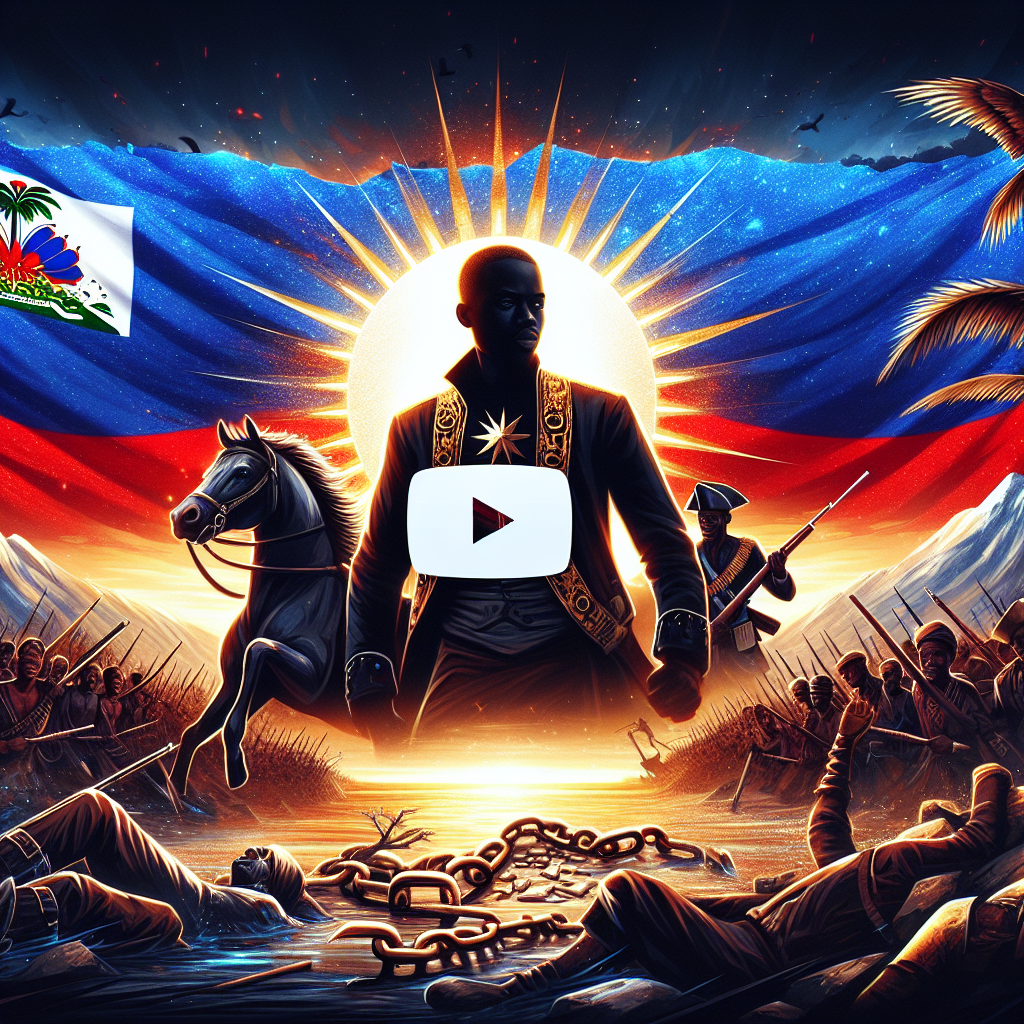
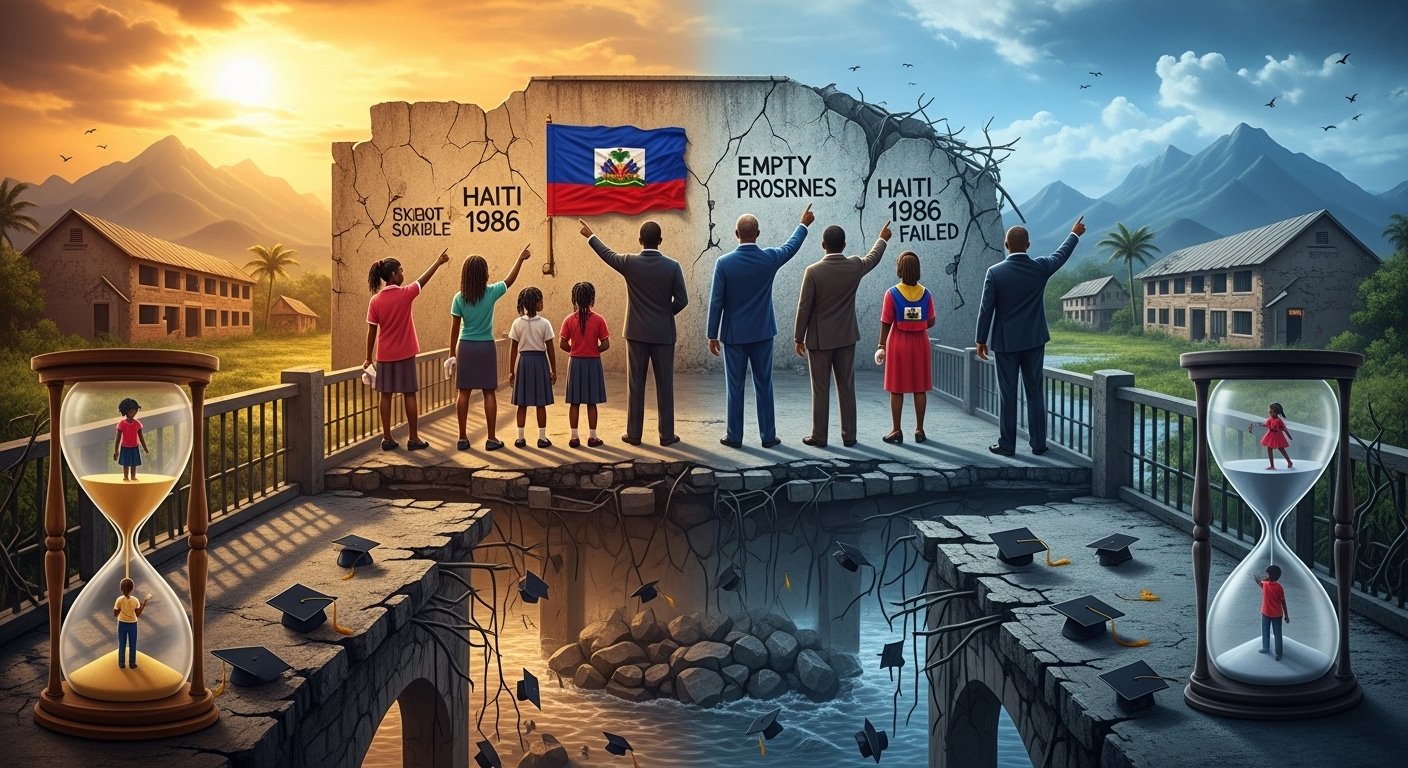
"A Generation Lost" reveals how Haiti's post-1986 leaders betrayed the nation's young people.
The Haitian government has faced numerous challenges since 1986, but one of the most pressing issues is the failure to provide for Haiti’s youth. The country’s young population is facing a future filled with uncertainty and limited opportunities.
Post-1986 leaders have struggled to address the needs of the younger generation, resulting in a lost generation. The lack of investment in education, healthcare, and economic opportunities has had a devastating impact on the country’s development.
When Duvalier fled Haiti in 1986, the nation was poised on the brink of change, with its youth eagerly anticipating a brighter tomorrow. The end of the Duvalier dynasty was a significant moment, marking the potential beginning of a new era for Haiti.
The Duvalier regime, which had lasted for nearly three decades, finally came to an end in 1986. Jean-Claude Duvalier’s departure was met with widespread jubilation, as Haitians saw it as an opportunity to transition towards democracy.
The post-Duvalier period was characterized by an initial surge in hope for democratic reform. Haitians, particularly the youth, were optimistic about the prospect of free and fair elections, and a government that would address their needs.
The youth of Haiti had high expectations for a better future, with hopes for improved education, employment opportunities, and living conditions. The table below summarizes the key expectations and outcomes:
| Expectations | Initial Outcomes |
|---|---|
| Improved Education | Increased access to schools |
| Employment Opportunities | Initial investments and job creation |
| Better Living Conditions | Promises of infrastructure development |
The early signs were promising, with efforts to establish democratic institutions and processes. However, the journey towards realizing these expectations would prove to be complex and challenging.
Following Duvalier’s ousting in 1986, Haiti plunged into a prolonged period of political instability. The transition from authoritarian rule to democratic governance was fraught with challenges.
The initial years following Duvalier’s departure saw the rise of military juntas, which ruled Haiti with an iron fist. This period was marked by human rights abuses and a lack of democratic processes. The transition to elected presidents began with the election of Jean-Bertrand Aristide in 1990, a significant step towards democracy.
Aristide’s presidency was followed by that of René Préval, another popular leader. Their terms were marked by periods of hope for democratic reform, but ultimately ended in disappointment due to political instability and corruption. The cycle of hope and disappointment continued as subsequent leaders faced similar challenges.
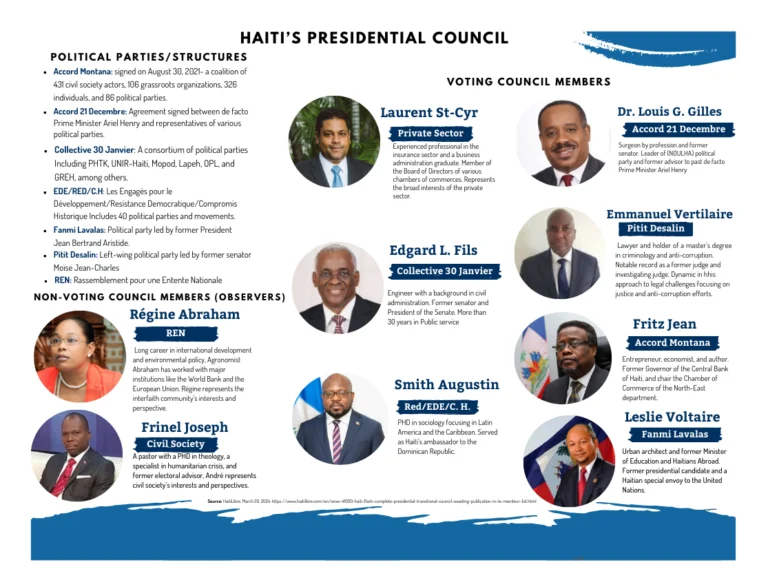
The presidency of Jovenel Moïse ended in his assassination in 2021, plunging Haiti into a severe leadership crisis. The subsequent leadership of Ariel Henry has been marred by controversy and challenges to his legitimacy. These recent crises underscore the ongoing political turmoil in Haiti.
The political instability has had far-reaching consequences for the nation, affecting its development and the well-being of its citizens.
Haiti’s journey towards democratic consolidation has been hindered by persistent constitutional crises and democratic erosion.
The democratic institutions in Haiti have been consistently undermined since the fall of the Duvalier regime. Political instability has been a hallmark, with various governments failing to strengthen the rule of law and ensure free and fair elections.
The postponement of elections and extension of presidential terms have been common practices, contributing to democratic backsliding. This has led to a lack of representation for the Haitian people, particularly the youth.
Youth disenfranchisement is a significant consequence of Haiti’s constitutional crises. With elections postponed and terms extended, young Haitians are left without a voice in the political process.
| Year | Election Status | Impact on Youth |
|---|---|---|
| 2015 | Postponed | Increased disenfranchisement |
| 2020 | Cancelled | Further marginalization |
The table illustrates the correlation between election postponements and the impact on youth disenfranchisement in Haiti.
In conclusion, Haiti’s constitutional crises and democratic backsliding have severely impacted the youth, leaving them disenfranchised and without a political voice.
The collapse of Haiti’s education system under post-Duvalier regimes has been a catastrophic failure, with far-reaching consequences for the nation’s youth. Since the fall of Duvalier in 1986, successive governments have struggled to maintain and improve the public education infrastructure.
Public schools in Haiti have faced significant challenges, including inadequate facilities, insufficient teaching materials, and a lack of qualified educators. Many schools operate without proper classrooms, sanitation facilities, or libraries, creating an environment that is not conducive to learning.
The decline of public education has led to the rise of private schooling, which has exacerbated educational inequality. Private schools are often unaffordable for the majority of Haitians, leaving disadvantaged children without access to quality education. This has perpetuated a cycle of poverty and limited opportunities for social mobility.
The consequences of a failing education system are evident in Haiti’s literacy rates and educational outcomes. According to recent statistics, Haiti has one of the lowest literacy rates in the Caribbean, with significant disparities between urban and rural areas.
| Indicator | National Average | Urban Areas | Rural Areas |
|---|---|---|---|
| Literacy Rate | 61% | 75% | 45% |
| Primary School Enrollment | 88% | 92% | 80% |
| Secondary School Enrollment | 20% | 30% | 10% |
The data highlights the stark contrasts in educational access and outcomes across different regions of Haiti, underscoring the need for comprehensive reforms to revitalize the education system.
Young Haitians have been disproportionately affected by the economic policies adopted by successive governments since the fall of Duvalier. The consequences of these policies have been far-reaching, impacting the youth in various aspects of their lives.
The implementation of Structural Adjustment Programs (SAPs) in the late 20th century had significant implications for Haiti’s economy. These programs, often mandated by international financial institutions, aimed to liberalize trade and reduce government spending. However, they led to a decline in public services and an increase in unemployment among young Haitians.
One of the most pressing issues facing young Haitians today is youth unemployment. The lack of job opportunities has forced many to seek alternative means of survival, often in the informal economy.
For many young Haitians, the informal economy is the only viable option for earning a living. This sector includes street vendors, small-scale farmers, and others who operate outside the formal economic system. While it provides a means of survival, it also lacks the protections and benefits associated with formal employment.
| Economic Indicator | Pre-1986 | Post-1986 |
|---|---|---|
| Youth Unemployment Rate | Low | High |
| Informal Economy Participation | Limited | Widespread |
| Government Support for Youth | Moderate | Limited |
The table above illustrates the shift in economic indicators for young Haitians before and after 1986. It highlights the rise in youth unemployment and the growing reliance on the informal economy.
In the aftermath of Duvalier’s departure, Haiti’s leaders failed to harness the potential of the country’s youthful demographic, leading to a generation lost. Haiti, with its significant youth population, had the potential to leverage a demographic dividend that could have driven economic growth and development.
Haiti’s youth population, those under the age of 25, constitutes a significant portion of the country’s demographic. However, instead of being a driving force for economic growth, they have been marginalized by successive governments. The lack of investment in education, healthcare, and job creation has meant that this demographic opportunity has been squandered.
The failure to provide opportunities for young Haitians has led to a significant brain drain and youth exodus. Many young Haitians have been forced to seek opportunities abroad, leading to a loss of talent and skills that could have contributed to the country’s development. This exodus not only deprives Haiti of its future leaders but also puts a strain on the families and communities left behind.
The lack of opportunities and resources has perpetuated intergenerational poverty cycles. Young people growing up in poverty face significant barriers to education and employment, making it difficult to break the cycle of poverty. This has long-term consequences for the individual, their family, and the broader society, perpetuating inequality and social injustice.
The consequences of these failures are stark, with Haiti facing significant development challenges. Addressing these issues will require a concerted effort from government, civil society, and the international community to invest in Haiti’s youth and unlock the country’s potential.
Since 1986, Haiti has struggled with corruption and the misappropriation of public resources, hindering the nation’s progress and affecting its youth disproportionately. The mismanagement of funds has been a recurring issue, with significant consequences for the country’s development.
The PetroCaribe scandal is a prime example of corruption in Haiti. The program, initiated in 2006, was designed to provide Haiti with subsidized oil from Venezuela. However, it became embroiled in a massive corruption scandal involving high-ranking government officials. The embezzlement of PetroCaribe funds, estimated to be around $3.8 billion, has been a major point of contention. Youth protests erupted, demanding accountability and transparency in the management of these funds.
Funds allocated for education and youth development have also been subject to embezzlement. This has resulted in underfunded schools and a lack of opportunities for young Haitians. The diversion of these funds has directly impacted the quality of education and the prospects for Haiti’s youth.
A culture of impunity has allowed corruption to flourish in Haiti. Those responsible for the embezzlement and mismanagement of public funds have often gone unpunished. As a quote from a recent report states, “In Haiti, corruption is not only a crime, it’s a way of life for those in power.”
“Corruption is a major obstacle to Haiti’s development. It diverts resources away from essential public services and infrastructure, undermining trust in government and institutions.” – A spokesperson for a local anti-corruption organization.
The persistence of corruption and mismanagement of public resources in Haiti underscores the need for systemic change. Ensuring transparency and accountability in governance is crucial for the country’s future.
As Haiti’s government retreated, a power vacuum emerged, paving the way for gang culture to flourish. This phenomenon has been particularly pronounced in urban areas, where the absence of effective governance has allowed armed groups to establish control.
The relationship between political leaders and armed groups in Haiti has been characterized by political patronage, where politicians have supported and funded gangs in exchange for loyalty and control over territories. This has enabled gangs to expand their influence and consolidate power.
Gangs have aggressively recruited young Haitians, often from impoverished backgrounds, offering them financial incentives, protection, and a sense of belonging. This youth recruitment has contributed to the perpetuation of gang culture, as young people become integral to gang operations.
The rise of gang culture has had a devastating impact on schools and communities. Many educational institutions have been forced to close or operate under the threat of violence, while communities live in fear of gang-related violence.
| Impact | Description |
|---|---|
| Education Disruption | Schools closed or operating under threat |
| Community Fear | Residents living in fear of gang violence |
| Youth Exploitation | Young people recruited into gangs |
The impact of foreign intervention on Haiti’s youth is a complex issue that requires careful examination. Foreign intervention has been a recurring theme in Haiti’s history, with various forms of international involvement shaping the country’s development and affecting its young population.
The United Nations has been involved in Haiti through several peacekeeping missions, starting with the MINUSTAH in 2004, which was later replaced by BINUH in 2019. While the primary goal of these missions was to stabilize the country, their impact on youth has been multifaceted.
The presence of international forces has influenced the lives of young Haitians, sometimes creating dependency and other times providing opportunities for collaboration and development.
US foreign policy has significantly influenced Haitian migration patterns, particularly among the youth. Policies aimed at controlling migration flows have had mixed results, often leading to:
Understanding the push factors driving Haitian youth to migrate is crucial for developing effective policies that address the root causes of migration.
Haiti’s reliance on international aid has created a complex dynamic, particularly affecting its youth. While aid provides immediate relief, it can also:
Young Haitians are caught in this cycle, with their futures often dependent on the decisions made by international donors and the Haitian government.
To break this cycle, it’s essential to invest in Haitian youth through education, job creation, and social programs that empower them to become agents of change.
The impact of natural disasters on Haiti’s youth has been devastating, compounding existing social and economic issues. Haiti is prone to various natural disasters, including earthquakes and hurricanes, which have had a disproportionate impact on its young population.
The 2010 earthquake was one of the most significant natural disasters to affect Haiti, resulting in widespread destruction and loss of life. The disaster had a particularly severe impact on children and young people, with many losing family members, homes, and access to education.
The earthquake exposed the vulnerability of Haiti’s infrastructure and the inadequacy of its disaster response mechanisms. The aftermath saw a massive displacement of people, with many living in precarious conditions in camps for internally displaced persons (IDPs).
Years after the earthquake, Haiti faced another major disaster with the arrival of Hurricane Matthew in 2016. The hurricane caused widespread damage, particularly in the south of the country, further exacerbating the challenges faced by the youth.
Climate change has increased the frequency and intensity of such natural disasters, posing a significant threat to Haiti’s development. The youth are among the most affected, as they face not only immediate dangers but also long-term consequences on their livelihoods and future prospects.
The response of the Haitian government to these disasters has been criticized for being inadequate and slow. The lack of effective disaster preparedness and response plans has left the youth particularly vulnerable.
“The government’s failure to protect its most vulnerable populations is a stark reminder of the need for systemic change.”
The need for improved disaster response mechanisms and support for the youth is critical to mitigating the impact of future natural disasters.
Amidst the socio-political challenges, Haiti’s youth have demonstrated an unwavering capacity for resistance and resilience, shaping the nation’s future. Despite facing numerous obstacles, young Haitians have found ways to push back against the status quo and advocate for change.
Student movements have played a crucial role in Haiti’s political landscape, with young people actively participating in protests and demonstrations. These movements have often been at the forefront of demanding political reform and accountability.
Haitian youth have also used arts and culture as a form of resistance, expressing their frustrations and hopes through music, dance, and visual arts. This cultural expression has served as a powerful tool for social commentary and mobilization.
Furthermore, grassroots organizations led by young Haitians have emerged as vital forces for community development and social change. These organizations focus on issues such as education, healthcare, and economic empowerment, providing critical support to their communities.
The resilience and resistance of Haiti’s youth offer a glimmer of hope for the nation’s future. By continuing to support and empower young Haitians, there is potential for meaningful change and progress.
Haiti’s youth have been failed by successive leaders since the fall of Duvalier in 1986. The collapse of the education system, economic mismanagement, and rampant corruption have left a generation without opportunities. However, reclaiming Haiti’s future is possible through pathways to change that prioritize the needs and potential of its young people.
Rebuilding the education system and creating economic opportunities are crucial steps. This involves not only revamping public schools but also addressing the systemic issues that have led to widespread inequality. By investing in youth development programs and promoting good governance, Haiti can unlock the potential of its young population.
The journey to reclaiming Haiti’s future requires a concerted effort from leaders, civil society, and the international community. By working together, Haiti can create pathways to change that will drive progress and prosperity for all its citizens, particularly its youth.
After the fall of Duvalier, Haiti’s youth expected a better future with democratic reforms, improved living conditions, and access to quality education and employment opportunities.
Post-1986 leaders have failed to address the needs of Haiti’s youth, perpetuating a cycle of poverty, inequality, and lack of access to education and employment opportunities, ultimately abandoning the nation’s youth.
Structural adjustment programs have led to a crisis of youth unemployment, forcing many young Haitians into the informal economy as their only viable option, further exacerbating poverty and inequality.
The education system has collapsed due to declining public school infrastructure, the privatization of education, and a lack of investment in education, resulting in poor literacy rates and educational outcomes.
Corruption, including the embezzlement of funds meant for education and youth development, has contributed to the youth crisis by depriving young Haitians of resources and opportunities, perpetuating a culture of impunity.
Natural disasters, such as the 2010 earthquake and Hurricane Matthew, have compounded the vulnerability of Haiti’s youth, causing displacement, loss of livelihoods, and further strain on already limited resources.
Haitian youth have employed various forms of resistance, including student movements, political activism, arts, music, and cultural expression, as well as grassroots organizations led by young Haitians, to challenge the status quo and demand change.
Foreign intervention, including UN peacekeeping missions and US foreign policy, has had a complex impact on Haiti’s youth, sometimes providing aid but also contributing to dependency and influencing migration patterns.
The PetroCaribe scandal is significant because it highlights the corruption and mismanagement of public resources, which has deprived young Haitians of much-needed funds for education and development, fueling protests and demands for accountability.
Youth unemployment in Haiti is a severe crisis, with many young people unable to find formal employment, forcing them into the informal economy and perpetuating a cycle of poverty.
Grassroots organizations led by young Haitians have played a crucial role in addressing the youth crisis by providing support, advocating for change, and empowering young people to take action and demand their rights.