Physical Address
304 North Cardinal St.
Dorchester Center, MA 02124
Physical Address
304 North Cardinal St.
Dorchester Center, MA 02124
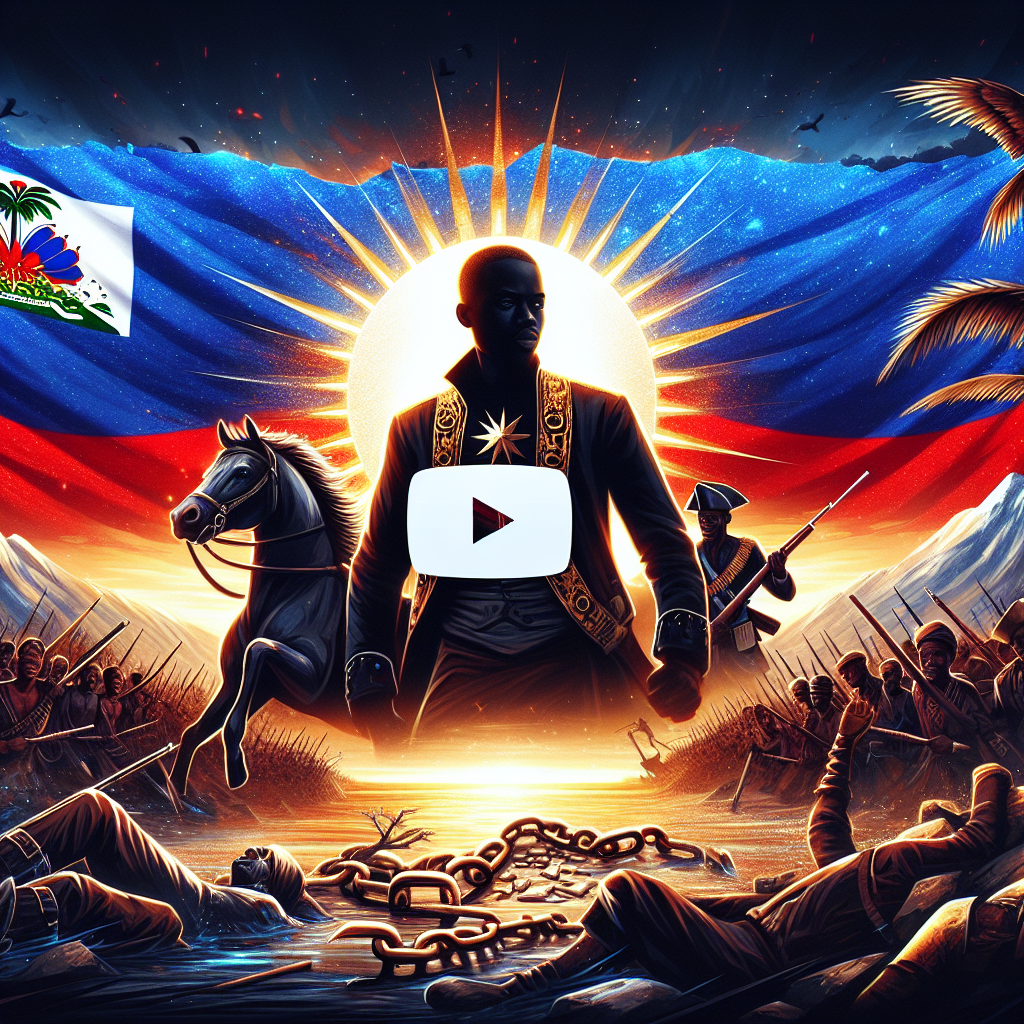

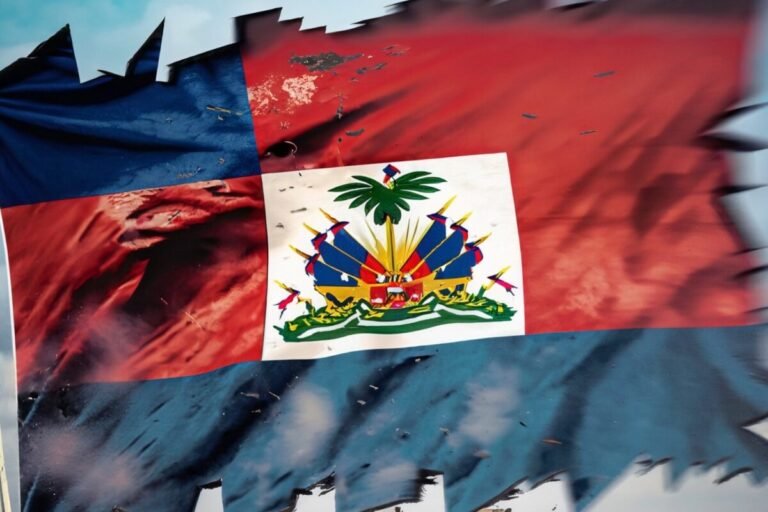
Haiti's moment to unite: How the 2026 World Cup is a divine sign for the nation.
The Haitian soccer legacy is on the cusp of a historic moment with the 2026 World Cup approaching. For Haiti, this event is more than just a tournament; it’s an opportunity for the nation to come together.
The excitement around the Haiti World Cup campaign is palpable, with the nation rallying behind its team. This unity is crucial as it brings together people from all walks of life, fostering a sense of national pride and identity.
As Haiti prepares for its 2026 World Cup journey, the nation is filled with anticipation and hope. The Haitian soccer legacy is being celebrated, and the potential for the team to make a significant impact on the global stage is inspiring.
Haiti’s passion for soccer is deeply rooted in its culture, reflecting a history that spans decades. The sport has been a significant part of Haitian life, bringing together communities and fostering national pride.
Soccer in Haiti is not just a game; it’s a cultural phenomenon. It was introduced during the U.S. occupation in the early 20th century and quickly gained popularity. Today, it’s a staple in Haitian communities, with makeshift fields serving as gathering places for locals.
Haitian soccer has achieved several milestones, marking its growth on the international stage.
The 1970s were pivotal for Haitian soccer, with the national team qualifying for the World Cup in 1974, a feat that remains one of the country’s most celebrated sporting achievements.
Despite facing challenges, Haitian soccer has continued to thrive, with recent successes in regional competitions.
| Year | Milestone |
|---|---|
| 1974 | Qualified for the FIFA World Cup |
| 2019 | Reached the CONCACAF Gold Cup semifinals |
The 2026 North American World Cup is set to be a landmark event for Caribbean nations, offering a unique opportunity for countries like Haiti to shine on the global stage. This tournament is particularly significant as it marks a new era in the history of the World Cup, with an expanded format that includes more teams than ever before.
The 2026 North American World Cup will feature a historic expansion to 48 teams, marking a significant departure from the traditional 32-team format. This change is expected to increase competition and provide more opportunities for nations from the Caribbean and other regions to participate.
Key features of the new format include:
This new format is anticipated to bring a fresh dynamic to the tournament, with more matches and a greater diversity of competing teams.
Haiti’s journey to the 2026 World Cup is already underway, with the team competing in the CONCACAF qualification rounds. As of the latest updates, Haiti is showing promising form, having secured crucial victories against other regional competitors.
| Team | Matches Played | Points |
|---|---|---|
| Haiti | 5 | 10 |
| Jamaica | 5 | 8 |
| Trinidad and Tobago | 5 | 7 |
As reflected in the table, Haiti is currently holding a competitive position, but the road to qualification will undoubtedly be challenging. The team’s success will depend on continued strong performances and strategic planning.
Haiti’s participation in the 2026 World Cup is seen by many as a sign of unity and spiritual awakening. The event is not just about soccer; it’s about the nation’s ability to come together, transcending cultural and religious differences.
In Haiti, Vodou and Christianity coexist, influencing the nation’s cultural identity. The timing of the 2026 World Cup is seen as spiritually significant, with many believing it to be a divine sign for national unity. This blend of religious beliefs is reflected in the nation’s resilience and determination.
The spiritual significance of the 2026 World Cup can be understood through the lens of these religious beliefs. For instance, the concept of unity and collective effort is deeply rooted in both Vodou and Christian teachings.
Soccer is more than just a sport in Haiti; it’s a common language that unites the nation. The 2026 World Cup represents an opportunity for Haiti to showcase its unity and strength on a global stage.
| Aspect | Description | Impact |
|---|---|---|
| Cultural Unity | Soccer brings together diverse cultural groups | Promotes national identity |
| Spiritual Significance | The 2026 World Cup is seen as a divine sign | Enhances national pride and unity |
| Global Representation | Haiti’s participation on a global stage | Boosts international recognition and support |
The 2026 World Cup is a moment for Haiti to unite, showcasing the nation’s strength and resilience. As the nation comes together to support its team, it reinforces the idea that soccer is a powerful unifying force.
Haiti stands at a critical juncture, facing numerous challenges that impact its stability and growth. The country’s current landscape is marked by significant obstacles that need to be addressed for it to move forward.
Haiti has been experiencing political instability for years, which has led to a rise in security concerns. The lack of a stable government has resulted in a power vacuum, making it difficult to maintain law and order.
The security situation is further complicated by gang violence, which has become a significant issue in urban areas, particularly in the capital, Port-au-Prince.
The economic hardships in Haiti have been exacerbated by a series of natural disasters, including the devastating 2010 earthquake and recent hurricanes.
The 2010 earthquake had a catastrophic impact on Haiti, causing widespread destruction and loss of life. The effects of this disaster are still felt today, with many communities yet to fully recover.
In recent years, Haiti has been hit by several hurricanes, which have further strained the country’s resources. These natural disasters have not only caused physical damage but also had a significant impact on the economy.
| Year | Event | Impact |
|---|---|---|
| 2010 | Earthquake | Widespread destruction, significant loss of life |
| 2016 | Hurricane Matthew | Crop destruction, infrastructure damage |
| 2020 | Hurricane Laura | Further infrastructure damage, displacement |

The power of soccer to unite people has been demonstrated in various global contexts, serving as a healing force in times of conflict and division. This phenomenon is not limited to one region or culture, as evidenced by numerous examples from around the world where sports have played a crucial role in fostering unity and reconciliation.
One remarkable example is the Ivory Coast during the 2006 World Cup. The country was embroiled in a civil war, but the national soccer team’s qualification for the World Cup brought about a temporary ceasefire. This brief pause in hostilities allowed for a moment of national unity, as citizens put aside their differences to support their team. The impact was significant, demonstrating soccer’s potential to transcend even the deepest of divisions.
Another notable instance is post-apartheid South Africa during the 1995 Rugby World Cup. Although rugby was traditionally associated with the white population, the South African national team’s victory in the tournament became a pivotal moment for the newly democratic country. It symbolized a new era of unity and helped to bridge the racial divide, showcasing the power of sports to heal historical wounds.
These examples illustrate soccer’s capacity to act as a healing force, promoting unity and providing a common ground for people from diverse backgrounds. As Haiti prepares for the 2026 World Cup, these global lessons offer valuable insights into the potential for soccer to bring the nation together.
With the 2026 World Cup on the horizon, Haitian communities abroad are poised to become a significant force in supporting the national team. The Haitian diaspora, spread across cities like Miami, New York, and Montreal, holds a unique position in rallying international support.
Haitian communities in these cities have a rich cultural heritage and a strong sense of national pride. For instance, Miami’s Little Haiti is known for its vibrant cultural events, while New York’s Flatbush Avenue is home to a large Haitian population. Montreal, with its significant Haitian community, has been instrumental in organizing support for the national team.
These communities can leverage their cultural events, social media, and local organizations to mobilize support for the national team. Their collective efforts can significantly impact the team’s morale and visibility on the international stage.
Many athletes of Haitian descent, born or raised abroad, are choosing to represent Haiti on the international stage. These diaspora athletes bring a unique blend of cultural exposure and soccer talent, enriching the national team.
“Playing for Haiti is not just about representing a country; it’s about honoring a heritage and inspiring a generation.”
The return of these athletes to represent Haiti not only strengthens the team but also serves as a powerful symbol of national unity and pride.
| City | Estimated Haitian Population | Notable Events |
|---|---|---|
| Miami | 100,000+ | Little Haiti Cultural Festival |
| New York | 200,000+ | Haitian Day Parade |
| Montreal | 150,000+ | Montreal Haitian Festival |
The 2026 World Cup presents a unique opportunity for Haiti to boost its economic prospects. Participating in this prestigious event can bring numerous benefits beyond the soccer field, including increased international visibility, tourism, and potential investments.
The World Cup attracts millions of viewers worldwide, providing Haiti with a platform to showcase its culture, landscapes, and hospitality. As the national team competes on the global stage, Haiti can expect an increase in tourism potential. The international media spotlight will highlight the country’s beauty and resilience, attracting visitors and potentially boosting the local economy.
Participating in the World Cup can also attract corporate sponsorships and investments. As Haiti’s national team gains international recognition, businesses may be more inclined to invest in the country’s sports infrastructure and related sectors. This could lead to the development of new facilities, creating jobs and stimulating local economies. Furthermore, improved infrastructure can have long-term benefits for the country’s overall development.
In conclusion, Haiti’s participation in the 2026 World Cup can have far-reaching economic benefits, from increased tourism to corporate investments. By leveraging this opportunity, Haiti can take significant steps towards economic growth and development.
As Haiti looks forward to the 2026 World Cup, the nation is rallying behind its soccer heroes. These players are not just athletes; they are beacons of hope and national pride.
Haitian soccer talent is making waves in European leagues, with players like Dayot Upamecano and Théo Hernandez showcasing their skills. These rising stars are not only representing Haiti on the international stage but also inspiring a new generation of young Haitian players.
Haiti’s homegrown talent is equally impressive, with players overcoming significant challenges to succeed. Their stories are a testament to the resilience and determination of Haitian athletes.
Many Haitian players have faced personal adversity, from economic hardship to natural disasters. For example, some players have used soccer as a way to cope with the loss of family members or to escape poverty. Their journeys are a powerful reminder of the impact sports can have on individuals and communities.
These soccer heroes are not just role models on the field; they are also making a significant impact off the field. They are involved in various community initiatives, from building soccer facilities to supporting local charities. Their influence extends far beyond their playing careers, inspiring young Haitians to pursue their dreams.

The stories of these Haitian soccer heroes serve as a powerful reminder of the unifying force of sports. As the nation prepares for the 2026 World Cup, the hopes and dreams of Haiti are riding on the shoulders of these talented individuals.
The 2026 World Cup represents a pivotal moment for Haitian soccer, offering a chance to forge a stronger, more united team. As Haiti embarks on this journey, several key areas need to be addressed to ensure the team’s success.
To build a competitive team, Haiti must focus on technical development and innovative coaching methods. This involves investing in advanced training facilities and bringing in experienced coaches who can develop the skills of Haitian players. As noted by a soccer expert, “The right coaching can make all the difference in a team’s performance.”
“Coaching is not just about tactics; it’s about inspiring players to reach their full potential.”
A robust national support system is crucial for the well-being and success of Haitian athletes. This includes providing access to top-notch medical care, sports psychology services, and financial support for players and their families. By creating a nurturing environment, Haiti can foster a team that is not only competitive on the field but also supported off the field.
By focusing on these critical areas, Haiti can build a team that is united, competitive, and ready to make a significant impact at the 2026 World Cup.
As Haiti gears up for the 2026 World Cup, the potential for soccer to unite and transform the nation becomes increasingly evident. The impact of sports success can extend far beyond the soccer fields, influencing various aspects of Haitian society.
Sports success can be a powerful tool for youth development. By investing in soccer programs, Haiti can provide young people with opportunities for growth, education, and personal development. These programs can help keep youth engaged in positive activities, reducing the risk of involvement in crime and violence.
Educational opportunities can also arise from sports success, as schools and organizations may be more inclined to invest in programs that combine education with athletic development.
To maximize the impact of sports success, it’s crucial to build cross-sector partnerships. This involves collaboration between government agencies, private sector organizations, and non-profit entities.
Effective government engagement is critical for creating a supportive environment for sports development. This can include policies that promote sports infrastructure, funding for youth programs, and initiatives to encourage community engagement.
International aid can play a significant role in supporting Haiti’s sports development initiatives. Coordinating with international partners can help ensure that aid is used effectively and efficiently, supporting long-term development goals.
| Partnership Type | Description | Potential Impact |
|---|---|---|
| Government-NGO Partnerships | Collaboration between government agencies and non-governmental organizations to develop youth sports programs. | Increased access to sports facilities and training for underprivileged youth. |
| Private Sector Sponsorships | Financial support from private companies for sports events and teams. | Enhanced financial stability for sports programs, enabling more frequent competitions and training. |
| International Sports Organizations | Partnerships with global sports bodies to provide training, resources, and expertise. | Improved coaching standards and access to international competitions. |
The 2026 World Cup presents a divine opportunity for Haiti to unite through sports. As the nation prepares to take the global stage, the potential for soccer to transcend entertainment and become a unifying force is vast.
Haiti’s rich soccer legacy, coupled with the unique format of the 2026 North American World Cup, positions the country for a momentous occasion. The event can bring together a nation currently facing challenges such as political instability, security concerns, and economic hardships.
The Haitian diaspora can rally around the national team, and the international media spotlight can highlight the country’s tourism potential and attract corporate sponsorships. As Haiti’s soccer heroes carry the nation’s hopes, the road to 2026 can be paved with a competitive and united team.
Ultimately, the 2026 World Cup is more than just a sporting event; it’s a chance for Haiti to heal, unite, and showcase its spirit to the world. By embracing this divine opportunity, Haiti can harness the power of sports to drive positive change and create a brighter future.
The 2026 World Cup is a significant event for Haiti as it represents an opportunity for the nation to unite and showcase its soccer talent on a global stage, potentially bringing economic benefits and international recognition.
The Haitian diaspora can support the national team by rallying around them, attending matches, and providing financial support, leveraging their strength in communities like Miami, New York, and Montreal.
Participating in the 2026 World Cup could bring Haiti international media exposure, increased tourism, corporate sponsorships, and infrastructure development, potentially boosting the country’s economy.
Haiti’s soccer heroes include players like those in European leagues and homegrown talent who have overcome personal adversity and are making a positive impact on their communities, serving as role models.
Success in soccer can lead to youth development programs, educational opportunities, and cross-sector partnerships, potentially transforming Haitian society by providing new opportunities and promoting positive change.
Efforts to build a competitive team include technical development, coaching innovations, and creating a national support system for players, aiming to strengthen the team and prepare it for the tournament.
Soccer has deep cultural roots in Haiti, with the sport being a significant part of the country’s identity and a source of national pride, particularly during its golden era in the 1970s.
Haiti is facing challenges such as political instability, security concerns, economic hardships, and the lingering effects of natural disasters like the 2010 earthquake and recent hurricanes, which impact the country’s development.