Physical Address
304 North Cardinal St.
Dorchester Center, MA 02124
Physical Address
304 North Cardinal St.
Dorchester Center, MA 02124
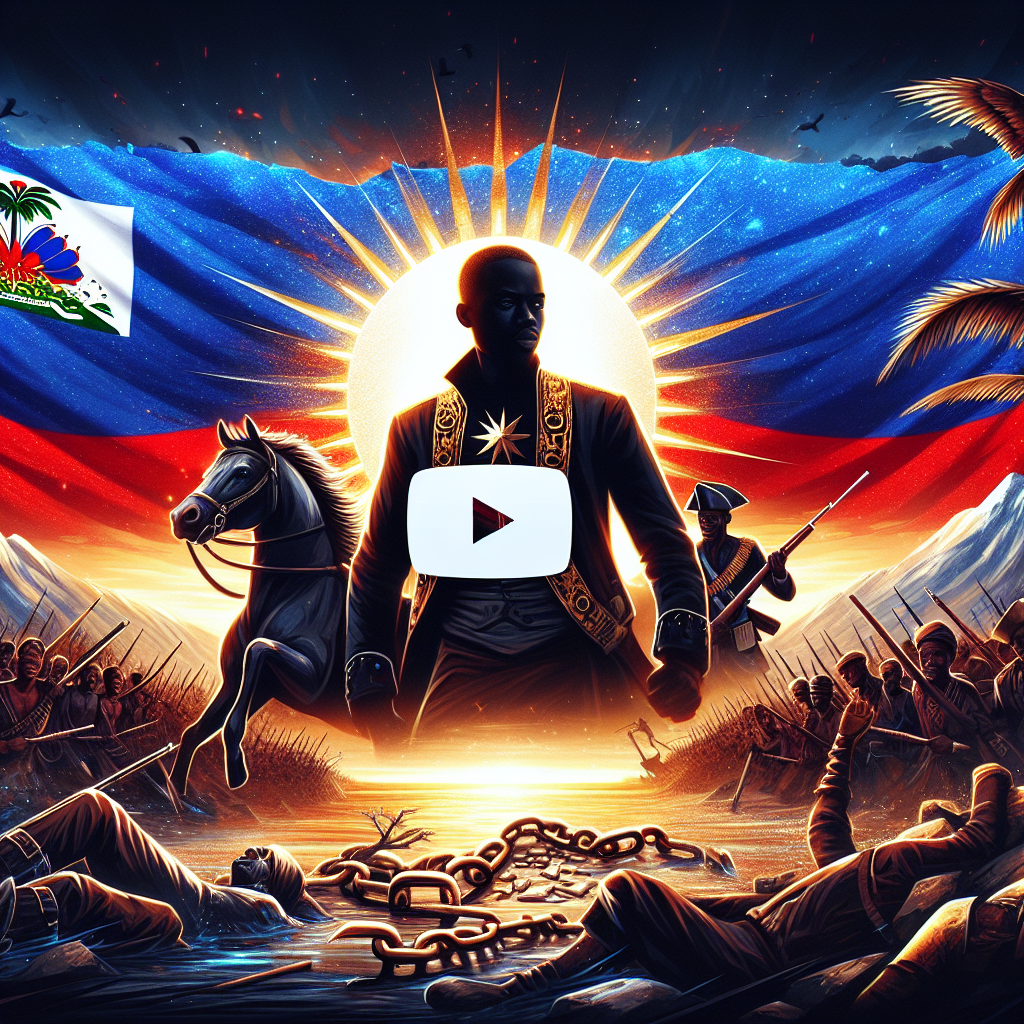
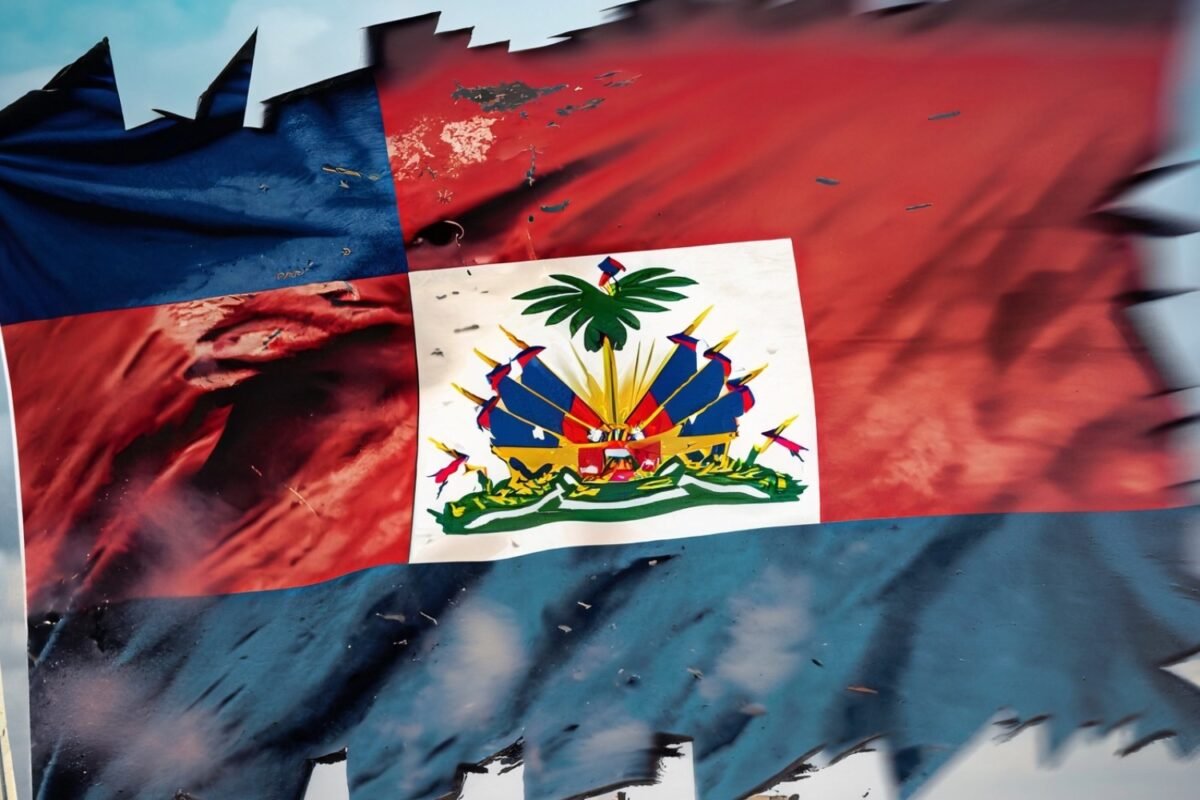
Uncover the reasons behind the systematic exclusion of Haiti's best leaders from positions of power.
Haiti is facing a severe leadership crisis, with its most capable leaders being systematically excluded from positions of power. This phenomenon has deep historical roots and continues to affect the country’s development today.
The political exclusion of Haiti’s best leaders has resulted in a power vacuum, often filled by individuals who may not have the country’s best interests at heart. This has led to a cycle of instability and underdevelopment.
Understanding the factors that contribute to this exclusion is crucial for addressing Haiti’s ongoing challenges. By examining the historical and contemporary contexts, we can gain insight into the complexities of Haiti’s leadership crisis.
The historical context of Haiti provides crucial insights into the country’s ongoing leadership challenges, revealing a pattern of exclusion and militarization. Haiti’s history is marked by significant events that have shaped its political landscape, from the revolution that led to its independence to the various regimes that have ruled the country.
The Haitian Revolution (1791-1804) was a pivotal moment in the country’s history, leading to its independence from France. However, this revolution also created a paradox: while it achieved freedom for Haitians, it also led to isolation from the international community. As Laurent Dubois notes, “The Haitian Revolution was both a culmination of the French Revolution’s ideals and a challenge to the global order of the time.”
“The Haitian Revolution was a beacon of hope for those seeking freedom, but it also set Haiti on a path of isolation and struggle.”
The leadership patterns in Haiti were significantly influenced by its early history, particularly during the transition from Toussaint Louverture to Jean-Jacques Dessalines and later to the Duvalier regime. Toussaint Louverture’s leadership was characterized by his military prowess and strategic thinking. However, the militarization of political power began early in Haiti’s history.
The transition from a revolutionary army to a political force laid the groundwork for the militarization of Haitian politics. Leaders like Dessalines and later François Duvalier used military might to consolidate power, setting a precedent for future leaders.
The rise of strongman politics in Haiti was facilitated by the country’s history of militarization. Leaders such as François Duvalier, who ruled from 1957 to 1971, exemplified this trend, using a combination of military force, political manipulation, and cultural symbolism to maintain control.
As we examine Haiti’s leadership crisis, it becomes clear that understanding the historical roots is essential. The patterns established during the revolutionary period and the early years of independence have had a lasting impact on Haiti’s political landscape.
The legacy of foreign intervention continues to cripple Haiti’s ability to develop effective leadership. For centuries, external forces have shaped Haiti’s political landscape, often to the detriment of its own people.
One of the earliest and most significant forms of foreign intervention was the imposition of the French indemnity.
In 1825, France demanded that Haiti pay an indemnity of 150 million gold francs for the loss of its “property” (enslaved Africans) during the Haitian Revolution. This crippling debt took decades to pay off and diverted resources away from critical infrastructure and social development. The indemnity not only drained Haiti’s finances but also symbolized the ongoing interference by foreign powers in its affairs.
The U.S. occupation of Haiti from 1915 to 1934 had a profound and lasting impact on the country’s political and economic structures. The occupation led to the centralization of power, the creation of a modern military, and the control of Haiti’s finances by the United States. While intended to stabilize Haiti, these measures ultimately contributed to the concentration of power and the suppression of local leadership.
The occupation also had a lasting impact on Haiti’s infrastructure and economy, with many of these changes serving the interests of foreign investors rather than the Haitian people.
Today, foreign influence in Haitian politics continues, albeit in more subtle forms. International organizations and foreign governments often play significant roles in shaping Haiti’s political agenda, sometimes at the expense of local voices. This modern foreign influence can manifest through various channels, including diplomatic pressure, foreign aid, and the activities of international NGOs.
While some argue that foreign intervention is necessary for stability and development, others see it as a continuation of historical patterns of interference that undermine Haitian autonomy and self-determination.
Political participation in Haiti is heavily constrained by economic realities. The country’s economic landscape is characterized by significant disparities in wealth distribution, which in turn affects political engagement and leadership development.
In Haiti, wealth concentration is a major obstacle to political participation. The elite control a disproportionate amount of resources, limiting access to political power for the majority. This concentration of wealth results in a political environment where only those with financial backing can effectively participate.
Poverty is another critical factor that hinders leadership development in Haiti. Limited financial resources restrict access to education and training, essential for developing leadership skills. As a result, many potential leaders are unable to fully engage in the political process.
The lack of access to quality education and leadership training programs is a significant gap in Haiti’s leadership development. Many aspiring leaders are unable to acquire the necessary skills due to financial constraints, limiting their ability to participate effectively in politics.
Haiti also suffers from a significant brain drain, as many of its most talented individuals seek opportunities abroad due to the lack of economic prospects at home. This loss of talent deprives the country of potential leaders who could contribute to its political and economic development.
Haiti’s political landscape is characterized by the systematic exclusion of its most capable leaders. This phenomenon is rooted in a complex web of factors that prevent talented individuals from rising to positions of power.
The political elite in Haiti play a significant role in controlling who can and cannot participate in the political process. They act as gatekeepers, determining which individuals are allowed to run for office and hold positions of power.
This gatekeeping function is often used to maintain the status quo and keep new, potentially disruptive leaders out of power. The elite achieve this through various means, including:
By limiting access to political power, the elite ensure that only those who are deemed acceptable can participate.
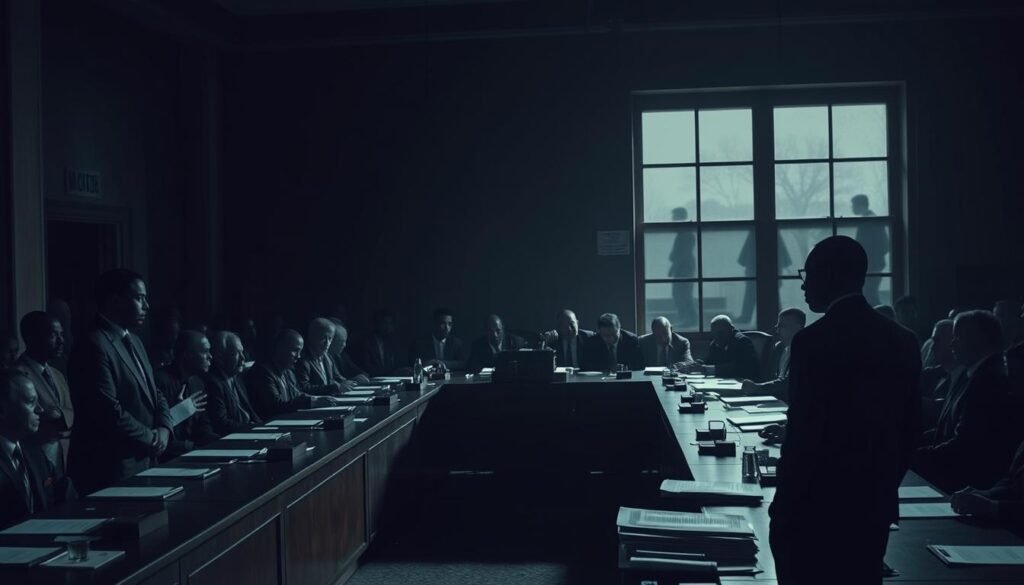
Violence and intimidation are commonly used in Haitian politics to suppress opposition and maintain control. Political actors often employ these tactics to deter potential challengers and maintain their grip on power.
The use of violence can take many forms, including:
These actions create a climate of fear that discourages many capable leaders from entering the political arena.
Grassroots leaders, who often have strong community support, are particularly vulnerable to suppression. The political elite view these leaders as threats because they can mobilize significant support among the population.
To counter this, the elite often work to discredit or marginalize grassroots leaders, preventing them from gaining national prominence.
The result is a political landscape that is dominated by a narrow elite, with little opportunity for fresh talent to emerge.
The capital city, Port-au-Prince, has become synonymous with Haitian politics, earning the country the nickname “The Republic of Port-au-Prince.” This phenomenon is characterized by the centralization of power and resources in the capital, leaving rural areas marginalized and underrepresented.
Haiti’s political landscape is marked by significant geographic disparities. The concentration of political power in Port-au-Prince means that rural areas have limited representation in the national government.
The urban bias in Haitian politics not only affects representation but also undermines the development of national leadership. By favouring the capital city, the political system overlooks the needs and talents of rural populations.
Rural areas, or “provinces,” are often neglected in the political discourse. This neglect results in a lack of investment in local leadership development and infrastructure.
The consequences include:
A significant language barrier exists between Creole, the language spoken by the majority of Haitians, and French, the language often used in official political contexts. This divide can exclude Creole speakers from fully participating in political processes.
The implications are:
Addressing these challenges is crucial for developing a more inclusive political landscape in Haiti.
The influence of international actors on Haiti’s political scene is multifaceted, involving diplomatic, economic, and social dimensions. These actors play a significant role in shaping the country’s leadership, often through a combination of support and conditionality.
Foreign embassies in Haiti wield considerable influence over the country’s political processes. They often provide financial and technical support to political actors, which can sway electoral outcomes. Moreover, diplomatic recognition by foreign governments can legitimize or delegitimize Haitian leaders, affecting their ability to govern effectively.
Non-Governmental Organizations (NGOs) have become key players in Haiti’s development landscape. While they provide essential services, their presence can also create a parallel governance structure that undermines the state’s authority. This can lead to a situation where NGOs, rather than government institutions, drive development agendas, potentially sidelining Haitian leaders.

International Financial Institutions (IFIs) such as the International Monetary Fund (IMF) and the World Bank provide critical financial support to Haiti. However, this support often comes with conditions that can influence policy decisions and political outcomes. These conditions can limit the government’s ability to implement its own agenda, thereby affecting the selection and effectiveness of leaders.
| International Actor | Influence on Haitian Leadership | Potential Impact |
|---|---|---|
| Foreign Embassies | Financial and technical support to political actors | Sways electoral outcomes and the legitimacy of leaders |
| NGOs | Parallel governance structure | Undermines state authority and sidelines Haitian leaders |
| International Financial Institutions | Conditional financial support | Limits government policy decisions and affects leader effectiveness |
Haiti’s democratic journey is complex, with numerous instances of electoral manipulation that have hindered the country’s democratic progress. The electoral process, a cornerstone of democracy, has been marred by controversy, undermining the legitimacy of elected leaders and the trust of the Haitian people.
Haiti has a long history of contested elections, often resulting from allegations of fraud and manipulation. These disputes have led to political instability, violence, and a lack of confidence in the electoral process. For instance, the 2010 presidential election was marred by allegations of fraud, leading to widespread protests and international intervention.
The Provisional Electoral Council (CEP) is responsible for organizing elections in Haiti. However, the CEP has often been criticized for being politicized, leading to questions about its impartiality. This perceived bias can result in electoral outcomes that are contested by various political stakeholders, further complicating Haiti’s democratic landscape.
Electoral violence is another significant challenge facing Haiti’s democratic processes. The threat or use of violence during elections can discourage potential candidates, particularly those from emerging or opposition groups, from participating. This not only limits political diversity but also perpetuates a cycle of fear and exclusion, hindering the development of new leadership.
The combination of electoral manipulation, a politicized electoral council, and electoral violence creates a challenging environment for democratic growth in Haiti. Addressing these issues is crucial for fostering a more inclusive and representative political process.
The systematic sidelining of effective leaders is a recurring theme in Haitian politics. This phenomenon is not merely a coincidence but rather a symptom of deeper structural issues that prevent capable individuals from rising to power.
Jean-Bertrand Aristide, a charismatic leader, was elected president in 1990 with widespread popular support. However, his tenure was marked by controversy and opposition from the elite, leading to his eventual exile. Aristide’s experience highlights the challenges faced by leaders who challenge the status quo. Despite his efforts to implement reforms, he was repeatedly ousted, illustrating the difficulties in sustaining political power in Haiti.
“Aristide’s story is a testament to the turbulent nature of Haitian politics, where even the most popular leaders can be marginalized.”
Maryse Narcisse, a prominent female politician, faced significant gender barriers during her presidential campaigns. Despite her qualifications and dedication, she encountered resistance from the male-dominated political establishment. Narcisse’s struggles underscore the additional hurdles female leaders face in Haitian politics. Her perseverance, however, has inspired many and highlighted the need for greater inclusivity.
| Leader | Challenges Faced | Impact |
|---|---|---|
| Jean-Bertrand Aristide | Exile, opposition from the elite | Highlighted instability in Haitian politics |
| Maryse Narcisse | Gender barriers, political resistance | Inspired female participation in politics |
| Moïse Jean-Charles | Regional marginalization, political exclusion | Advocated for regional representation |
Moïse Jean-Charles, a northern leader, has been a vocal advocate for regional representation. Despite his efforts, he has faced marginalization and exclusion from the political process. Jean-Charles’s experience illustrates the geographic disparities in Haitian politics, where leaders from outside the capital face significant barriers to national influence.
These case studies demonstrate the complex challenges faced by Haitian leaders. By understanding these obstacles, we can begin to formulate strategies to promote more inclusive and equitable political participation.
The exclusion of diaspora talent from Haitian politics not only limits the country’s leadership pool but also hinders its development. Haiti’s diaspora community is a vast reservoir of skills, knowledge, and experience that remains largely untapped due to various barriers.
Constitutional and Legal Barriers often prevent diaspora Haitians from fully participating in the political process. For instance, residency requirements and citizenship laws can complicate their ability to vote or run for office.
The Haitian constitution imposes certain restrictions that effectively exclude diaspora Haitians from political participation. For example, the requirement to have resided in the country for a certain period before running for office can disenfranchise those living abroad.
Haiti’s global citizens bring diverse skills and perspectives that could enrich the country’s political landscape. Their inclusion could lead to more innovative and inclusive governance.
| Potential Contributions | Current Barriers | Proposed Solutions |
|---|---|---|
| Diverse Skill Sets | Residency Requirements | Relaxation of Residency Rules |
| Global Perspectives | Citizenship Laws | Dual Citizenship Options |
| Innovative Thinking | Electoral Processes | Remote Voting Mechanisms |
By addressing these barriers and leveraging the talents of its diaspora, Haiti can strengthen its leadership and foster more inclusive political processes.
Haiti’s development is contingent upon fostering a more inclusive and representative political system. The exclusion of capable leaders from power has hindered the country’s progress, perpetuating a cycle of instability and underdevelopment.
To break this cycle, it is essential to address the historical and systemic barriers that have prevented Haiti’s best leaders from emerging. This includes reducing the influence of foreign intervention, promoting economic opportunities for all citizens, and ensuring that the political system is representative of Haiti’s diverse population.
Inclusive leadership is critical to Haiti’s future, as it allows for the participation of diverse voices and perspectives. By creating a more equitable political system, Haiti can unlock the potential of its citizens, including those in the diaspora, to contribute to the country’s development.
Fostering inclusive leadership will require a concerted effort from both Haitian citizens and international actors. By working together, Haiti can build a brighter future, one that is characterized by peace, stability, and prosperity for all its citizens.
The main factors contributing to Haiti’s leadership crisis include the historical legacy of foreign intervention, economic barriers to political participation, the gatekeeping function of the political elite, and electoral manipulation.
Foreign intervention has significantly impacted Haiti’s leadership, starting with the French indemnity imposed after independence, the U.S. occupation from 1915 to 1934, and ongoing foreign influence in Haitian politics, which have all contributed to the country’s leadership crisis.
Economic factors, including the concentration of wealth and poverty, limit political access and restrict leadership development, making it difficult for capable leaders to emerge and participate in the political process.
The political elite in Haiti maintains its power through a gatekeeping function, using violence and intimidation as political tools, and suppressing grassroots leadership, thereby excluding capable leaders from power.
The centralization of power in Port-au-Prince has resulted in geographic disparities in political representation, with urban bias undermining national leadership and neglecting the provinces and rural areas.
International actors, including foreign embassies, NGOs, and international financial institutions, play a significant role in shaping Haiti’s leadership, often imposing their own interests and conditionality that can contribute to the leadership crisis.
Diaspora communities face constitutional barriers to participation in Haitian politics, and their potential as an external resource for leadership remains untapped.
Contested elections and electoral violence have discouraged new leadership and undermined Haiti’s democratic processes, making it challenging for capable leaders to emerge and participate in the political process.
Promoting inclusive leadership in Haiti requires addressing the historical and contemporary factors contributing to the leadership crisis, including economic barriers, foreign intervention, and electoral manipulation, and creating a more equitable and representative political system.