Physical Address
304 North Cardinal St.
Dorchester Center, MA 02124
Physical Address
304 North Cardinal St.
Dorchester Center, MA 02124

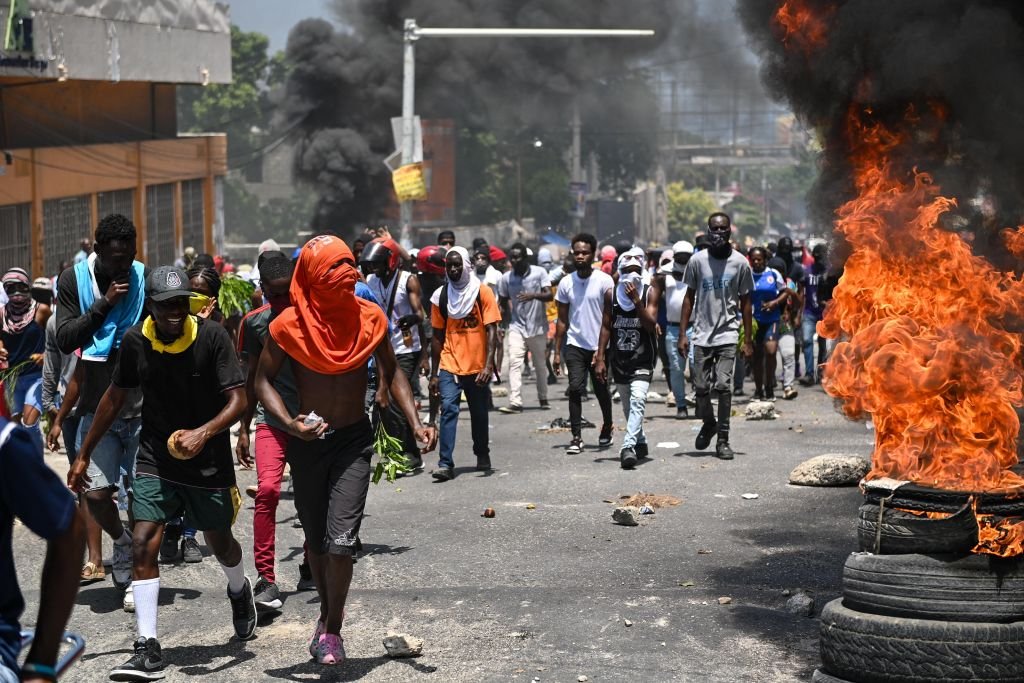
Explore the unpredictable awakening of Haiti, where change arises when least expected.
The future of Haiti is shrouded in uncertainty, making it a nation where unpredictability is the only constant. Despite the challenges, there is a growing sense that Haiti’s awakening is on the horizon, driven by the resilience and determination of its people.
This social change is not just about overcoming current adversities but is a profound transformation that will reshape the nation’s identity. As we explore this topic, it becomes clear that the path forward is not linear, and significant developments can occur unexpectedly.
Haiti stands at a critical juncture, where the interplay of political, economic, and social factors is reshaping the nation’s trajectory. The country is facing numerous challenges that are deeply intertwined, making it difficult to isolate one issue from another.
Haiti’s political landscape is marked by instability and governance challenges. The lack of a stable government has led to a vacuum of power, making it difficult to implement long-term solutions to the nation’s problems. Key issues include:
These factors have contributed to a sense of uncertainty and have hindered the country’s ability to move forward.
The economic situation in Haiti is dire, with many citizens struggling to make ends meet. Economic challenges are a daily reality for most Haitians, who face high levels of poverty and unemployment. The cost of living continues to rise, further exacerbating the economic hardship faced by the population.
Security concerns are also a significant issue in Haiti, contributing to social fragmentation. Gang violence and crime are on the rise, creating an atmosphere of fear among the population. This has led to a breakdown in social cohesion, as communities become increasingly fragmented.
The combination of these factors has created a complex and challenging environment in Haiti, where the future remains uncertain.
Throughout its complex history, Haiti has demonstrated an extraordinary capacity for renewal in the face of adversity. This resilience is deeply rooted in the nation’s past, from its revolutionary heritage to its numerous moments of national transformation.
Haiti’s revolutionary past is a cornerstone of its identity and a source of national pride. The successful slave revolt that led to independence in 1804 was not only a pivotal moment in Haitian history but also a significant event in world history, establishing Haiti as the world’s first black republic. This legacy continues to inspire resilience and a strong sense of self-determination among Haitians.
The revolution’s impact extends beyond the historical record, influencing contemporary Haitian culture and politics. It has instilled a deep-seated desire for freedom and self-governance, shaping the nation’s response to challenges and opportunities alike.
Throughout its history, Haiti has experienced numerous moments of national transformation, each leaving an indelible mark on the nation’s development. These moments have often been characterized by significant social, political, or economic change, sometimes triggered by internal dynamics and other times by external factors.
One such moment was the U.S. occupation from 1915 to 1934, which had a lasting impact on Haiti’s infrastructure, economy, and political structures. More recently, the 2010 earthquake and subsequent humanitarian crisis prompted a global response and led to significant changes in Haiti’s development trajectory.
The spirit of Haiti, forged in the crucible of revolution and nurtured through generations, remains a powerful force for resilience and renewal. Being the world’s first black republic has imbued Haitians with a strong sense of identity and pride, as well as a deep understanding of their role in shaping not just their own destiny but also contributing to the broader narrative of freedom and equality worldwide.
Social change is inherently unpredictable, with various factors contributing to the complexity of forecasting societal shifts. The intricate dynamics at play make it challenging to anticipate when and how change will occur.
The unpredictability of social change can be attributed to numerous variables, including political, economic, and social factors. These elements interact in complex ways, often leading to unforeseen outcomes.
Forecasting societal shifts is difficult due to the multifaceted nature of social change. Factors such as political instability, economic conditions, and social unrest can all impact the trajectory of change.
Key challenges in forecasting include:
The butterfly effect suggests that small, seemingly insignificant events can trigger substantial changes in national movements. This concept highlights the sensitivity of complex systems to initial conditions.
Examples of the butterfly effect can be seen in various historical events where minor incidents escalated into major social movements.
Tipping points occur when a critical mass is reached, leading to a significant shift in societal behavior or norms. Understanding these dynamics is crucial for grasping how social change can accelerate rapidly.
| Concept | Description | Impact |
|---|---|---|
| Tipping Points | The moment when a small change becomes a significant movement | Rapid acceleration of social change |
| Critical Mass | The point at which enough people adopt a new behavior or idea | Sustained social change |
By examining these concepts, we can better understand the unpredictable nature of social change and the factors that contribute to its complexity.
Haiti’s future is inherently unpredictable, yet the groundwork for its awakening is already in motion. While the current state of affairs may seem bleak, there are signs that the nation is on the verge of a significant transformation.
The seeds of change are being sown through various initiatives across Haiti. These efforts, though often overlooked, are crucial to the country’s future.
Local initiatives are sprouting up, driven by community resilience and a desire for change. These initiatives range from agricultural innovations to community-based education programs, showcasing the creativity and determination of Haitians.
There’s a noticeable shift in mindsets, with more Haitians expecting a better future. This change is driven by increased access to information and exposure to global perspectives, fostering a sense of possibility and hope.
Several factors could catalyze Haiti’s transformation. These include technological advancements, new economic opportunities, and increased international cooperation. Such catalysts have the potential to drive significant change.
Unexpected alliances could play a crucial role in Haiti’s awakening. By bringing together diverse stakeholders, these alliances can leverage collective strength and foster collaborative solutions. This could lead to innovative approaches to longstanding challenges.
As Haiti moves forward, the interplay between these factors will shape the nation’s future. While the path ahead is uncertain, the potential for positive change is evident.
As Haiti looks to the future, its diaspora community stands as a significant force for change. The diaspora’s influence extends across various domains, from economic development to cultural exchange.
Haiti’s diaspora is a vital conduit for knowledge transfer, bringing expertise and innovative ideas back to the homeland. Through professional networks and community organizations, diaspora members mobilize resources, including financial capital, technology, and human resources, to support development projects in Haiti.
The diaspora also plays a crucial role in bridging cultural and political divides. By maintaining connections with their roots while being part of their host countries, diaspora members can facilitate cultural exchange and understanding. This bridge can help in fostering political dialogue and cooperation between Haiti and other nations.
Diaspora investment is another significant aspect of their contribution to Haiti’s future. Remittances from the diaspora are a major source of foreign exchange, supporting families and stimulating local economies. Moreover, diaspora-led investments in sectors like agriculture, education, and healthcare can drive economic development and create jobs.
| Area of Contribution | Impact on Haiti |
|---|---|
| Knowledge Transfer | Innovation and Expertise |
| Resource Mobilization | Financial and Human Resources |
| Diaspora Investment | Economic Growth and Job Creation |
At the heart of Haiti’s transformation are local leaders and grassroots initiatives that are addressing the nation’s most pressing challenges. These movements are not only driving change but also fostering a sense of community and solidarity among Haitians.

Community-based solutions are gaining traction in Haiti, with local organizations and initiatives working to address issues such as poverty, education, and healthcare. These grassroots efforts are often more effective than top-down approaches because they are tailored to the specific needs of the community.
Examples of successful community-based projects include agricultural cooperatives, community health programs, and educational initiatives. These projects not only provide essential services but also empower local communities to take charge of their own development.
Haiti’s youth are playing a crucial role in the country’s transformation, with many young people becoming involved in activism and community organizing. Youth-led initiatives are bringing fresh perspectives and energy to the movement, challenging traditional power structures and pushing for change.
Through social media and other digital platforms, young Haitians are mobilizing support, raising awareness about key issues, and advocating for policy changes. Their activism is helping to shape the national conversation and drive progress.
Women’s leadership is a critical component of Haiti’s social transformation. Women are increasingly taking on leadership roles in grassroots movements, bringing unique perspectives and experiences to the table. Women-led initiatives are addressing a range of issues, from economic empowerment to violence prevention.
By promoting women’s leadership, Haiti can build a more inclusive and equitable society. Women’s participation in decision-making processes is essential for creating sustainable change and ensuring that the needs of all community members are taken into account.
Despite its resilience, Haiti faces significant hurdles on its road to awakening. The nation’s progress is hindered by a multitude of challenges that need to be addressed.
One of the major obstacles to Haiti’s awakening is the presence of entrenched power structures that resist change. These structures, often rooted in historical and political contexts, can hinder the implementation of reforms and the adoption of new policies.
Haiti is also highly vulnerable to environmental challenges, including deforestation, soil erosion, and natural disasters exacerbated by climate change. These issues not only affect the country’s biodiversity but also have significant implications for its economic stability and food security.
| Environmental Challenge | Impact on Haiti |
|---|---|
| Deforestation | Loss of biodiversity, increased risk of natural disasters |
| Soil Erosion | Reduced agricultural productivity, increased sedimentation in waterways |
| Natural Disasters | Destruction of infrastructure, loss of life, displacement of populations |
The legacy of historical trauma continues to affect Haiti’s social fabric. Building trust among its citizens and between the government and the populace is crucial for the nation’s awakening. This involves acknowledging past injustices and working towards reconciliation.
In conclusion, Haiti’s path to awakening is complex and fraught with challenges. Addressing these obstacles will require a concerted effort from both within and outside the country.
As Haiti navigates its complex future, international relations will play a pivotal role in shaping the nation’s trajectory. The way Haiti engages with the global community will significantly influence its development and stability.

The traditional approach to foreign aid and intervention in Haiti has been subject to scrutiny. Critics argue that such interventions often fail to address the root causes of the country’s challenges. Instead, they may create dependency or undermine local capacities.
A new paradigm is needed, one that prioritizes sustainable development, local ownership, and collaborative problem-solving. This involves shifting from aid-centric models to partnerships that empower local communities and foster long-term growth.
Meaningful partnerships are crucial for Haiti’s progress. These partnerships should be based on mutual respect, shared goals, and a deep understanding of Haiti’s unique context.
By engaging in dialogue and collaboration, Haiti can attract investments that are tailored to its needs, leveraging its resources and potential. This includes partnerships in sectors such as agriculture, renewable energy, and infrastructure.
The global landscape is undergoing significant changes, with shifts in economic power, environmental challenges, and evolving geopolitical dynamics. Haiti must navigate this changing global order to secure its place and protect its interests.
By adapting to these changes and leveraging its strategic position, Haiti can enhance its global relevance and ensure a more prosperous future for its citizens.
Haiti’s journey towards awakening is inherently marked by unpredictability, a characteristic that is both challenging and transformative. As we have explored, the nation’s history is replete with moments of resilience and renewal, underscoring the capacity of its people to navigate and shape their future.
Embracing this unpredictability is crucial, as it allows for the potential of positive change to emerge. The seeds of transformation are already present, from the grassroots movements and local leadership to the role of the diaspora in shaping Haiti’s future.
As Haiti continues on its path, it is essential to recognize the value of its unpredictable journey. By doing so, we can better understand the complexities of its development and the opportunities that arise from its dynamic nature. Haiti’s journey, with all its uncertainties, holds the promise of a brighter future.
Haiti’s economy is facing significant challenges, including high inflation, unemployment, and a heavy reliance on foreign aid. Daily life for many Haitians is marked by poverty and limited access to basic necessities like food, clean water, and healthcare.
Haiti’s history, including its revolutionary past and previous moments of national transformation, has shaped the nation’s spirit and its capacity for resilience. The country’s experience as the world’s first black republic has also had a lasting impact on its identity and global relations.
Haiti’s diaspora can contribute significantly to the country’s development through knowledge transfer, resource mobilization, and investment. The diaspora can also help bridge cultural and political divides, both within Haiti and between Haiti and other nations.
Entrenched power structures, environmental vulnerabilities, and the need to overcome historical trauma are significant obstacles to Haiti’s awakening. Additionally, challenges like climate change, corruption, and lack of trust in institutions hinder the country’s progress.
International relations can significantly impact Haiti’s path forward. Rethinking foreign aid and intervention, building meaningful partnerships, and understanding Haiti’s place in the changing global order are crucial for the country’s development and its ability to navigate global challenges.
Grassroots movements and local leadership are driving change in Haiti. Community-based solutions, youth activism, and women’s leadership are critical components of social transformation, enabling the country to address its challenges from the ground up.
Forecasting societal shifts in Haiti is challenging due to the complex interplay of factors like politics, economy, and social dynamics. Understanding the butterfly effect, tipping points, and critical mass dynamics can help in anticipating potential changes, but the inherently unpredictable nature of social change must be acknowledged.
Innovative local initiatives, shifting mindsets, and expectations are among the seeds of change already present in Haiti. Potential catalysts for transformation, including unexpected alliances, are also emerging, laying the groundwork for the country’s awakening.