Physical Address
304 North Cardinal St.
Dorchester Center, MA 02124
Physical Address
304 North Cardinal St.
Dorchester Center, MA 02124
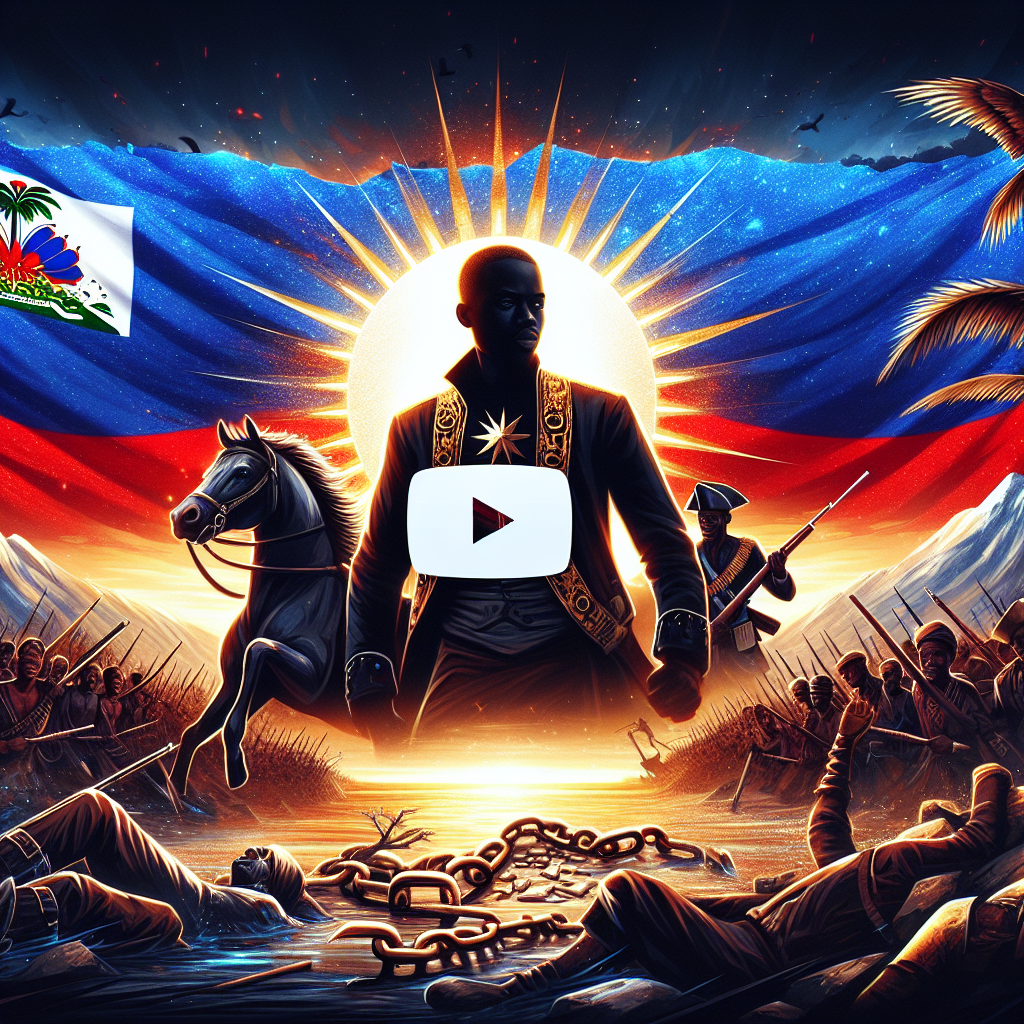
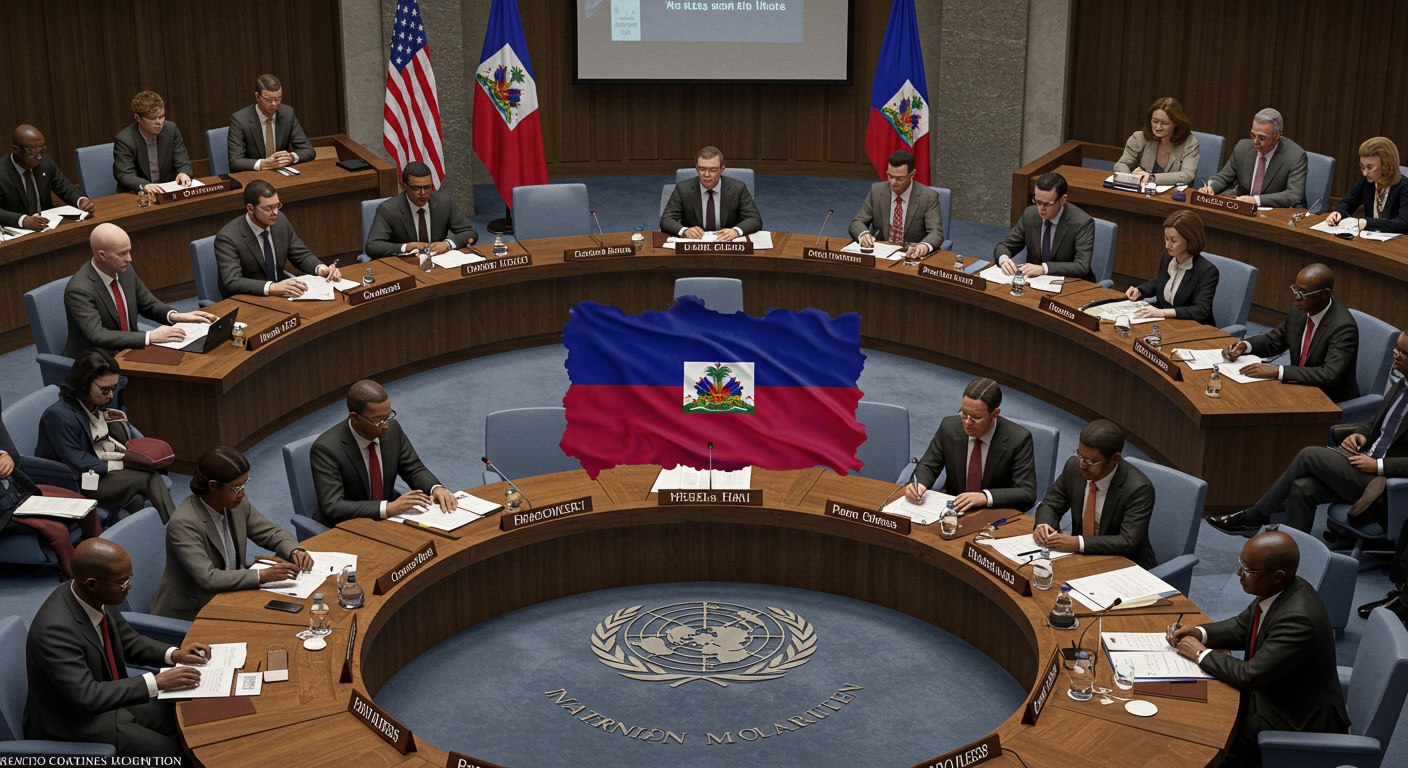
Explore the silencing of Haiti's sovereignty by the UN, OAS, and others. When will they let this nation speak?
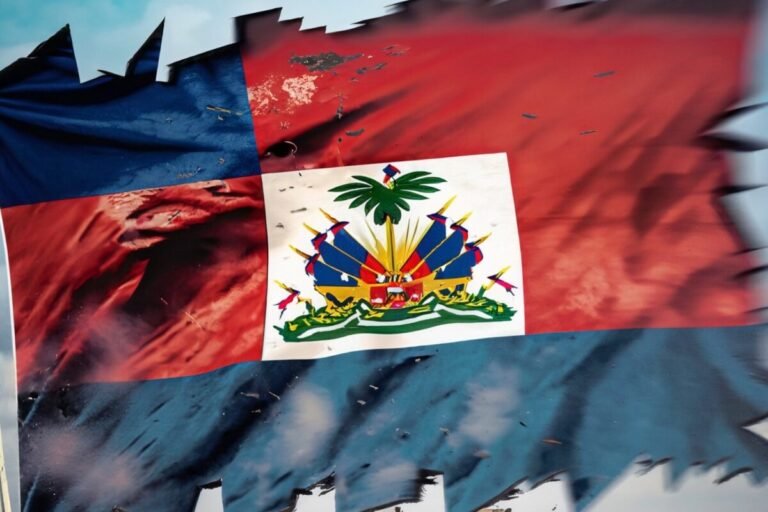
Haiti, a nation with a rich history and resilient people, has long been a subject of international attention due to its political instability and external interventions. The influence of organizations like the UN and OAS on Haitian politics is a complex issue, raising questions about Haiti sovereignty and the role of international bodies in its governance.
The interactions between Haiti and international organizations have been multifaceted, involving UN intervention in various forms, from peacekeeping missions to humanitarian aid. Meanwhile, the OAS influence has been felt through diplomatic efforts and support for democratic processes. Understanding these dynamics is crucial for grasping the nuances of Haitian politics.
The struggle for sovereignty in Haiti is deeply rooted in its complex history, from colonial rule to independence. Haiti’s journey to becoming the first independent black nation in the world was marked by significant turmoil and resilience.
Haiti was a French colony known as Saint-Domingue, which was one of the most profitable colonies in the world due to its production of sugar, coffee, and other crops. The harsh conditions of slavery and the influence of the French Revolution led to a massive slave uprising in 1791.
The Haitian Revolution, led by figures such as Toussaint Louverture, Boukman Dutty, and Jean-Jacques Dessalines, was a successful slave revolt that lasted from 1791 to 1804. It not only led to Haiti’s independence but also had a profound impact on the global abolitionist movement.
“The Haitian Revolution was a beacon of hope for enslaved people around the world, demonstrating that freedom could be achieved through determination and collective action.”
After gaining independence, Haiti was forced to pay an indemnity to France for the loss of its “property” (enslaved people and plantations). This debt, known as the ” Haitian indemnity debt,” was a significant burden on Haiti’s economy.
| Year | Economic Impact | Consequences |
|---|---|---|
| 1825 | France recognizes Haiti’s independence | Haiti agrees to pay 150 million gold francs as indemnity |
| 19th-20th Century | Debt repayment | Significant drain on Haiti’s resources, hindering economic development |
| Present Day | Ongoing economic challenges | Legacy of the indemnity continues to affect Haiti’s economic sovereignty |
The indemnity paid to France had long-term economic consequences for Haiti, contributing to its ongoing economic challenges. The financial burden limited Haiti’s ability to invest in infrastructure, education, and healthcare, setting the stage for its current economic situation.
As the first black republic, Haiti holds a unique place in international relations, shaped by its history and strategic location. This distinction is not merely symbolic; it has real-world implications for Haiti’s sovereignty and geopolitical significance.
Haiti’s successful slave revolt and subsequent independence in 1804 made it a beacon for freedom movements worldwide. This historical context gives Haiti a symbolic importance that transcends its size. As Dr. Louis-Philippe Dalembert, a Haitian writer, once noted, “Haiti is not just a country; it’s a symbol of resistance against oppression.”
Haiti’s location in the Caribbean makes it a crucial player in regional geopolitics. Its proximity to major shipping lanes and strategic military positions has drawn the interest of global powers.
The United States has historically viewed Haiti through the lens of its own strategic interests. As Professor Robert Fatton Jr. argues, “U.S. policy towards Haiti has often been driven by a desire to maintain stability and security in the region, sometimes at the expense of Haitian sovereignty.” This dynamic has shaped Haiti’s international relations and continues to influence its geopolitical significance today.
In conclusion, Haiti’s unique position is a blend of its historical significance and geopolitical realities. Understanding these factors is crucial to grasping the complexities of Haitian sovereignty.
The United Nations has had a complex and often contentious relationship with Haiti, marked by significant interventions. This relationship has been shaped by various factors, including peacekeeping missions and humanitarian aid.
The MINUSTAH mission, established in 2004, was one of the most significant UN interventions in Haiti. While intended to stabilize the country, it faced criticism for its handling of various issues, including human rights abuses. The mission’s legacy continues to be debated, with some arguing it had a positive impact on security, while others highlight its failures.
In 2010, a cholera epidemic broke out in Haiti, attributed to UN peacekeepers. The response to the epidemic and subsequent accountability measures have been subjects of controversy, with many calling for greater UN responsibility. The epidemic highlighted issues of accountability and the need for the UN to take responsibility for its actions.
Today, the UN continues to be involved in Haiti through missions like BINUH. These missions aim to support stability and governance. However, their impact on Haitian sovereignty is a topic of ongoing debate.
BINUH’s mandate includes promoting human rights and supporting the Haitian government in various capacities. Its effectiveness is a subject of ongoing debate, with some arguing it provides necessary support, while others see it as an infringement on Haitian sovereignty.
The involvement of the OAS in Haiti reflects a broader commitment to regional stability and democracy. The organization’s actions in Haiti have been shaped by a complex interplay of historical, political, and social factors.
The OAS has a long history of intervention in Haitian affairs, often with significant consequences. Historical interventions have ranged from diplomatic efforts to more direct forms of involvement, impacting Haiti’s political development.
These interventions have sometimes been controversial, with critics arguing that they have undermined Haitian sovereignty. The OAS has also been praised for its efforts to promote democracy and stability in the country.
In recent years, the OAS has taken various positions on Haitian political crises, often through official statements and diplomatic initiatives. The organization’s stance has been influenced by its commitment to democratic principles and human rights.
One of the key roles of the OAS in Haiti has been through its electoral observation missions. These missions aim to ensure the integrity and transparency of Haitian elections, a crucial aspect of the country’s democratic process.
Haitian voices have been systematically silenced in international discussions that directly impact their nation. This silencing is a result of longstanding patterns of international decision-making that exclude Haitian input.
The United Nations and the Organization of American States have historically made crucial decisions regarding Haiti without adequately considering the viewpoints of its people. This exclusionary approach has led to policies that often fail to address the real needs and aspirations of Haitians.
In international forums, Haitian perspectives are frequently overshadowed by the interests of more powerful nations. This marginalization is evident in the lack of representation and consideration given to Haitian stakeholders in key decisions.
Several case studies illustrate the consequences of ignoring Haitian voices:
| Event | Haitian Input | Outcome |
|---|---|---|
| 2010 Earthquake Reconstruction | Limited | Reconstruction efforts criticized for not meeting Haitian needs |
| Cholera Epidemic Response | Minimal | UN response lacked transparency and accountability |
The marginalization of Haitian voices in international forums not only undermines Haiti’s sovereignty but also hampers the effectiveness of policies aimed at supporting the Haitian people. It is crucial for international organizations to include Haitian perspectives in their decision-making processes.
Haiti’s experience with foreign aid is a complex narrative of assistance and unintended consequences. The country’s history of receiving substantial foreign aid has shaped its economy and governance in profound ways.
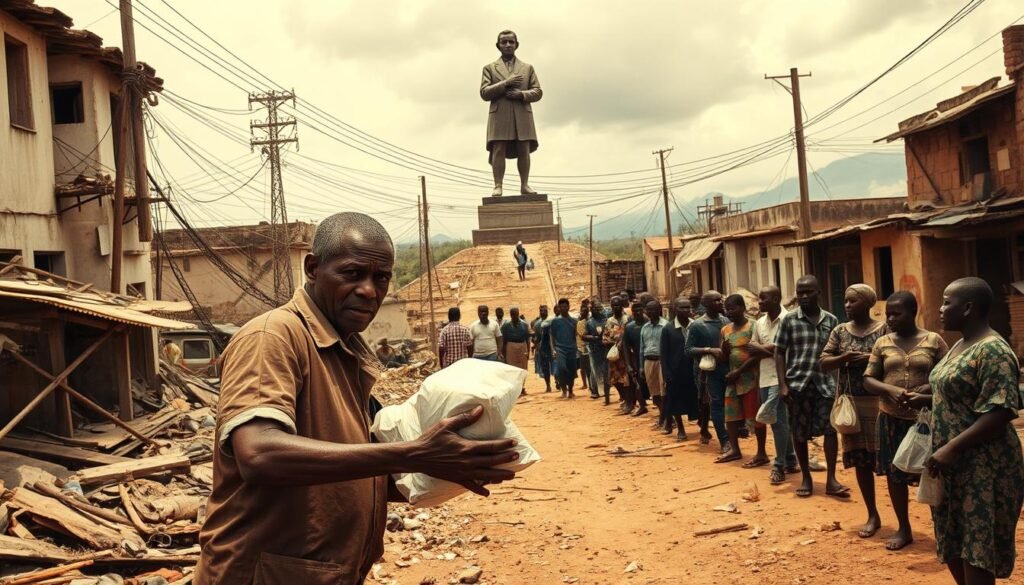
The proliferation of non-governmental organizations (NGOs) in Haiti has led to what is often termed the “NGO Republic.” This phenomenon has created parallel systems that sometimes undermine the Haitian government’s authority and capacity.
The presence of NGOs has resulted in the development of parallel systems that can weaken Haitian institutions. By providing services that the government might otherwise be responsible for, NGOs can inadvertently reduce the government’s incentive to strengthen its own capabilities.
This can lead to a dependency on external actors for basic services, eroding the government’s accountability to its citizens.
Foreign aid can also lead to economic dependency, which in turn can affect Haiti’s political autonomy. When a significant portion of the national budget is supported by foreign donors, the government’s ability to make independent decisions can be compromised.
Economic dependency can limit the government’s flexibility in responding to national challenges, as it may be bound by the conditions attached to foreign aid. This can lead to a loss of political autonomy, as decisions are influenced or dictated by external actors rather than being made in the best interest of the Haitian people.
The 2010 earthquake that struck Haiti brought to light the intricate dynamics between international aid and national sovereignty. The disaster not only devastated the country’s infrastructure but also led to an unprecedented international response that would significantly impact Haiti’s sovereignty.
The international community’s response to the 2010 earthquake was swift and extensive. However, the control and management of the reconstruction efforts were largely dominated by foreign entities and NGOs. This led to concerns about the Haitian government’s ability to exert control over its own recovery process.
The establishment of the Haiti Reconstruction Fund is a notable example. While intended to manage and coordinate the reconstruction efforts, it operated with significant international influence, raising questions about the degree of control Haiti had over its own rebuilding.
Despite being the government of the affected nation, the Haitian administration found itself sidelined in the recovery efforts. The dominance of international actors in the reconstruction process undermined the government’s authority and ability to make sovereign decisions regarding its own territory and people.
The governance structure of the Haiti Reconstruction Fund was a point of contention. With significant representation from international donors and limited Haitian government representation, it exemplified the power imbalance in the reconstruction process. This imbalance had long-term implications for Haiti’s sovereignty, as key decisions about its future were made without adequate Haitian input.
The aftermath of the 2010 earthquake serves as a critical case study in how external interventions, even those with the best of intentions, can erode a nation’s sovereignty. It highlights the need for a more balanced approach to international aid, one that respects and empowers the sovereignty of the recipient nation.
External interference in Haiti’s electoral processes has become a recurring issue, impacting the legitimacy of democratic choices. The involvement of foreign powers, particularly the United States, has raised concerns about the sovereignty of Haitian elections.
The United States has historically played a significant role in shaping Haitian electoral outcomes. This influence has been exerted through various means, including financial support for preferred candidates and diplomatic pressure on the Haitian government.
Examples of U.S. Influence:
External interference can lead to the delegitimization of Haitian democratic choices, undermining the credibility of elected officials and the electoral process as a whole. This delegitimization can have far-reaching consequences, including political instability and erosion of trust in democratic institutions.
The 2010-2011 Haitian presidential election was marred by controversy, with allegations of foreign interference and manipulation. The election saw the controversial ascension of Michel Martelly to the presidency, amidst allegations of U.S. backing.
| Year | Election Event | Allegations of Interference |
|---|---|---|
| 2010-2011 | Presidential Election | U.S. backing of Michel Martelly |
| 2015 | Parliamentary Elections | Allegations of electoral fraud |
The impact of external interference on Haitian elections is a complex issue, requiring careful consideration of the geopolitical dynamics at play. Understanding these dynamics is crucial for assessing the legitimacy and sovereignty of Haitian democratic processes.
The Core Group has emerged as a significant, yet unelected, power center in Haitian politics. This entity, comprising various international representatives, plays a crucial role in shaping Haiti’s political landscape.
The Core Group includes representatives from several countries and international organizations. Its influence extends to various aspects of Haitian governance, often shaping key decisions.
Key Members of the Core Group:
The Core Group’s unelected nature raises significant concerns about accountability and democratic deficit. Decisions made by this group can have far-reaching implications for Haiti’s sovereignty.
“The influence of unelected bodies like the Core Group can undermine the democratic process and the will of the Haitian people.”
The Core Group has been involved in several key political decisions in Haiti, often providing guidance and support. However, this involvement is not without controversy.
| Year | Nature of Intervention | Impact |
|---|---|---|
| 2010 | Post-earthquake reconstruction efforts | Significant international influence on recovery process |
| 2015 | Election monitoring and support | Enhanced legitimacy of electoral process |
| 2020 | Response to political instability | Stabilization efforts with mixed results |

The role of the Core Group in Haitian politics is complex and multifaceted. While it provides necessary support and guidance, it also poses challenges to Haiti’s democratic processes and sovereignty.
Haiti is currently facing an unprecedented crisis marked by escalating gang violence and severe security challenges. The situation has deteriorated to a point where international intervention has become a necessity.
The rise of gang violence in Haiti has led to a significant increase in security challenges. Gangs have taken control of large areas, displacing thousands and causing a humanitarian crisis. The Haitian government faces significant challenges in restoring order.
In response to the crisis, a multinational security support mission has been proposed to help stabilize the country. This mission aims to address the security challenges posed by gang violence and restore a semblance of order.
As part of the multinational security mission, there are plans for a Kenyan police deployment to Haiti. While this move is intended to bolster security, it raises important questions about Haitian sovereignty and the potential for external influence over the country’s internal affairs.
The international community’s response to Haiti’s crisis must balance the need for immediate security with the long-term respect for Haitian sovereignty. Ensuring that any intervention is carefully calibrated to support, rather than undermine, Haitian autonomy is crucial.
In the face of international oversight, Haitian voices are organizing to assert their sovereignty. Haitian civil society is a vibrant and diverse entity that encompasses various grassroots movements, diaspora communities, and local organizations.
Grassroots movements in Haiti are at the forefront of the fight for sovereignty. These movements are characterized by their commitment to community-led initiatives and their resistance to external interference. Some notable examples include:
These grassroots movements are crucial in mobilizing Haitian citizens and promoting a sense of national identity and autonomy.
The Haitian diaspora plays a significant role in advocating for Haitian rights on the international stage. Diaspora communities in countries such as the United States, Canada, and France are actively engaged in lobbying governments and international organizations to support Haitian sovereignty.
Diaspora activism includes a range of activities, from raising awareness about the challenges faced by Haiti to mobilizing financial and humanitarian support. Some key initiatives include:
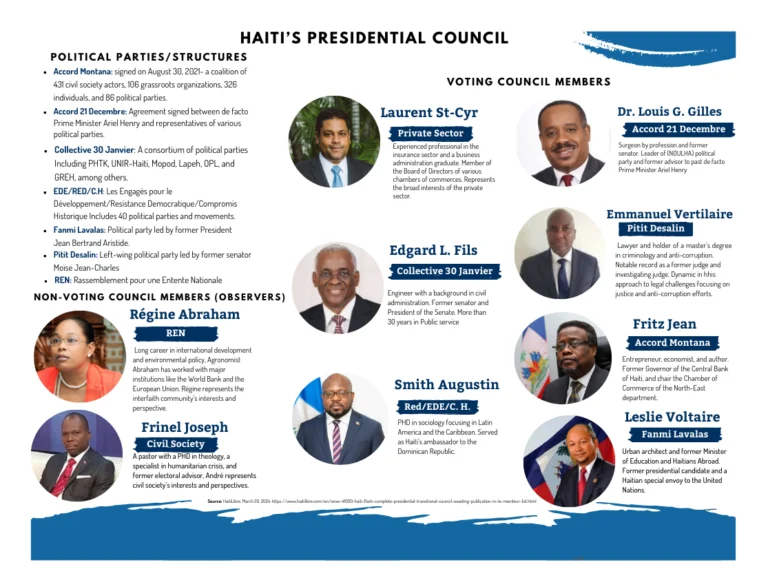
The Montana Accord is a significant initiative led by Haitian civil society to propose alternative solutions for the country’s development. This accord represents a consensus among various civil society groups on the need for a more inclusive and sustainable approach to addressing Haiti’s challenges.
The Montana Accord emphasizes the importance of:
By promoting these alternatives, Haitian civil society is asserting its role as a key stakeholder in shaping the country’s future.
The struggle for Haitian sovereignty is a complex issue, deeply intertwined with the country’s history, international relations, and the quest for self-determination. Throughout this article, we have explored the various factors that have contributed to the silencing of Haiti’s voice on the global stage.
To truly support Haiti, the international community must prioritize Haitian sovereignty, fostering an environment where the Haitian people can exercise their right to self-determination. This involves not only acknowledging the historical injustices faced by Haiti but also ensuring that current international cooperation does not undermine the country’s autonomy.
By promoting genuine international cooperation that respects Haitian sovereignty, we can work towards a future where Haiti is able to chart its own course, free from undue external influence. This approach will enable the Haitian people to determine their own path, leveraging their resilience and resourcefulness to build a more prosperous and stable nation.
Haiti’s sovereignty issues stem from its history, including the indemnity paid to France after gaining independence and ongoing interventions by foreign powers.
The UN’s interventions, such as the MINUSTAH mission, have had a complex impact on Haitian sovereignty, with some arguing they have undermined it while others see them as necessary for stability.
The OAS has been involved in various capacities, including electoral observation missions, which have had mixed results in supporting Haitian democratic processes.
Foreign aid, particularly through NGOs, has created parallel systems that can weaken Haitian institutions and lead to economic dependency, affecting political autonomy.
The international response to the earthquake led to a significant external role in reconstruction efforts, sidelining the Haitian government and further eroding sovereignty.
External powers, particularly the U.S., have been known to influence Haitian electoral processes, which can delegitimize Haitian democratic choices.
The Core Group is an unelected body that influences Haitian politics, raising accountability issues and contributing to a democratic deficit.
The current crisis involves gang violence and security challenges, with a multinational security support mission, including Kenyan police, being deployed, raising questions about sovereignty.
Haitian civil society, including grassroots movements and diaspora activism, is advocating for sovereignty and proposing alternatives, such as the Montana Accord.
Respecting Haitian sovereignty requires allowing the Haitian people to determine their own future, free from undue external influence, and supporting their efforts to chart their own course.