Physical Address
304 North Cardinal St.
Dorchester Center, MA 02124
Physical Address
304 North Cardinal St.
Dorchester Center, MA 02124

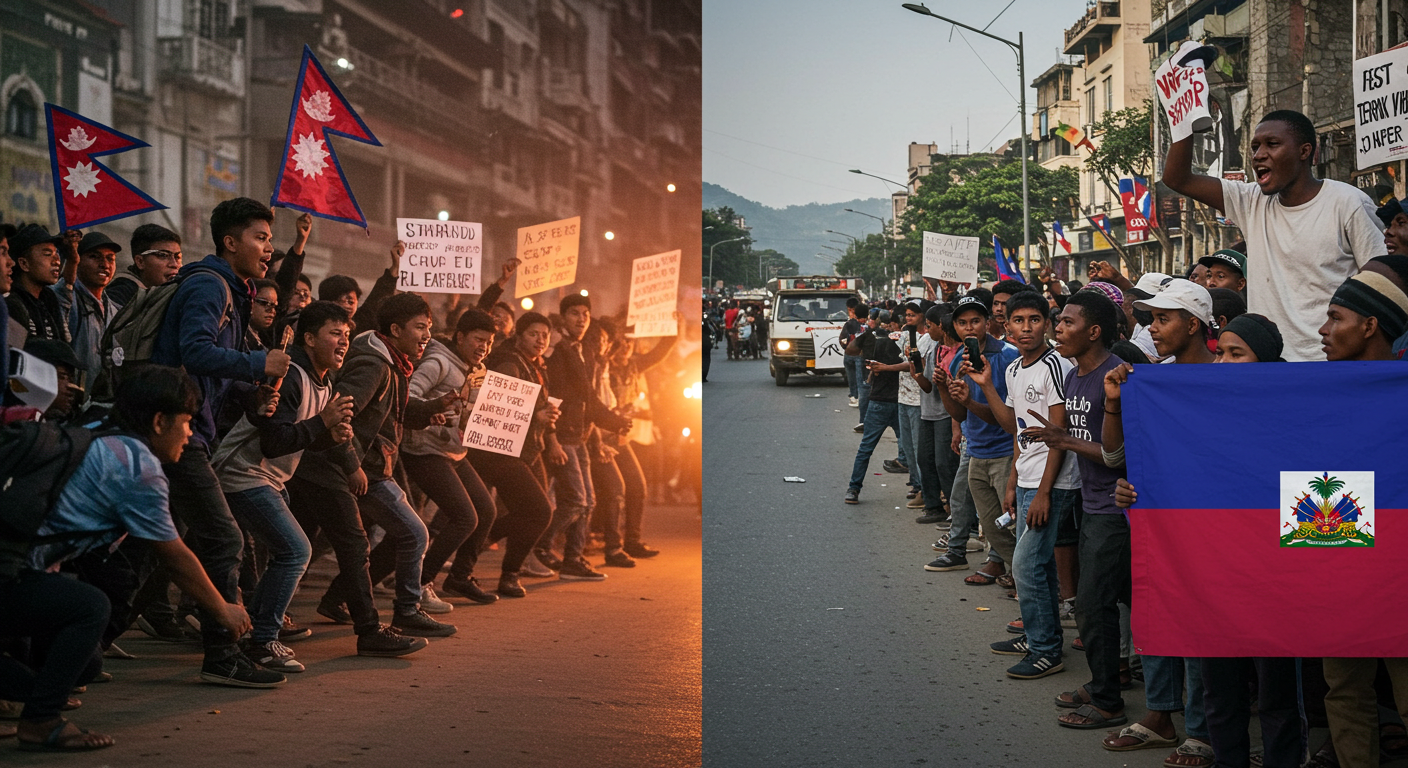
What can Haitian youth learn from Nepal's Gen Z protests? Uncover the insights from Kathmandu.
In recent years, youth-led movements have been gaining momentum globally, with Nepal’s Gen Z protests being a significant example. These protests, which took place in Kathmandu, have drawn international attention due to their determination and innovative strategies.
The parallels between Nepal’s Gen Z protests and the aspirations of Haitian youth are striking. Both groups are driven by a desire for social change and are leveraging their collective power to challenge the status quo.
This article explores the valuable lessons that Haitian youth can derive from Nepal’s experience, focusing on the strategies, tactics, and mindset that have made Nepal’s Gen Z protests so impactful.
Understanding the contexts of Nepal and Haiti is crucial to grasping the significance of Gen Z protests in these countries. Both nations have unique socio-political landscapes that influence the role and impact of their youth populations.
Nepal has experienced significant political change in recent years, transitioning towards a federal democratic republic. This shift has empowered various demographics, including the youth, to participate more actively in political processes. The country’s young population is increasingly vocal about issues such as corruption and social inequality.
Haiti faces numerous challenges, including political instability, economic hardship, and natural disasters. These factors have a profound impact on the youth, who often find themselves at the forefront of protests and movements demanding change. Economic opportunities are scarce, leading to widespread frustration among young Haitians.
Both Nepal and Haiti have significant youth populations, but their influence varies due to different socio-political contexts. The following table compares key demographic statistics:
| Country | Youth Population (%) | Median Age |
|---|---|---|
| Nepal | 25% | 23.4 |
| Haiti | 30% | 22.8 |
This comparison highlights the substantial youth presence in both countries, underscoring their potential to drive social and political change.
Nepal’s Gen Z movement was sparked by a series of events that highlighted the country’s deep-seated political and social issues. The protests were not an overnight phenomenon but were the result of a build-up of grievances among the youth.
The protests in Kathmandu were triggered by several key events, including government decisions that were perceived as being out of touch with the needs and aspirations of the younger generation. One such decision was the appointment of a new prime minister without consulting the youth or considering their demands for political reform.
The youth were also galvanized by issues such as corruption, lack of employment opportunities, and the government’s failure to address pressing social issues. These events created a sense of urgency and frustration among the youth, leading them to organize protests.
The government’s initial response to the protests was met with skepticism by the youth. The government attempted to downplay the significance of the protests, labeling them as “unruly behavior” by a minority. However, this response only served to further galvanize the protesters, who saw it as a sign of the government’s disconnect from the people’s concerns.
Social media played a crucial role in amplifying Nepal’s Gen Z movement. Platforms such as Twitter, Facebook, and Instagram were used to mobilize supporters, share information, and coordinate protests. The use of hashtags helped to create a sense of unity and purpose among the protesters.
The following table summarizes the key factors that contributed to the success of Nepal’s Gen Z movement:
| Factor | Description | Impact |
|---|---|---|
| Triggering Events | Government decisions and social issues | Galvanized youth to protest |
| Government Response | Downplaying protests | Further galvanized protesters |
| Social Media | Mobilization and information sharing | Amplified the movement |
The youth movement in Nepal employed a multifaceted approach, combining robust organizational structures with effective digital mobilization. This blend of traditional and modern strategies enabled them to achieve significant traction and impact.
Nepal’s youth-led protests were characterized by a decentralized organizational structure, which allowed for greater flexibility and resilience. The leadership was often collective, with decision-making distributed among various groups and individuals.
Key features of their organizational structure included:
Digital mobilization played a crucial role in Nepal’s youth protests. The protesters effectively utilized social media platforms to spread their message, mobilize support, and coordinate actions.
Some of the digital mobilization techniques used included:
Maintaining momentum was a significant challenge for Nepal’s youth protesters. They faced various obstacles, including government crackdowns and internal conflicts. However, they managed to sustain their movement through strategic adaptations and continued digital engagement.
| Challenge | Strategy to Overcome |
|---|---|
| Government Crackdowns | Utilized encrypted communication channels |
| Internal Conflicts | Implemented mediation processes |
| Public Apathy | Launched targeted social media campaigns |
By understanding the strategies and tactics employed by Nepal’s youth, other movements can learn valuable lessons about effective protest organization and mobilization.
The Gen Z protests in Nepal have yielded remarkable results, including policy reforms and increased political awareness. These protests, led by the younger generation, have brought about significant changes in the country’s political landscape.
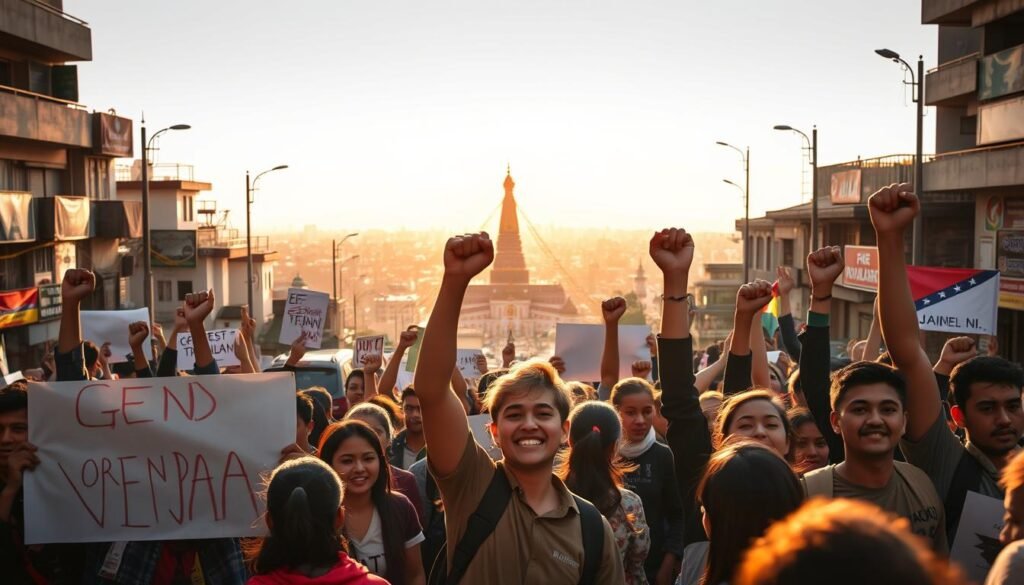
The protests resulted in several key policy changes and government concessions. The government was compelled to address some of the protesters’ demands, leading to reforms in education policy and increased transparency in governance.
Some of the notable concessions include the establishment of a truth and reconciliation commission to address past human rights violations and the implementation of measures to promote good governance.
The Gen Z protests have significantly shifted public discourse in Nepal, raising awareness about various social and political issues. The movement has brought attention to the importance of youth participation in politics and the need for sustainable development.
The protests have also led to a more informed public, with increased discussions around democratic values and human rights. This shift in public discourse is likely to have a lasting impact on Nepal’s political landscape.
The long-term impact of the Gen Z protests on youth political engagement in Nepal is substantial. The movement has empowered young people to take an active role in politics, fostering a generation that is more aware and engaged.
The protests have shown that youth can be a powerful force for change, leading to increased political participation among young people. This trend is expected to continue, shaping Nepal’s political future.
The current state of Haiti’s youth movement is marked by both determination and challenges. Despite the obstacles, Haitian youth are increasingly organizing and demanding change.
Haitian youth are driving various initiatives aimed at social, political, and economic change. These include:
These initiatives demonstrate the creativity and resilience of Haitian youth in the face of adversity.
Despite their determination, Haitian youth face significant structural barriers to organizing protests. These include:
| Barrier | Description | Impact |
|---|---|---|
| Lack of Resources | Insufficient funding and infrastructure | Limits the scale and reach of protests |
| Government Restrictions | Laws and policies that restrict assembly and speech | Creates a climate of fear and repression |
| Social Fragmentation | Divisions within the youth population | Weakens the collective voice and impact |
Security concerns are a significant challenge for Haiti’s youth movement. Gang violence and political instability create an environment where mobilization is risky.
Key security concerns include:
Addressing these challenges will be crucial for the future of Haiti’s youth movement. By understanding the current state and challenges, we can better support the efforts of Haitian youth to create positive change.
The protests in Kathmandu offer valuable insights for Haitian youth looking to make their mark on social change. Nepal’s Gen Z movement has demonstrated remarkable resilience and strategic acumen, providing a model for youth-led activism globally.
One of the key lessons from Kathmandu is the importance of strategic communication. Nepal’s young protesters effectively utilized social media to mobilize support, share their message, and counter government narratives. They:
For Haitian youth, adopting similar strategies could enhance their visibility and impact. Effective communication is crucial for building a strong movement, and Nepal’s experience shows that a well-planned approach can make a significant difference.
The organizational structure of Nepal’s Gen Z protests was notably resilient, allowing the movement to adapt to challenges and maintain momentum. Key aspects included:
Haitian youth can learn from this by building diverse, inclusive, and adaptable movement structures. Resilience is key to sustaining a movement over time, and Nepal’s experience provides valuable lessons in this regard.
Nepal’s Gen Z protests garnered significant international attention, which played a crucial role in amplifying their message and pressuring the government. Haitian youth can similarly benefit from international solidarity by:
Navigating international attention requires strategic engagement to ensure that external support complements local efforts. By learning from Nepal’s experience, Haitian youth can maximize the benefits of global solidarity.
As Haitian youth look to Nepal’s Gen Z protests for inspiration, they must consider how to adapt these strategies to their unique context. The success of Nepal’s youth movement was deeply rooted in the country’s specific socio-political conditions, and Haitian youth must similarly tailor their approach to their own environment.
Protest methods that worked in Nepal may need significant adjustments to be effective in Haiti. For instance, Haitian youth might focus on issues that resonate strongly with their community, such as gang violence or economic inequality. They could also leverage local cultural events or traditions as platforms for mobilization.
A key aspect of adapting protest methods is understanding the local power structures and how they can be influenced. In Haiti, this might involve engaging with local community leaders or religious figures to build support for the movement.
Safe spaces for organizing are crucial for the sustainability of any youth movement. In Haiti, this could mean utilizing secure, private venues for meetings or leveraging encrypted communication platforms for coordination. Building a network of trusted allies and mentors can also provide guidance and protection for young activists.
Haitian diaspora communities can be a valuable resource for youth activists. By connecting with these networks, young people in Haiti can access financial support, international advocacy, and expertise that can enhance their movement.
| Strategy | Description | Potential Impact |
|---|---|---|
| Adapting protest methods | Tailoring protest strategies to local issues and cultural context | Increased resonance with local community |
| Creating safe spaces | Utilizing secure venues and encrypted communication for organizing | Enhanced security for activists |
| Leveraging diaspora networks | Connecting with Haitian diaspora for support and resources | Access to international advocacy and financial support |
By implementing these practical strategies, Haitian youth can effectively draw on the lessons from Nepal’s Gen Z protests while building a movement that is tailored to their unique context.
Global solidarity is emerging as a critical component of successful youth-led movements worldwide. As young activists in Haiti look to Nepal’s Gen Z protests for inspiration, understanding the international dimension of these movements can provide valuable insights.
International organizations can offer crucial support to local youth movements. By connecting with these organizations, Haitian youth can gain access to resources, expertise, and global networks that can amplify their message.
| Organization Type | Potential Benefits |
|---|---|
| Human Rights Organizations | Advocacy, Legal Support |
| International NGOs | Funding, Capacity Building |
| Global Youth Networks | Networking, Knowledge Sharing |
Effective media engagement is key to garnering international support. Youth movements can leverage social media, traditional media, and international media outlets to share their stories and build a global audience.
“The media is a powerful tool that can be used to bring about social change.” –
Crafting narratives that resonate with global audiences is essential. By framing their struggles within universal themes of justice and equality, Haitian youth can build a broader base of support.

Haitian youth can learn from Nepal’s Gen Z protests not just about the successes, but also about the challenges and how to overcome them. As they draw inspiration from Nepal’s experience, understanding the potential pitfalls and resistance they may face is crucial for the long-term success of their movement.
Nepal’s youth movement, while largely successful, encountered several challenges that Haitian youth can learn from. One key lesson is the importance of maintaining a unified front. Divisions within the movement can be exploited by opponents, weakening the overall impact. Nepal’s experience showed that regular communication and consensus-building among leaders were critical in minimizing internal conflicts.
Another misstep Nepal’s Gen Z protesters encountered was underestimating the government’s ability to counter their movement. Anticipating and preparing for potential countermeasures can help Haitian youth stay ahead of the curve. This includes having contingency plans for different scenarios and maintaining a flexible organizational structure.
Governments often respond to youth-led protests with a mix of concessions and countermeasures. Haitian youth should anticipate these responses and plan accordingly. Building a resilient movement structure that can withstand government pressure is essential. This involves creating a decentralized leadership model and ensuring that the movement is not overly dependent on a single individual or tactic.
Engaging with a wide range of stakeholders, including local communities, international organizations, and the media, can also help mitigate government countermeasures. By garnering broad support, Haitian youth can make it more difficult for the government to ignore or suppress their demands.
One of the biggest challenges any protest movement faces is sustaining energy beyond the initial wave of enthusiasm. Haitian youth can learn from Nepal’s experience in maintaining momentum through challenging times. Setting clear, achievable goals and celebrating small victories can help keep the movement energized and motivated.
Additionally, incorporating a variety of tactics and activities can prevent the movement from becoming stale. This might include combining traditional protest methods with digital activism and community engagement, ensuring that the movement remains dynamic and inclusive.
The protests led by Gen Z in Nepal offer valuable lessons for Haitian youth seeking to drive change in their own country. By understanding the strategies and tactics employed by Nepal’s young protesters, Haitian youth can better navigate their own socio-political landscape.
Key takeaways from Nepal’s experience include the importance of strategic communication, building resilient movement structures, and leveraging international attention. Haitian youth can adapt these insights to their unique context, creating safe spaces for organizing and mobilizing support.
As Haitian youth forge a path forward, they must remain mindful of the challenges they may face, from structural barriers to security concerns. By learning from Nepal’s experiences and missteps, Haitian youth can develop effective countermeasures and sustain momentum in their pursuit of positive change.
The journey ahead will require determination, creativity, and perseverance. With the right strategies and support, Haitian youth can make a meaningful impact, driving progress and shaping a brighter future for their country.
Haitian youth can learn strategic communication approaches, building resilient movement structures, and navigating international attention and support from Nepal’s Gen Z protests.
Social media played a crucial role in amplifying Nepal’s Gen Z movement by providing a platform for mobilization, awareness, and organization.
Structural barriers to organized protest in Haiti include security concerns, limited resources, and organizational challenges.
Haitian youth can adapt protest methods to local realities by understanding the local context, leveraging community networks, and using culturally relevant messaging.
Building global solidarity is crucial for youth movements as it provides international support, amplifies their message, and can lead to increased pressure on governments to respond to their demands.
Youth movements can sustain energy beyond initial enthusiasm by maintaining a clear vision, adapting to challenges, and ensuring inclusive and diverse leadership.
Digital mobilization techniques played a significant role in Nepal’s Gen Z protests, enabling the movement to organize, mobilize, and raise awareness effectively.
Haitian youth can leverage diaspora networks and resources by connecting with Haitian communities abroad, seeking financial and technical support, and utilizing their global connections to amplify their message.