Physical Address
304 North Cardinal St.
Dorchester Center, MA 02124
Physical Address
304 North Cardinal St.
Dorchester Center, MA 02124
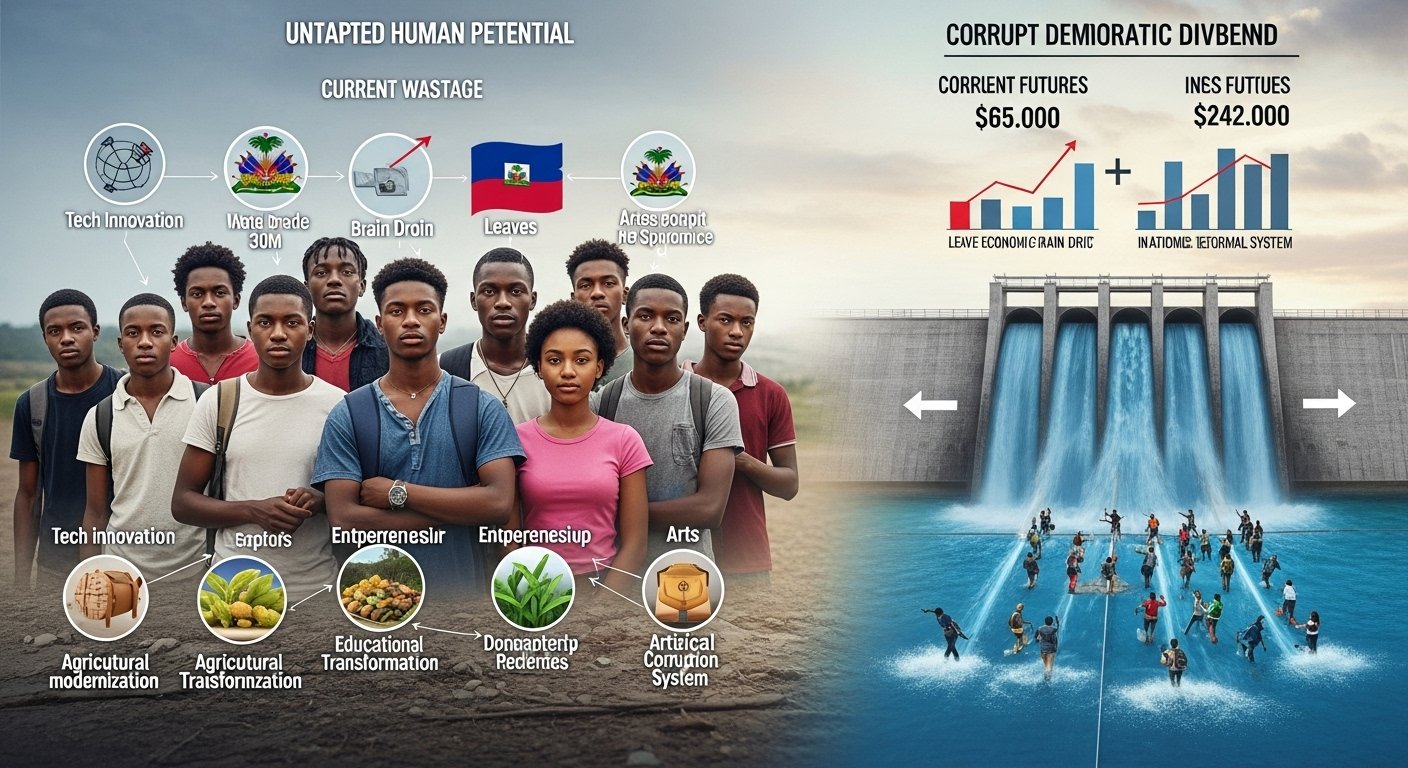
Discover the untapped potential of Haiti's youth as 60% are under 30. This article explores the massive opportunities corrupt leaders are leaving behind.
Haiti, a country with a vibrant culture and a young population, is facing a crisis. Corrupt leaders are hindering the progress of the youth, leaving their potential untapped.
The demographic reality of Haiti is stark: a significant portion of the population is under 30, bringing with them energy, innovation, and a desire to contribute to their country’s development. However, corruption is stifling their opportunities, preventing them from realizing their full potential.
With a majority of its population under the age of 30, Haiti is considered a youthful nation. This demographic reality has significant implications for the country’s development, economic growth, and social structures.
Haiti’s population is estimated to be around 11.5 million people, with approximately 60% under the age of 30. This youthful demographic is a critical component of the country’s potential for economic growth and development.
| Age Group | Percentage of Population | Regional Comparison |
|---|---|---|
| 0-14 years | 32% | Average for Latin America & Caribbean: 23% |
| 15-64 years | 60% | Average for Latin America & Caribbean: 65% |
| 65 years and above | 8% | Average for Latin America & Caribbean: 12% |
Compared to other countries in the Latin America and Caribbean region, Haiti has a relatively high percentage of young people. This demographic trend is similar to other developing countries, where high birth rates contribute to a youthful population.
Demographic Statistics: Haiti’s demographic statistics show a population that is not only young but also rapidly growing. Understanding these demographics is crucial for policymakers to develop strategies that cater to the needs of the young population, including education, employment, and healthcare.
Haitian youth are not just the leaders of tomorrow; they are actively shaping the country’s future today. Despite the challenges they face, they remain a vital force for change and development.
The potential of Haiti’s youth is vast, with their aspirations and endeavors being crucial elements in the country’s path forward.
Haitian youth have a strong desire for education, viewing it as a key to unlocking better opportunities. However, they often face significant barriers, including limited access to quality educational resources.
Key statistics highlighting the educational aspirations and challenges include:
| Indicator | Percentage |
|---|---|
| Youth with access to secondary education | 40% |
| Youth with access to higher education | 15% |
| Youth expressing a strong desire for education | 85% |
Despite the challenging economic environment, many Haitian youth are demonstrating an entrepreneurial spirit, seeking to create their own opportunities.
Examples of successful youth-led initiatives include:
The history of Haiti’s leadership is a complex narrative of corruption and its far-reaching consequences. To understand the current state of affairs, it’s essential to delve into the past and examine the patterns of corruption that have plagued the nation.
Haiti’s history has been marked by authoritarian regimes, starting with the Duvalier dynasty, which laid the groundwork for widespread corruption. The regime’s grip on power was characterized by nepotism, cronyism, and the misappropriation of funds. This era set a precedent for future leaders, who continued to exploit Haiti for personal gain.
The post-Duvalier era saw a continuation of corrupt practices, with various administrations failing to address the systemic issues. This has resulted in a lack of trust in government institutions and a persistent drain on the nation’s resources.
The pervasive corruption in Haiti’s leadership has had a devastating impact on national development. Funds meant for infrastructure, education, and healthcare have been diverted, leaving critical sectors underdeveloped. This mismanagement has particularly affected the youth, who face limited opportunities for education and employment.
The lack of investment in human capital has resulted in a significant brain drain, with many young Haitians seeking opportunities abroad. This not only deprives the country of its most valuable resource but also perpetuates a cycle of poverty and underdevelopment.
| Year | Corruption Index | Impact on Development |
|---|---|---|
| 1990 | High | Significant |
| 2000 | Very High | Severe |
| 2010 | High | Major |
Haiti’s youth, comprising over 60% of the population under 30, represents a vast, untapped resource that could drive the country’s development. This demographic dividend is a significant opportunity for economic growth, innovation, and social progress. However, the potential of this young population remains largely untapped due to various systemic challenges.
A young workforce can be a powerful engine for economic growth. In Haiti, this demographic could drive innovation, increase productivity, and contribute to the country’s GDP. According to the World Bank, a larger working-age population can lead to higher economic output if properly harnessed. “A young population can be a demographic dividend if the right policies are in place,” says a World Bank report. Investing in education and vocational training can equip Haitian youth with the skills needed to compete in the global economy.
The economic benefits of a young workforce are multifaceted. Not only can they contribute to the labor market, but they can also drive entrepreneurship and innovation. By creating an enabling environment, Haiti can unlock the entrepreneurial spirit of its youth, leading to job creation and economic diversification.
Despite the potential, Haitian youth face numerous systemic barriers that stifle their creativity and innovation. Corruption, lack of access to quality education, and limited economic opportunities hinder their ability to contribute effectively to the economy. As a result, many young Haitians are forced to seek opportunities abroad, leading to a brain drain that deprives the country of its most valuable resource.
“The future belongs to those who believe in the beauty of their dreams.” This quote by Eleanor Roosevelt underscores the importance of nurturing the aspirations of young people. By addressing the systemic barriers and investing in their development, Haiti can unlock the potential of its youth and pave the way for a brighter future.
To overcome these challenges, it is essential to implement policies that promote transparency, improve education, and foster economic opportunities. By doing so, Haiti can create an environment where its young population can thrive, driving the country towards sustainable development and prosperity.
The brain drain in Haiti is not just a loss of talent; it’s a loss of potential for the country’s economic and social growth. As many young Haitians seek opportunities abroad, the nation is left grappling with the consequences of this exodus.
Educated Haitian youth are increasingly migrating to countries that offer better career prospects and living conditions. This migration is driven by a lack of opportunities in Haiti, where economic instability and limited career advancement prospects prevail.
The primary destinations for these migrants include the United States, Canada, and France, where they often find work in their fields of expertise. However, this migration comes at a significant cost to Haiti, as it loses the very talent it needs to develop.
The economic costs of the brain drain are substantial. Haiti invests in the education of its youth, only to see them leave and contribute to the economies of other countries. This loss of human capital hampers Haiti’s ability to innovate and grow economically.
Socially, the impact is also profound. The departure of young, educated individuals leaves a gap in leadership and innovation within Haiti. It also affects the country’s ability to address its social challenges, as the talent needed to drive change is elsewhere.
To mitigate this crisis, it’s essential for Haiti to create an environment that retains its talent. This involves addressing corruption, improving economic opportunities, and fostering a culture that encourages innovation and entrepreneurship.
In Haiti, corruption is a major obstacle to youth development, as funds meant for education and development are often misappropriated. The consequences of such corruption are far-reaching, affecting not just the individual but the nation as a whole. The youth are the backbone of any society, and their development is crucial for the future prosperity of Haiti.
Corruption manifests in various forms, but its impact on youth development is particularly damaging. When funds allocated for education and youth development programs are misappropriated, it directly affects the quality of services provided.
The misappropriation of funds meant for education and youth development is a significant issue. Funds that are supposed to improve educational infrastructure, provide scholarships, or support youth initiatives are often diverted. This not only hampers the development of young individuals but also undermines the potential for societal progress.
“Corruption is a cancer that eats away at the fabric of our society, depriving our youth of the opportunities they deserve.”
Nepotism and cronyism are other facets of corruption that directly impact youth development. When positions and opportunities are given based on connections rather than merit, it discourages talented young individuals. This practice stifles innovation and creativity, as the most capable are often overlooked in favor of those with the right connections.
The result is a lost generation of potential leaders and innovators who are either forced to seek opportunities abroad or become disillusioned with the system.
Despite facing numerous challenges, Haiti has several sectors with untapped potential that could drive economic growth and development. These sectors not only offer opportunities for investment but also have the potential to create jobs and stimulate innovation.
Agriculture is a significant sector in Haiti, with a large portion of the population engaged in farming activities. However, the sector is underdeveloped and faces challenges such as lack of infrastructure, limited access to markets, and outdated farming practices. Investing in modern agricultural techniques and improving infrastructure could significantly boost productivity and food security.
Agricultural Development Opportunities:
Haiti’s rich cultural heritage and natural beauty make it an attractive destination for tourists. The sector has vast potential for growth, with opportunities in eco-tourism, cultural tourism, and adventure tourism. Developing tourism infrastructure and promoting Haiti’s unique cultural and natural assets could attract more visitors and generate significant revenue.
Haiti has significant potential for renewable energy, particularly solar and wind energy. Developing renewable energy projects could reduce the country’s reliance on fossil fuels, lower energy costs, and contribute to a more sustainable environment. Investments in renewable energy could also create new job opportunities and stimulate local economies.
| Sector | Potential Benefits | Investment Opportunities |
|---|---|---|
| Agriculture | Improved food security, job creation | Modern farming techniques, irrigation systems |
| Tourism | Economic growth, cultural exchange | Tourism infrastructure, cultural heritage preservation |
| Renewable Energy | Sustainable energy, reduced costs | Solar and wind energy projects |
Despite facing numerous challenges, Haiti’s tech community is thriving, showcasing the country’s potential for digital innovation. The digital revolution in Haiti is gaining momentum, driven by a young population eager to embrace technology.
Haiti has made significant strides in improving digital access, with mobile phone penetration and internet availability on the rise. According to recent statistics, over 60% of Haitians have access to mobile internet, a crucial factor in the country’s digital growth.
Key Statistics:
| Indicator | Percentage |
|---|---|
| Mobile Phone Penetration | 80% |
| Internet Access | 60% |
| Digital Literacy | 40% |
Several Haitian startups have made a mark in the tech world, leveraging the country’s creative talent and entrepreneurial spirit. For instance, companies like Digicel and Access Haiti have pioneered digital solutions in telecommunications and financial services, respectively.
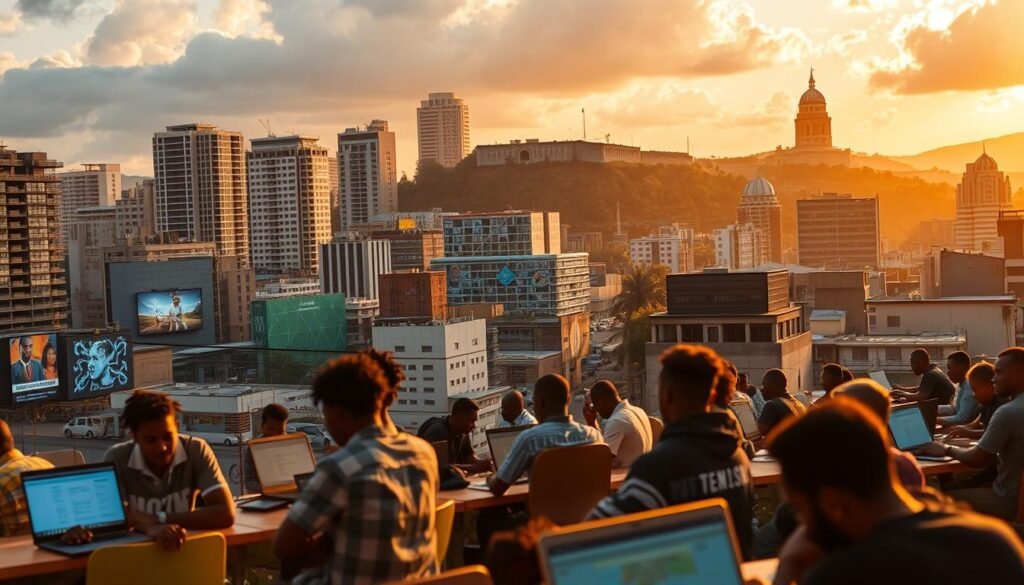
Technology has the potential to revolutionize Haiti’s economy by creating new job opportunities, enhancing productivity, and improving access to services. Digital platforms can connect Haitian businesses to global markets, fostering economic growth and development.
With determination and resilience, Haiti’s young people are spearheading movements that aim to transform their country. These youth-led initiatives are crucial in addressing the systemic issues that have long plagued Haiti, including corruption and lack of opportunities.
The role of grassroots organizations has been pivotal in this movement. Groups such as the Haitian Youth Forum for Democracy and the National Youth Council have been instrumental in mobilizing young people around issues like education, employment, and governance.
Grassroots organizations are at the heart of Haiti’s youth movement, providing a platform for young people to engage in activism and community development. These organizations focus on a range of issues, from environmental conservation to social justice.
For instance, the Haitian organization “Kò Ayisyen” works to empower young people through education and cultural activities, promoting Haitian identity and community cohesion.
| Organization | Focus Area | Impact |
|---|---|---|
| Haitian Youth Forum for Democracy | Democracy and Governance | Mobilizing youth for democratic participation |
| National Youth Council | Youth Empowerment | Advocating for youth rights and opportunities |
| Kò Ayisyen | Cultural Empowerment | Promoting Haitian culture and identity |
Haitian youth are also engaging in political activism, challenging corrupt systems and demanding better governance. Through protests, social media campaigns, and community organizing, they are pushing for change.
Cultural resistance is another powerful tool used by Haitian youth. By celebrating their heritage and promoting Haitian art and culture, they are asserting their identity and resisting the cultural erasure that has often accompanied foreign intervention.
The impact of these movements is significant, not just in terms of the specific changes they advocate for, but also in the way they are shifting the narrative around Haitian youth. No longer seen as merely the future, they are now recognized as active agents of change in the present.
Haiti’s future hinges on its ability to harness the energy and creativity of its youth. To achieve this, several key strategies must be implemented to address the systemic barriers that currently hinder the development of young Haitians.
One of the primary steps towards unlocking Haiti’s youth potential is through governance reforms aimed at combating corruption. This involves strengthening institutions, enhancing transparency, and ensuring accountability in government dealings. By doing so, resources allocated for youth development programs can be effectively utilized, reducing misappropriation and ensuring that initiatives reach their intended beneficiaries.
For instance, implementing digital systems for financial transactions and project management can significantly reduce corruption. Moreover, fostering a culture of transparency and accountability within government agencies can encourage a merit-based system, providing opportunities for young Haitians to advance based on their skills and talents.
Education and skills development are crucial for empowering Haiti’s youth. Initiatives in this area should focus on improving the quality of education, making it more relevant to the job market, and providing vocational training that equips young people with the skills needed to compete globally. Public-private partnerships can play a significant role in developing curricula that are aligned with industry needs, thereby enhancing employability.
Additionally, programs that promote digital literacy can open up new opportunities for Haitian youth in the tech industry, both locally and internationally. By investing in education and skills development, Haiti can build a workforce that is capable of driving innovation and economic growth.
Creating economic opportunities within Haiti is vital for retaining its youth and leveraging their potential for national development. This can be achieved by supporting entrepreneurship, particularly among young people, through access to finance, mentorship programs, and business incubators. Encouraging innovation and providing the necessary support can lead to the creation of new businesses, jobs, and industries.
| Sector | Potential Opportunities | Impact |
|---|---|---|
| Agriculture | Agro-processing, organic farming | Job creation, food security |
| Tourism | Ecotourism, cultural heritage sites | Economic growth, cultural preservation |
| Renewable Energy | Solar, wind energy projects | Sustainable energy, reduced costs |
By focusing on these sectors and creating an enabling environment, Haiti can unlock new economic opportunities, thereby retaining its youth and fostering development.
Haiti’s youth represent a significant demographic, with 60% of the population under 30. This youthful energy is a double-edged sword; it holds the key to the nation’s future prospects, yet it is often stifled by systemic corruption and lack of opportunities.
The potential of Haiti’s youth is undeniable, with their entrepreneurial spirit, educational aspirations, and desire for change. However, they face numerous challenges, from limited access to quality education and job opportunities to the brain drain crisis that sees many talented individuals leave the country.
Fighting for change requires a multifaceted approach, including governance reforms, education and skills development initiatives, and creating economic opportunities within Haiti. By unlocking the youth potential, Haiti can harness the energy and creativity of its young population to drive innovation and growth.
The future is worth fighting for, and with collective effort, Haiti can overcome its current challenges and build a brighter future for its youth. By working together, the nation can unlock its true potential and create a prosperous and sustainable future.
Haiti has a predominantly young population, with a significant proportion under the age of 30, presenting both opportunities and challenges for the country’s development.
Haiti’s youthful population is consistent with broader regional trends in the Caribbean and Latin America, where many countries also have young populations, but the specific challenges and opportunities can vary significantly.
Despite facing numerous challenges, Haitian youth have high educational aspirations, driven by a desire to improve their socio-economic circumstances and contribute to their country’s development.
Corruption has a debilitating effect on Haiti’s national development, limiting opportunities for youth by misappropriating resources that could be used for education, infrastructure, and other critical sectors.
Haiti’s young workforce represents a significant economic potential, capable of driving growth, innovation, and development if provided with the right opportunities, training, and support.
The brain drain crisis results in the loss of talented and educated Haitian youth to other countries, leading to a significant economic and social cost for Haiti, as it loses the very individuals who could contribute to its development.
Sectors such as agriculture, tourism, and renewable energy hold significant untapped potential in Haiti, offering opportunities for growth, job creation, and economic development.
Technology has the potential to transform Haiti’s economy by improving access to information, enhancing productivity, and creating new opportunities for entrepreneurship and innovation, thereby driving economic growth and development.
Youth-led movements are playing a crucial role in driving change in Haiti, through grassroots organizations, political activism, and cultural resistance, pushing for reforms and improvements in governance and socio-economic conditions.
Pathways to unlocking Haiti’s youth potential include governance reforms to combat corruption, education and skills development initiatives, and creating economic opportunities within Haiti, all of which can help to harness the energy and aspirations of Haitian youth.