Physical Address
304 North Cardinal St.
Dorchester Center, MA 02124
Physical Address
304 North Cardinal St.
Dorchester Center, MA 02124
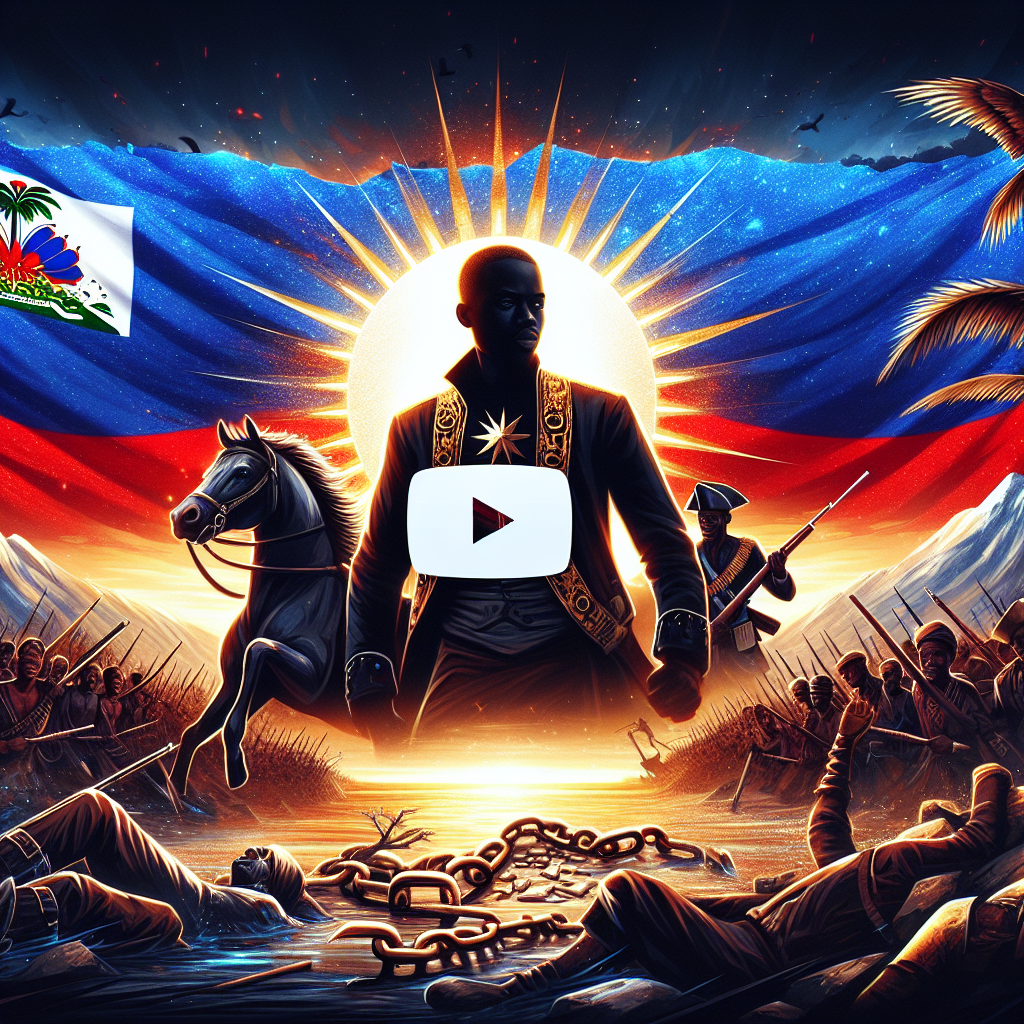
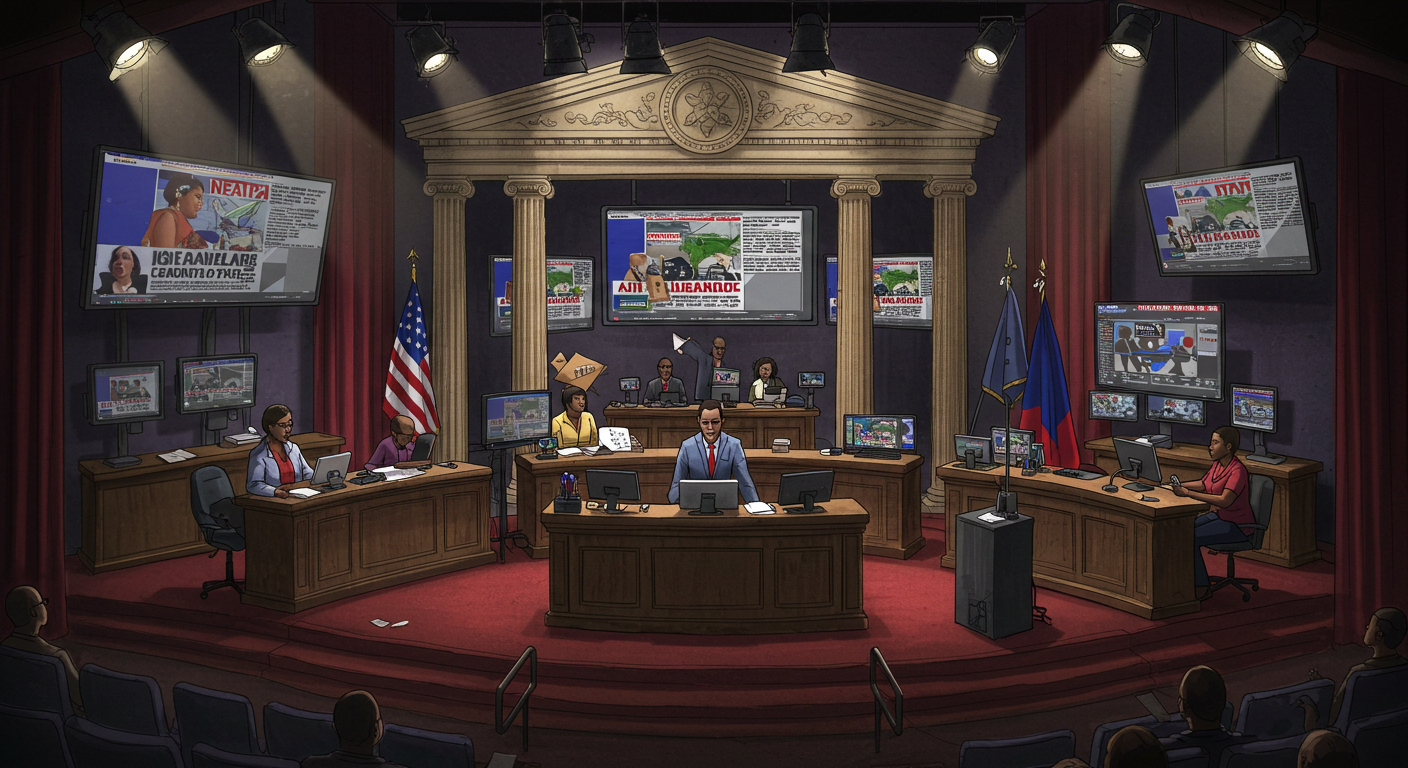
Uncover the Fourth Estate's failure in Haiti and the high cost to the country's democratic process.
In Haiti, the media plays a crucial role in shaping the country’s democratic processes. However, corruption within the media has undermined its integrity, affecting the nation’s ability to maintain a healthy democracy.
The influence of media corruption on democracy in Haiti is profound. When media outlets are compromised, they fail to provide unbiased information, leading to a misinformed public and undermining democratic institutions.
A free and independent media is essential for a functioning democracy. In Haiti, the failure of the media to uphold these principles has had significant consequences, impacting the country’s ability to foster democratic growth and stability.
The media’s function in democracies is multifaceted, serving as both a watchdog and a facilitator of informed public discourse. A robust media landscape is essential for the functioning of democratic processes.
The term “Fourth Estate” originates from the idea that the media constitutes a separate and influential branch of power, alongside the legislative, executive, and judicial branches. This concept underscores the media’s critical role in holding those in power accountable.
As a watchdog, the media scrutinizes government actions, ensuring transparency and accountability. This role is crucial in preventing corruption and abuse of power.
A free press is fundamental to an informed citizenry. By providing accurate and unbiased information, the media enables citizens to make informed decisions, thereby strengthening democratic participation.
| Key Media Functions | Description | Impact on Democracy |
|---|---|---|
| Watchdog Journalism | Scrutinizes government and corporate actions | Prevents corruption and abuse of power |
| Informed Public Discourse | Facilitates discussion on critical issues | Enhances citizen engagement and participation |
| Transparency and Accountability | Monitors and reports on government activities | Promotes good governance and trust in institutions |
The history of Haiti’s media is a complex narrative of struggle and resilience. From its early days of independence to the current digital age, Haiti’s media has navigated through periods of freedom and oppression, shaping and being shaped by the country’s tumultuous political landscape.
In the aftermath of Haiti’s independence in 1804, the media played a crucial role in nation-building. Early newspapers served not only as sources of information but also as tools for political expression and debate. They were instrumental in shaping the young nation’s identity and discussing the issues of the time.
The Duvalier regimes, which lasted from 1957 to 1986, marked a dark period for Haiti’s media. The government exerted strict control over media outlets, suppressing any form of dissent.
Censorship was rampant, with the government closely monitoring media content. Journalists lived under the threat of arrest and persecution, leading to a culture of self-censorship.
Despite the oppressive environment, underground press movements emerged, using clandestine publications to disseminate anti-government messages. These movements were crucial in keeping the spirit of resistance alive.
Following the fall of the Duvalier regime, Haiti’s media landscape began to transform. New outlets emerged, and there was a gradual shift towards more independent and diverse media voices.
Understanding the Haitian media ecosystem requires examining the ownership structures, political leanings of major outlets, and the growing role of digital media.
The ownership patterns in Haitian media are complex, with many outlets being owned by individuals or families with significant political influence. This can lead to biased reporting and a lack of diverse viewpoints.
Major media outlets in Haiti often have clear political affiliations, which can affect their coverage. For instance, some outlets may favor the government, while others may be critical.
Digital media is on the rise in Haiti, offering new avenues for information dissemination. However, it faces challenges such as limited internet penetration.
Despite the growth of digital media, internet penetration remains a significant barrier, limiting access to online content for many Haitians.
Social media platforms are increasingly used among Haitians, both within the country and in the diaspora, to consume and share news.
Haiti’s Fourth Estate is failing due to widespread media corruption and unethical journalism practices. This failure has significant implications for the country’s democratic processes and the public’s trust in the media.
Media corruption in Haiti encompasses various practices, including bribery, biased reporting, and the manipulation of information to serve political or financial interests. This corruption undermines the media’s role as a watchdog, instead turning it into a tool for those in power.
Systemic issues, such as lack of transparency, inadequate regulations, and insufficient training for journalists, contribute to the prevalence of media corruption. These issues are deeply ingrained in Haiti’s media landscape, making it challenging to implement reforms.
Journalists in Haiti often face ethical dilemmas, including pressure to report favorably on certain political figures or parties in exchange for financial incentives. This compromises the integrity of journalism, leading to a loss of public trust in the media.
The failure of Haiti’s Fourth Estate highlights the need for comprehensive reforms to address media corruption and promote ethical journalism practices. By understanding the systemic issues and ethical compromises, it’s possible to begin rebuilding the media’s role in supporting democracy.
Haiti’s media landscape is significantly influenced by political patronage and media capture. This phenomenon has far-reaching implications for the independence and integrity of the media, ultimately affecting the democratic processes in the country.
The ownership structure of media outlets in Haiti often reflects the country’s political dynamics. Many media houses are owned or sponsored by individuals with political affiliations or interests. This close relationship between media ownership and political power can lead to biased reporting and a lack of critical coverage of government activities.
Editorial independence is crucial for a free press, allowing journalists to report without external pressures. However, in Haiti, political patronage often compromises this independence. Media outlets may receive financial support or other benefits from political figures or parties in exchange for favorable coverage, leading to a skewed representation of news.
Partisan reporting is a common outcome of political patronage and media capture. Media outlets may align their reporting to support specific political ideologies or candidates, rather than providing balanced coverage. This partisan bias can be observed in various forms of media content, from news articles to opinion pieces.
During election periods, the partisan nature of media reporting becomes particularly evident. Media outlets may give disproportionate coverage to their preferred candidates, while minimizing or misrepresenting the campaigns of their opponents. For instance:
This biased coverage can significantly influence public opinion and voter perception, potentially affecting election outcomes.
Understanding the economic factors behind Haiti’s media corruption requires a closer look at the financial sustainability of independent media. The financial health of media outlets is crucial in determining their independence and ability to report without bias.
Independent media in Haiti face significant financial challenges. These include limited revenue streams, high operational costs, and a lack of financial support from local businesses or international donors. As a result, many media outlets struggle to maintain their independence.
Financial instability can lead to a reliance on other, potentially biased, sources of funding. This can compromise the integrity of the media and its ability to serve as a watchdog for democratic processes.
Advertising revenue is a critical source of income for many media outlets. However, in Haiti, this revenue stream is often used as a tool for political control. Politicians and government entities can influence media coverage by allocating or withholding advertising funds.
This practice creates an uneven playing field, where media outlets that are critical of the government may find themselves at a financial disadvantage. It can lead to self-censorship and a reduction in critical reporting.
Journalists in Haiti often face significant ethical dilemmas due to poor compensation. Low salaries can make journalists more susceptible to bribery or “pay-for-coverage” practices, where they are paid to provide favorable coverage.
The “pay-for-coverage” practice is a significant issue in Haitian journalism. It not only compromises the integrity of individual journalists but also undermines the credibility of the media as a whole. This practice is a symptom of deeper financial sustainability issues within the media sector.
Addressing these economic factors is crucial to improving the integrity of Haiti’s media and ensuring that it can fulfill its role as a watchdog for democracy.
Haitian journalists operate in a perilous environment where physical threats and legal harassment are commonplace. The safety of media professionals is a significant concern, impacting their ability to report freely and hold those in power accountable.
Journalists in Haiti often face physical threats, including violence and intimidation, which can lead to a chilling effect on free speech. These threats can come from various sources, including political groups and corrupt officials.
Legal harassment is another tool used to silence journalists. Lawsuits and legal threats can be used to intimidate media professionals, making it difficult for them to continue their work without fear of reprisal.
In response to these threats, many journalists resort to self-censorship as a means of survival. By avoiding certain topics or stories, journalists can reduce their risk of facing physical or legal repercussions.
The issue of journalist safety and intimidation in Haiti highlights the need for stronger protections for media professionals and a more robust commitment to press freedom.
Media manipulation in Haiti is a pervasive issue, affecting the coverage of electoral processes, government corruption scandals, and crises. This manipulation can significantly influence public perception and undermine democratic processes.
During electoral processes, media manipulation can manifest through biased reporting, selective coverage, and the dissemination of misinformation. For instance, some media outlets may give preferential coverage to certain candidates, thereby influencing voter perceptions.
The media’s role in reporting government corruption scandals is crucial for transparency and accountability. However, in Haiti, this role is often compromised by political affiliations and economic pressures. As a result, corruption scandals may be underreported or misrepresented.
Crisis reporting, such as during natural disasters or political unrest, can also be subject to biases. For example, the media narrative during the 2010 earthquake was influenced by various factors, including government and international aid narratives.
The media coverage of the 2010 earthquake highlighted the challenges faced by Haitian media during crises. The narrative was often shaped by external factors, including international aid efforts and government responses.
Political protests are another area where media manipulation can occur. The coverage may be influenced by the political affiliations of media outlets, leading to biased reporting that either supports or opposes the protests.
In conclusion, media manipulation in Haiti is a complex issue that affects various aspects of reporting, from electoral processes to crisis coverage. Understanding these dynamics is crucial for promoting a more independent and objective media landscape.
Haiti’s democratic fabric is threatened by the pervasive distortion of media narratives. The manipulation of information has become a critical issue, affecting various aspects of democratic processes.
The distortion of media information significantly impacts voter knowledge and decision-making. When media outlets present biased or manipulated news, voters are less likely to make informed choices. This can lead to the election of candidates who may not represent the true interests of the populace.
Media distortion also erodes public trust in democratic institutions. When citizens are exposed to manipulated information, they may lose faith in the electoral process, government, and other democratic bodies. This mistrust can lead to widespread disillusionment and decreased civic engagement.
The weakening of civil society is another consequence of media distortion. As misinformation spreads, civil society organizations may struggle to promote their causes effectively. This can result in a less active and less informed citizenry, further weakening democratic structures.
Disinformation campaigns, often orchestrated through media channels, have a profound impact on democratic processes. These campaigns can sway public opinion, influence electoral outcomes, and undermine trust in institutions. The effects are far-reaching, contributing to the overall erosion of democracy.
| Aspect of Democracy | Effect of Media Distortion | Consequence |
|---|---|---|
| Voter Information | Biased or manipulated news | Poor decision-making |
| Public Trust | Loss of faith in institutions | Disillusionment and decreased civic engagement |
| Civil Society | Misinformation spread | Less active and informed citizenry |
In conclusion, the distortion of media in Haiti has severe implications for the country’s democratic health. Addressing this issue is crucial to preserving democratic institutions and processes.
In Haiti, social media has become a crucial component of the media landscape, influencing how news is disseminated and consumed. With the proliferation of smartphones and internet access, platforms like WhatsApp and Facebook have emerged as primary sources of news and information.
WhatsApp and Facebook have changed the way Haitians access news. These platforms provide real-time updates and have become essential for both news consumption and sharing. Social media has bridged geographical gaps, enabling users to stay informed about local and international news.
However, the reliance on social media for news has also led to the spread of misinformation. False information can spread rapidly, potentially destabilizing the social and political environment. Efforts to combat misinformation are crucial to maintaining information integrity.
The Haitian diaspora plays a significant role in shaping the narrative on social media. Through platforms like WhatsApp and Facebook, the diaspora can influence public opinion and political discourse in Haiti. This influence can have both positive and negative impacts, depending on the nature of the information being shared.
International media coverage of Haiti has significant implications for the country’s reputation and development. The way Haiti is portrayed in the global media can influence public perception, policy decisions, and even aid distribution.
Foreign media often focus on negative aspects such as poverty, natural disasters, and political instability, perpetuating stereotypes that Haiti is a country in perpetual crisis. This limited perspective can overshadow the country’s rich culture, resilience, and progress.
The Haitian diaspora plays a crucial role in shaping international media coverage through their own media outlets and social platforms. They offer diverse perspectives, challenging some stereotypes while sometimes reinforcing others, depending on their individual experiences and viewpoints.
International aid has been instrumental in supporting Haitian media, providing training, resources, and infrastructure. However, the effectiveness of this aid varies.
Some initiatives have successfully enhanced journalistic standards and investigative reporting. Conversely, others have faced challenges such as political interference and unsustainable models, highlighting the need for careful planning and local engagement.
Reforming Haiti’s media landscape is crucial for strengthening democracy and ensuring a well-informed citizenry. Various initiatives are underway to address the systemic issues plaguing the media sector.
Establishing robust media regulatory frameworks is essential for promoting ethical journalism practices. Efforts to develop and implement these frameworks are critical for ensuring compliance with international standards.
Training programs for journalists are vital for enhancing their skills and promoting professionalization. These initiatives help journalists navigate complex reporting environments and adhere to ethical standards.
Civil society plays a crucial role in monitoring media practices and advocating for media integrity. Initiatives led by civil society organizations help track media performance and push for reforms.
International support is crucial for bolstering media independence in Haiti. Aid programs focused on media development help build capacity and promote independent journalism.
| Initiative | Focus | Impact |
|---|---|---|
| Media Regulatory Frameworks | Promoting ethical journalism | Enhanced compliance with international standards |
| Journalist Training | Professionalization | Improved reporting quality |
| Civil Society Monitoring | Media integrity advocacy | Increased accountability |
Haiti’s democratic processes are intricately linked with the health of its media landscape. Rebuilding the Fourth Estate is crucial for supporting democratic democracy and ensuring that the media serves as a watchdog for democratic processes.
The current state of Haitian media, marred by corruption, political patronage, and economic challenges, underscores the need for comprehensive media reform. Efforts to rebuild Haiti’s Fourth Estate must involve the government, civil society, and the international community working together to promote media independence and professionalism.
Rebuilding the Fourth Estate requires a multi-faceted approach, including strengthening media regulatory frameworks, enhancing journalist training, and supporting civil society media monitoring initiatives. By doing so, Haiti can foster a free, independent, and professional media that supports democratic processes and promotes an informed citizenry.
The media plays a critical role in democratic societies by serving as a watchdog over government and other powerful entities, providing citizens with the information they need to make informed decisions, and holding power accountable.
Haiti’s media landscape has evolved significantly, from the post-independence period through the Duvalier regimes and into the post-dictatorship era, with challenges such as censorship and state control shaping its development.
Media corruption in Haiti involves systemic issues within media operations, ethical compromises in journalism practices, and the influence of political patronage and media capture, which undermine the independence and integrity of the media.
Economic factors, including financial sustainability challenges for independent media, the use of advertising as a tool for political control, and poor journalist compensation, drive media corruption in Haiti.
Journalists in Haiti face physical threats, legal harassment, and intimidation, leading to self-censorship as a survival mechanism, which compromises their ability to report freely and hold power accountable.
Media manipulation in Haiti occurs through biased reporting, selective coverage, and the spread of misinformation, which can distort public perception, influence voter choices, and erode trust in democratic institutions.
Social media platforms like WhatsApp and Facebook serve as significant news sources in Haiti, but also present challenges related to the spread of misinformation and the influence of the diaspora.
Rebuilding Haiti’s Fourth Estate requires concerted efforts from various stakeholders, including the government, civil society, and the international community, to support media reform, journalist training, and the development of independent media outlets.
International media coverage often perpetuates stereotypes and representations that can negatively impact Haiti’s image, highlighting the need for more nuanced and accurate reporting.
Efforts to reform Haiti’s media include the development of media regulatory frameworks, journalist training and professionalization initiatives, and civil society media monitoring initiatives, as well as international support for media independence.