Physical Address
304 North Cardinal St.
Dorchester Center, MA 02124
Physical Address
304 North Cardinal St.
Dorchester Center, MA 02124

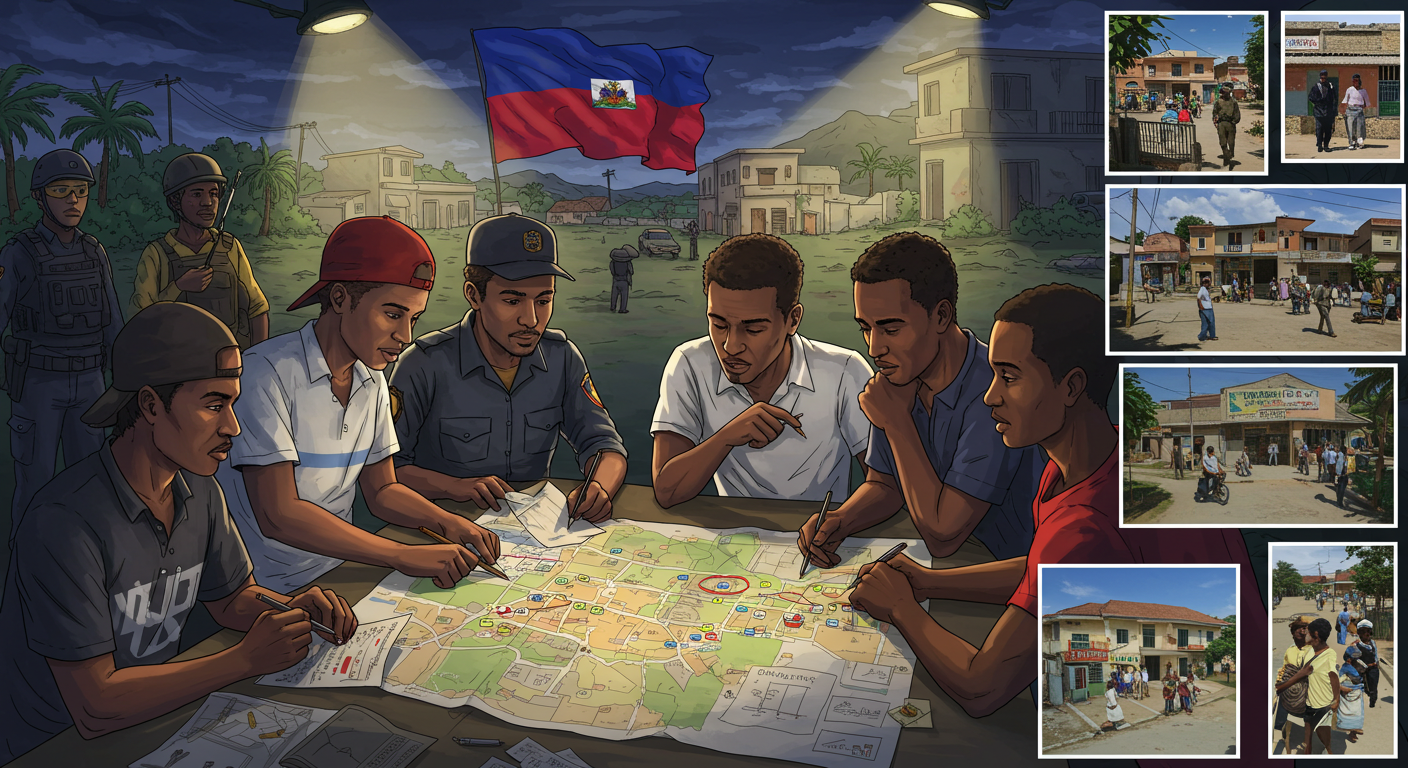
Discover how Haiti's future depends on local solutions, not foreign imports, for true security from within.
Haiti is facing significant security challenges that threaten its stability and future. The country’s reliance on foreign intervention has sparked debate about the effectiveness of such approaches.
Proponents of local solutions argue that Haitian-led initiatives are crucial for addressing the root causes of insecurity. By empowering local communities and fostering self-reliance, Haiti can develop more sustainable and effective security strategies.
Gang violence and the collapse of government authority have plunged Haiti into a deep security crisis. The situation on the ground is dire, with various factors contributing to the escalating violence.
Gang violence has become a pervasive issue in Haiti, with armed groups controlling large swaths of territory. The escalation is attributed to various factors, including economic desperation and political manipulation.
Urban areas, particularly in Port-au-Prince, have been significantly affected by gang violence. Communities are caught in the crossfire, with many residents displaced or living in constant fear.
The root causes of gang proliferation are complex, involving poverty, lack of opportunities, and political instability. Addressing these underlying issues is crucial to mitigating gang violence.
The collapse of government authority has created a power vacuum that gangs have exploited. Restoring effective governance is essential to reestablishing security.
The humanitarian impact of the security crisis is severe, with many Haitians facing food insecurity, displacement, and lack of access to basic services. The crisis has exacerbated existing vulnerabilities.
The legacy of foreign intervention in Haiti is complex, with roots tracing back to colonial rule. This historical context is crucial in understanding the current security crisis in Haiti.
Haiti’s history has been shaped by various forms of foreign intervention, starting from its colonization by France. This legacy continued through the 20th century with interventions from the United States and later, the United Nations.
The United Nations has played a significant role in Haiti’s security through missions like MINUSTAH and BINUH. These missions have had mixed results.
While MINUSTAH and BINUH have contributed to stabilizing certain areas, their overall impact has been limited by factors such as inadequate resources and lack of local engagement.
Both MINUSTAH and BINUH have been marred by controversies, including allegations of sexual misconduct and the introduction of cholera, which had devastating consequences for the local population.
The reliance on foreign intervention has led to unintended consequences, including undermining local authority and creating dependencies on external aid. As Alex Dupuy, a Haitian scholar, noted, “Foreign intervention often disrupts local dynamics, leading to further instability.”
The historical context of foreign intervention in Haiti highlights the need for a shift towards local solutions, rather than relying solely on external interventions.
The history of foreign intervention in Haiti’s security sector has shown that such approaches are not only ineffective in the long term but also detrimental to local capacities. This section examines the specific reasons behind the failure of these models.
Several foreign security missions have been implemented in Haiti, with varying degrees of success. However, most have ultimately failed to achieve their objectives. For instance, the UN Stabilization Mission in Haiti (MINUSTAH) was criticized for its handling of a cholera outbreak and for perpetuating a culture of dependency among Haitians.
One of the primary reasons for the failure of imported security models is their lack of cultural sensitivity. Security solutions that work in one cultural context may not be applicable in another. For example, community-based security initiatives that are successful in some parts of the world may not resonate with Haitian communities due to different social structures and cultural norms.
Foreign aid, while often necessary in the short term, can create long-term economic dependencies that undermine local capacities. In Haiti, the influx of foreign aid has sometimes led to a reliance on external funding for security initiatives, rather than encouraging self-sustainability.
| Aspect | Imported Security Models | Local Security Initiatives |
|---|---|---|
| Cultural Sensitivity | Often lacks cultural understanding | Tailored to local cultural context |
| Economic Impact | Creates dependency on foreign aid | Fosters economic self-sustainability |
| Long-term Effectiveness | Typically fails to provide lasting security | More likely to achieve long-term security |
The concept of ‘Security From Within’ emphasizes the importance of local ownership in addressing Haiti’s security challenges. This approach focuses on empowering local communities to develop and implement their own security strategies, rather than relying on external interventions.
‘Security From Within’ refers to the ability of local communities to take ownership of their security needs, creating solutions that are tailored to their specific context and challenges. This approach recognizes that external solutions often fail to address the root causes of insecurity and instead may exacerbate the problem.
The philosophical basis for local ownership is rooted in the understanding that security is a fundamental human right that must be protected at the community level. By empowering local communities, we can ensure that security measures are responsive to their needs and are sustainable in the long term.
There are several examples of successful local security initiatives in Haiti, including urban community organizing and rural self-protection strategies.
Urban community organizing involves the mobilization of community members to address security concerns through collective action. This can include neighborhood watch programs and community policing initiatives.
Rural self-protection strategies involve the development of community-led security measures, such as local patrols and community defense groups, to protect against gang violence and other security threats.
By supporting local security initiatives, Haiti can move towards a more sustainable and equitable security framework that prioritizes the needs and perspectives of its citizens.
Community-based security in Haiti is not just a necessity; it’s a thriving reality. Despite the challenges posed by gang violence and governmental instability, local communities have developed robust security mechanisms.
Traditional conflict resolution mechanisms have long been a part of Haitian culture. These mechanisms, often led by community elders, focus on mediation and reconciliation, providing a sustainable and culturally appropriate approach to conflict resolution.
Grassroots neighborhood watch programs are another vital component of community-based security in Haiti. These programs empower local residents to take an active role in maintaining security, fostering a sense of community and cooperation.
Key aspects of these programs include:
Civil society organizations play a crucial role in enhancing security through various initiatives. These initiatives range from providing support to victims of violence to advocating for policy changes that promote community safety.
By supporting and strengthening these community-based security structures, Haiti can move towards a more stable and secure future.
Haiti’s National Police faces numerous challenges that need to be addressed through comprehensive reform efforts. The effectiveness of the Haitian National Police (HNP) is crucial for the country’s security and stability.
The HNP is confronted with significant obstacles, including limited resources and corruption. These challenges undermine the police force’s ability to maintain law and order.
Insufficient funding and lack of equipment hinder the HNP’s operational capacity. This limitation affects their ability to respond to emergencies and maintain public safety.
Corruption within the HNP is a significant issue, with some members being infiltrated by gangs or involved in criminal activities. This compromises the integrity of the police force.
Reform initiatives led by Haitian professionals are underway to address the challenges facing the HNP. These efforts focus on improving training, enhancing accountability, and reducing corruption.
To effectively rebuild the HNP, resources such as modern equipment, advanced training programs, and sufficient funding are necessary. Community engagement and trust-building initiatives are also crucial.
| Resource | Description | Benefit |
|---|---|---|
| Modern Equipment | Up-to-date technology and gear for policing | Enhanced operational efficiency |
| Advanced Training | Specialized training for police officers | Improved response to security threats |
| Community Engagement | Programs to build trust between police and community | Increased public cooperation and safety |

Civil society in Haiti is driving change by implementing security initiatives that are grounded in local realities and needs. This approach is crucial in addressing the complex security challenges facing the country.
Women-led peace initiatives have been instrumental in promoting peace and stability in various communities across Haiti. These initiatives often focus on mediation, conflict resolution, and community rebuilding. For instance, women’s groups have been at the forefront of organizing peace marches and advocating for the protection of human rights.
Key Activities of Women-Led Initiatives:
Youth engagement programs are another vital component of civil society’s efforts to improve security in Haiti. These programs aim to empower young people with skills, education, and opportunities, thereby reducing their vulnerability to gang recruitment and violence.
| Program Type | Description | Impact |
|---|---|---|
| Vocational Training | Provides young people with skills in areas like carpentry, tailoring, and mechanics | Reduces unemployment and vulnerability to gangs |
| Education and Mentorship | Offers educational support and mentorship to help young people make informed choices | Enhances educational outcomes and life choices |
Religious institutions play a significant role in Haitian society and are increasingly being recognized as partners in security efforts. Their influence extends to providing safe havens, mediating conflicts, and promoting peace.
Churches and other religious buildings have become safe havens for many Haitians seeking refuge from violence. These spaces provide not only physical safety but also emotional and spiritual support.
Faith-based conflict mediation involves religious leaders using their influence to resolve disputes and promote reconciliation. This approach has been effective in addressing local conflicts and contributing to broader peacebuilding efforts.
“Faith leaders have a unique position in society, allowing them to bring conflicting parties together and facilitate dialogue.”
The foundation for a secure Haiti lies in its economic development. Economic security is fundamental to ensuring the physical safety of Haitians, as it addresses the root causes of vulnerability and violence.
Investing in local economic development is a critical strategy for enhancing security in Haiti. By creating jobs and stimulating economic growth, local communities become less vulnerable to gang violence and other security threats.
For instance, initiatives that support small businesses and entrepreneurship can help reduce unemployment, particularly among young people who are often targeted by gangs. Local economic development not only improves living standards but also fosters a sense of community and stability.
Economic opportunities can significantly reduce the vulnerability of individuals and communities to violence. When people have access to stable income and resources, they are less likely to be coerced or tempted into criminal activities.
“Economic empowerment is a powerful tool in the fight against violence and insecurity.”
The cycle of poverty and violence is a significant challenge in Haiti. By addressing economic insecurity, it’s possible to break this cycle. Economic programs that provide training, education, and job opportunities can help individuals escape poverty and avoid the pull of violent groups.
| Economic Initiative | Impact on Security |
|---|---|
| Job creation programs | Reduces youth vulnerability to gangs |
| Small business support | Fosters community stability |
| Economic empowerment for women | Enhances family and community security |
By focusing on economic security as a foundation for physical safety, Haiti can build a more stable and secure future. This approach not only addresses immediate security concerns but also lays the groundwork for long-term peace and prosperity.
Haiti’s path to stability lies in comprehensive governance reforms. Effective governance is the foundation upon which legitimate institutions are built, ensuring the rule of law, public trust, and sustainable development.
Constitutional reforms are essential for addressing the structural issues that have hindered Haiti’s progress. This involves revising the constitution to reflect the current needs and aspirations of the Haitian people.
Improving the electoral system is crucial for ensuring free, fair, and transparent elections. This can be achieved by implementing robust electoral laws and enhancing the capacity of electoral management bodies.
Decentralization is a key aspect of governance reform, empowering local communities and promoting participatory governance.
Municipal authorities play a vital role in delivering public services. Empowering them involves providing the necessary resources and autonomy to effectively govern at the local level.
Community decision-making models foster inclusivity and ensure that local needs are addressed. These models promote transparency and accountability in local governance.
| Reform Area | Key Actions | Expected Outcomes |
|---|---|---|
| Constitutional Reform | Revision of the constitution to reflect current needs | Structural issues addressed, enhanced legitimacy |
| Electoral System | Robust electoral laws, capacity building for electoral bodies | Free, fair, and transparent elections |
| Decentralization | Empowering municipal authorities, community decision-making | Enhanced local governance, participatory governance |

With a deep understanding of Haiti’s challenges, the diaspora is poised to support local security efforts. The Haitian diaspora, spread across various countries, has a unique position to contribute to their homeland’s development and security.
The diaspora can play a significant role in transferring knowledge and building capacity within local institutions. This can be achieved through professional exchanges, training programs, and sharing best practices in security management.
Capacity building is crucial for the sustainability of local security initiatives. The diaspora can contribute by sharing their expertise and experience, thereby enhancing the capabilities of local law enforcement and community organizations.
Investment in local security initiatives is another area where the diaspora can make a significant impact. By supporting community-based projects, the diaspora can help in creating safer environments and promoting community cohesion.
| Initiative | Impact | Diaspora Involvement |
|---|---|---|
| Community Policing | Improved trust between law enforcement and communities | Training and resource support |
| Youth Engagement Programs | Reduced youth involvement in gang activities | Funding and mentorship |
| Neighborhood Watch Programs | Enhanced community vigilance and security | Organizational support and equipment |
The diaspora can also advocate for policies that support Haiti-centered security solutions. By engaging with international bodies and governments, they can influence the direction of foreign aid and assistance to ensure it aligns with Haitian needs and priorities.
Effective advocacy requires a coordinated effort from the diaspora, working closely with Haitian stakeholders and international partners to promote a security framework that is tailored to Haiti’s context.
International support and intervention are often confused, but in Haiti’s context, their implications are vastly different. While international support can be a powerful tool for positive change, intervention can undermine local sovereignty and exacerbate existing problems.
Foreign assistance models need a fundamental shift. Instead of imposing external solutions, international partners should focus on capacity building and empowering local institutions. This approach ensures that aid is tailored to Haiti’s specific needs and fosters long-term sustainability.
Effective partnerships are built on mutual respect and understanding. International actors must recognize Haiti’s sovereignty and involve local stakeholders in decision-making processes. As former UN Secretary-General Boutros Boutros-Ghali once said, “Development is not a passive process; it requires the active participation of the people.”
“The way aid is delivered can either support or undermine Haitian institutions. We need a new model that prioritizes local ownership.”
To ensure that international support is effective and responsible, robust accountability mechanisms are necessary. This includes transparent reporting, regular evaluations, and grievance mechanisms for affected communities. By implementing these measures, external actors can be held accountable for their actions, and trust can be built with the Haitian people.
By redefining foreign assistance models, fostering respectful partnerships, and establishing accountability mechanisms, international support can be a catalyst for positive change in Haiti.
A secure Haiti is achievable through local solutions led by Haitian leadership. The current security crisis demands a shift away from foreign intervention and toward community-driven initiatives.
Haiti’s future depends on the ability of its people to develop and implement their own security strategies. By supporting existing community-based structures and rebuilding the national police force, Haitians can take ownership of their security.
Economic security is also crucial, as local economic development can reduce vulnerability and break the poverty-violence cycle. Haitian civil society, including women-led peace initiatives and youth engagement programs, plays a vital role in this process.
International support should prioritize partnerships that respect Haitian sovereignty, providing resources and capacity-building opportunities that empower local actors. A secure Haiti built by Haitians is the key to a stable and prosperous future.
The main causes include the escalation of gang violence, collapse of government authority, and humanitarian impact on everyday Haitians, exacerbated by historical foreign intervention and reliance on imported security models.
Foreign intervention, including UN peacekeeping missions, has had mixed results, with some achievements but also controversies, scandals, and unintended consequences that have complicated Haiti’s security landscape.
“Security From Within” refers to the concept of relying on local solutions, initiatives, and ownership to address Haiti’s security challenges, rather than depending on foreign imports or interventions.
Haitian civil society, including women-led peace initiatives, youth engagement programs, and religious institutions, can play a critical role in developing and implementing local security solutions, promoting peace, and resolving conflicts.
Economic security can serve as a foundation for physical safety by reducing vulnerability through economic opportunity, breaking the cycle of poverty and violence, and contributing to a more stable security environment.
Necessary governance reforms include constitutional reform processes, electoral system improvements, decentralization efforts, and empowering municipal authorities, all aimed at enhancing local governance and accountability.
The Haitian diaspora can support local security solutions through knowledge transfer and capacity building, investment in local security initiatives, and advocacy for Haiti-centered policies that respect Haitian sovereignty.
International support refers to collaborative efforts that respect Haitian sovereignty and prioritize local ownership, whereas international intervention often involves external actors imposing their own solutions, potentially undermining Haitian autonomy.
Foreign assistance models can be redefined by prioritizing partnerships that respect Haitian sovereignty, promoting accountability mechanisms for external actors, and focusing on capacity building and local ownership.