Physical Address
304 North Cardinal St.
Dorchester Center, MA 02124
Physical Address
304 North Cardinal St.
Dorchester Center, MA 02124

Explore the long-term security risks of foreign forces in Haiti and how they could create tomorrow's crisis.
Haiti has been facing a severe security crisis in recent years, prompting the presence of foreign forces on its soil. While the intention behind this foreign intervention is to stabilize the region, concerns are growing about the potential long-term security risks associated with their presence.
The current situation in Haiti is complex, with various factors contributing to the instability. The role of foreign forces is multifaceted, and their impact on the local security landscape is a subject of much debate.
Haiti is currently facing an unprecedented crisis, marked by escalating gang violence and territorial control by militia groups. The situation has deteriorated to the point where certain areas are completely under gang control, leaving civilians at the mercy of these armed groups.
The violence in Haiti has been on the rise, with gangs becoming increasingly powerful and territorial. This escalation has resulted in significant challenges for the civilian population, who are often caught in the crossfire or targeted by gangs.
Several key militia groups are operating in Haiti, each controlling different territories. These groups include:
| Militia Group | Territory | Notable Activities |
|---|---|---|
| Viv Ansanm: | Parts of Port-au-Prince | Territorial disputes, violent clashes |
| 400 Mawozo | Northern Port-au-Prince | Kidnappings, armed robberies |
The civilian population in Haiti is bearing the brunt of the gang violence. Many have been displaced, and there is a significant shortage of basic necessities like food, water, and medical care.
The humanitarian crisis is deepening, with reports indicating a rise in kidnappings, armed robberies, and other violent crimes.
The legacy of foreign interventions in Haiti is a story of mixed outcomes and unintended consequences. Understanding this complex history is crucial for grasping the implications of current and future interventions.
The United Nations has been involved in Haiti for decades, with various missions aimed at stabilizing the country. One of the most significant was the MINUSTAH mission, which operated from 2004 to 2017.
MINUSTAH was mandated to restore order and support the Haitian government. While it achieved some initial successes, its legacy is marred by controversy, including allegations of human rights abuses and the introduction of cholera to Haiti.
The cholera outbreak, which began in 2010, is one of the most devastating consequences of MINUSTAH‘s presence. It is estimated that the outbreak resulted in nearly 10,000 deaths and infected hundreds of thousands. The UN’s role in the outbreak and subsequent accountability issues have been subjects of significant debate.
The aftermath of the cholera outbreak highlighted the need for greater accountability and transparency in UN operations. Efforts to address these issues have been ongoing, with varying degrees of success.
Reflecting on the history of foreign interventions, particularly UN missions in Haiti, is essential for understanding the current situation and planning for a more stable future.
Kenya’s leadership in the Multinational Security Support Mission marks a significant shift in regional security dynamics. This mission is designed to address the escalating violence and gang control in Haiti by providing a robust security framework.
Kenya is at the forefront of the Multinational Security Support Mission, bringing its experience and capabilities to the table. The Kenyan police force has been instrumental in planning and executing the mission’s objectives.
The deployment structure of the mission is complex, involving multiple stakeholders and a clear chain of command. Effective coordination is crucial to the success of the operation.
| Component | Description | Lead Agency |
|---|---|---|
| Security Operations | Conducting security patrols and operations | Kenyan Police |
| Training and Capacity Building | Training Haitian security forces | International Partners |
| Community Engagement | Engaging with local communities | NGOs and Local Authorities |
The Kenyan police bring valuable experience to the mission, having dealt with similar security challenges in their own country. Their capabilities include counter-terrorism operations and community policing.
Foreign intervention in Haiti brings immediate security improvements, but at what long-term cost? The presence of a multinational security force is expected to yield several short-term benefits.
The immediate deployment of foreign forces is likely to bring about a reduction in gang violence, creating a safer environment for Haitian citizens. Key aspects include:
With improved security, basic services such as healthcare, education, and sanitation are expected to resume, significantly improving the quality of life for Haitians. Restoring these services is crucial for the well-being of the population and for creating a stable environment.
Foreign forces can facilitate the delivery of humanitarian aid to areas previously inaccessible due to gang control. This aid is vital for addressing the humanitarian crisis in Haiti, including food shortages and medical emergencies.
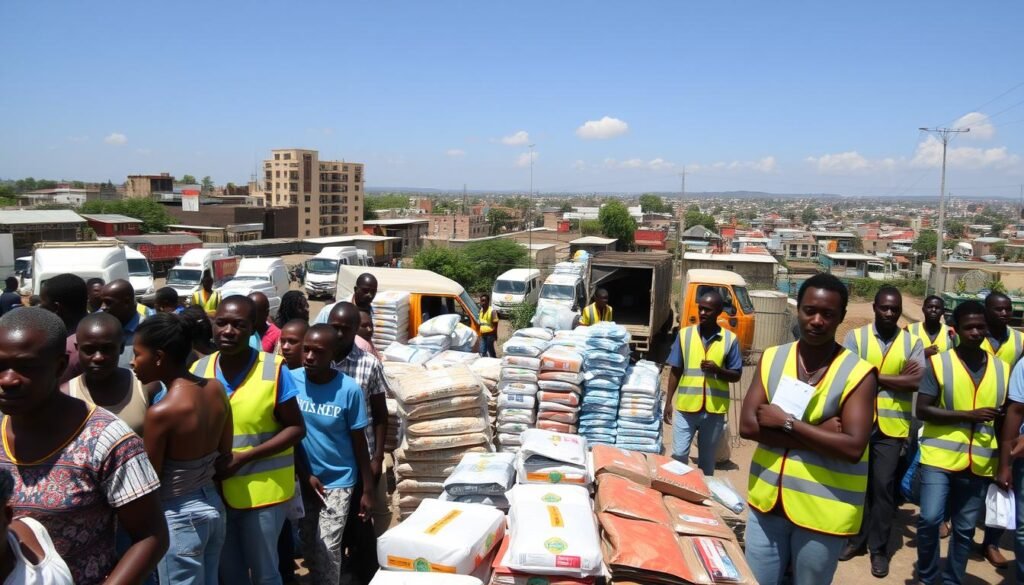
The immediate benefits of foreign intervention are undeniable, but it’s crucial to consider the potential long-term consequences, including the risk of dependency on external security forces and impacts on Haitian sovereignty.
Foreign interventions in Haiti have been a double-edged sword, offering immediate security benefits but potentially sowing seeds for future crises. While the initial presence of foreign forces may quell violence and restore order, the long-term implications of such interventions are far more complex.
The reliance on foreign forces for security can lead to a dangerous dependency, undermining Haiti’s ability to maintain its own security. This dependency is multifaceted, affecting both the institutional capacity of local security structures and the national identity of Haitians.
When external forces take the security lead, local institutions may not develop the necessary capacity to handle security challenges on their own. As former UN Secretary-General Ban Ki-moon once noted, “the presence of international forces can sometimes create a dependency that hinders the development of local capacities.”
“The presence of international forces can sometimes create a dependency that hinders the development of local capacities.”
This phenomenon, known as institutional atrophy, can leave Haiti vulnerable once foreign forces withdraw. Key areas affected include:
The presence of foreign forces can also have a profound psychological impact on the Haitian people, affecting their sense of national identity and sovereignty. The perception that external forces are necessary for security can erode confidence in national institutions and diminish the sense of self-determination.
A comparison of the potential long-term security risks associated with foreign forces in Haiti is illustrated in the table below:
| Risk Factor | Short-Term Impact | Long-Term Impact |
|---|---|---|
| Dependency on External Forces | Immediate security improvement | Institutional atrophy, loss of sovereignty |
| Psychological Impact | Initial relief | Erosion of national identity, diminished self-determination |
In conclusion, while foreign forces may offer short-term security benefits, the long-term risks associated with their presence in Haiti are significant. It is crucial to balance immediate needs with sustainable security solutions that strengthen local institutions and preserve national identity.
The introduction of foreign forces in Haiti has ignited a complex debate surrounding the nation’s sovereignty and political legitimacy. As external security forces become more involved in the country’s affairs, concerns about Haiti’s ability to govern itself have come to the forefront.
The presence of foreign military forces inevitably affects Haitian self-determination. The extent of this impact depends on various factors, including the mandate of the foreign forces and the level of cooperation with local authorities.
The deployment of foreign security forces raises questions about decision-making authority and autonomy. It is crucial to ensure that Haitian leaders retain control over their country’s security and governance.
A key concern is that reliance on external forces might undermine the Haitian government’s ability to make independent decisions. This could lead to a loss of autonomy in areas such as security, justice, and economic development.
Public perception of foreign forces in Haiti is mixed. While some view the presence as a necessary measure to restore order, others see it as an infringement on national sovereignty. Resistance to foreign military presence can manifest in various forms, from public protests to political opposition.
| Aspect | Impact of Foreign Forces | Implications for Haiti |
|---|---|---|
| Decision-Making Authority | Potential erosion of Haitian government’s control | Loss of autonomy in governance |
| Public Perception | Mixed views on foreign military presence | Potential for resistance and unrest |
| Sovereignty | Concerns about external influence | Challenges to Haitian self-determination |
The interplay between foreign forces and Haitian sovereignty is complex. It is essential to strike a balance between addressing immediate security needs and preserving the country’s long-term sovereignty and political legitimacy.
The U.S. approach to Haiti’s crisis is shaped by a mix of short-term security concerns and long-term strategic objectives. As foreign forces become involved in maintaining stability, it’s crucial to understand the implications for U.S. strategic interests. The presence of these forces can influence migration patterns, regional stability, and the overall geopolitical landscape.
The U.S. has a vested interest in managing migration from Haiti, given the potential for increased migration flows during periods of instability. Regional stability is also a concern, as Haiti’s security situation can impact neighbouring countries and the broader Caribbean region.
Haitian migration to the U.S. has been a recurring issue, with many migrants fleeing violence, poverty, and political instability. The U.S. government has implemented various policies to manage this flow, including border security measures and diplomatic efforts to stabilize Haiti.
Border security is a critical aspect of U.S. policy regarding Haitian migration. Ensuring the security of the U.S.-Mexico border, in particular, is a significant concern, with the U.S. Customs and Border Protection agency playing a key role in managing migrant flows.
A comparison of U.S. policy approaches to Haitian migration under different administrations highlights the complexity of this issue.
| Administration | Migration Policy | Border Security Measures |
|---|---|---|
| Previous Administration | Focused on humanitarian aid and diplomatic engagement | Enhanced border security through technology and personnel |
| Current Administration | Emphasizes a comprehensive approach including economic development | Continues to strengthen border security while exploring alternative solutions |
The geopolitical context of Haiti’s crisis underscores the importance of U.S. strategic interests in the region.
Haiti’s ongoing crisis has led to the introduction of multinational security forces, but this move has significant unintended consequences. The presence of foreign military forces in Haiti has sparked concerns about potential human rights abuses and the long-term impact on the country’s stability.
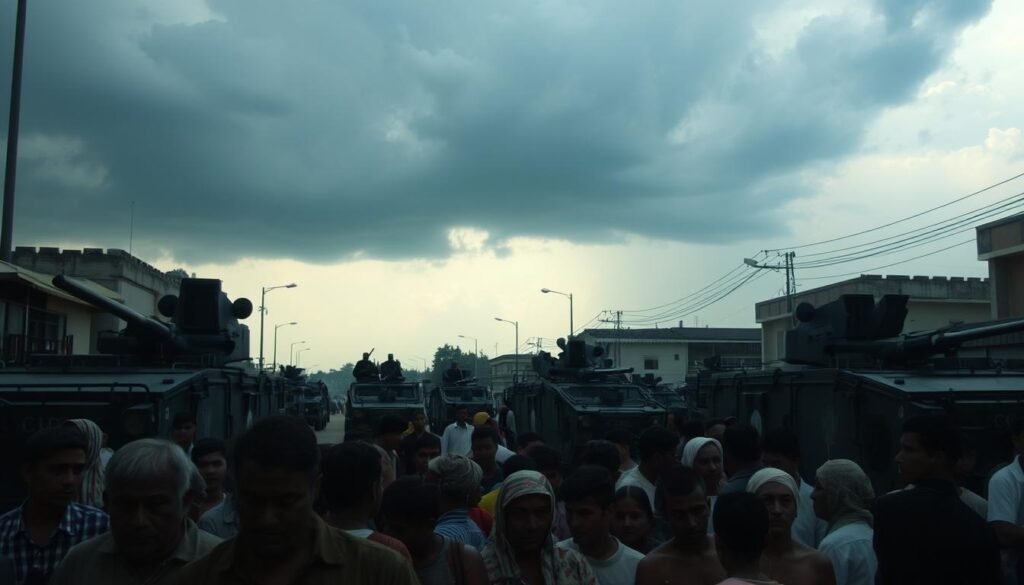
The deployment of foreign troops raises serious concerns about human rights violations and the accountability of these forces. Ensuring that military personnel are held accountable for any abuses is crucial.
Effective oversight mechanisms are essential to prevent human rights abuses. This includes clear jurisdiction over military personnel to ensure accountability for any misconduct.
Historically, military interventions in Haiti have been associated with human rights abuses. Understanding these patterns is crucial to preventing similar abuses in the future.
| Aspect | Current Situation | Ideal Scenario |
|---|---|---|
| Oversight Mechanisms | Limited | Robust and Transparent |
| Jurisdiction | Unclear | Clearly Defined |
| Accountability | Lacking | Stringent |
The introduction of foreign military forces in Haiti must be accompanied by robust mechanisms to ensure accountability and prevent human rights abuses. By understanding historical patterns of abuse and establishing clear jurisdiction, Haiti can move towards a more stable future.
The key to Haiti’s stability lies in developing sustainable security solutions that address the root causes of insecurity. To achieve this, it’s essential to focus on strengthening the Haitian police and security institutions.
Enhancing the capabilities of Haitian security forces is vital for long-term security. This involves several key strategies.
Effective training programs and adequate resource allocation are critical for building a robust security apparatus. This includes providing advanced training to police officers and ensuring they have the necessary equipment to perform their duties.
Key areas of focus for training include:
Implementing anti-corruption measures within the security forces is equally important. This can be achieved through:
By focusing on these areas, Haiti can develop a more secure and stable environment.
| Security Measure | Description | Expected Outcome |
|---|---|---|
| Community Policing | Training police in community engagement | Improved public trust |
| Intelligence Gathering | Enhancing intelligence capabilities | Better crime prevention |
| Anti-Corruption Initiatives | Implementing transparency and accountability | Reduced corruption |
Addressing Haiti’s security crisis requires a delicate balance between meeting immediate needs and ensuring long-term stability. The presence of foreign forces, led by Kenya, under the Multinational Security Support Mission, has raised concerns about the potential for dependency on external security forces and the impact on Haitian self-determination.
A thoughtful approach to security solutions is crucial, focusing on strengthening Haitian police and security institutions to build a stable future. This involves not only addressing the current crisis but also investing in long-term capacity building to prevent future crises.
By balancing immediate needs with a long-term perspective, it’s possible to create a more sustainable security framework for Haiti. This framework should prioritize Haitian ownership and self-determination, ensuring that security solutions are tailored to the country’s specific needs and context.
Ultimately, achieving long-term stability in Haiti will require a sustained commitment to supporting the country’s security institutions and promoting a culture of peace and stability. This can be accomplished by working together with international partners to develop effective security strategies that prioritize Haitian needs and promote regional stability.
The presence of foreign forces in Haiti poses long-term security risks, including dependency on external security forces, institutional atrophy of local security structures, and a psychological impact on national identity.
Previous UN missions, such as MINUSTAH, have had significant impacts on Haiti, including a legacy of mixed outcomes, a cholera outbreak, and accountability issues.
Kenya is leading the Multinational Security Support Mission, providing a significant number of police officers and playing a key role in the deployment structure and command.
The presence of foreign forces in Haiti has led to immediate security improvements, including the restoration of basic services and access to humanitarian aid.
The presence of foreign forces in Haiti raises concerns about sovereignty and self-determination, impacting decision-making authority, autonomy, and public perception.
The U.S. has strategic interests in Haiti related to migration management, regional stability, and border security concerns, particularly in the context of Haitian migration to the United States.
The presence of foreign forces in Haiti raises human rights concerns, including the need for effective oversight mechanisms, jurisdiction, and accountability for historical patterns of abuse.
Building sustainable security solutions in Haiti requires strengthening the Haitian police and security institutions through training, resource allocation, and anti-corruption measures.