Physical Address
304 North Cardinal St.
Dorchester Center, MA 02124
Physical Address
304 North Cardinal St.
Dorchester Center, MA 02124

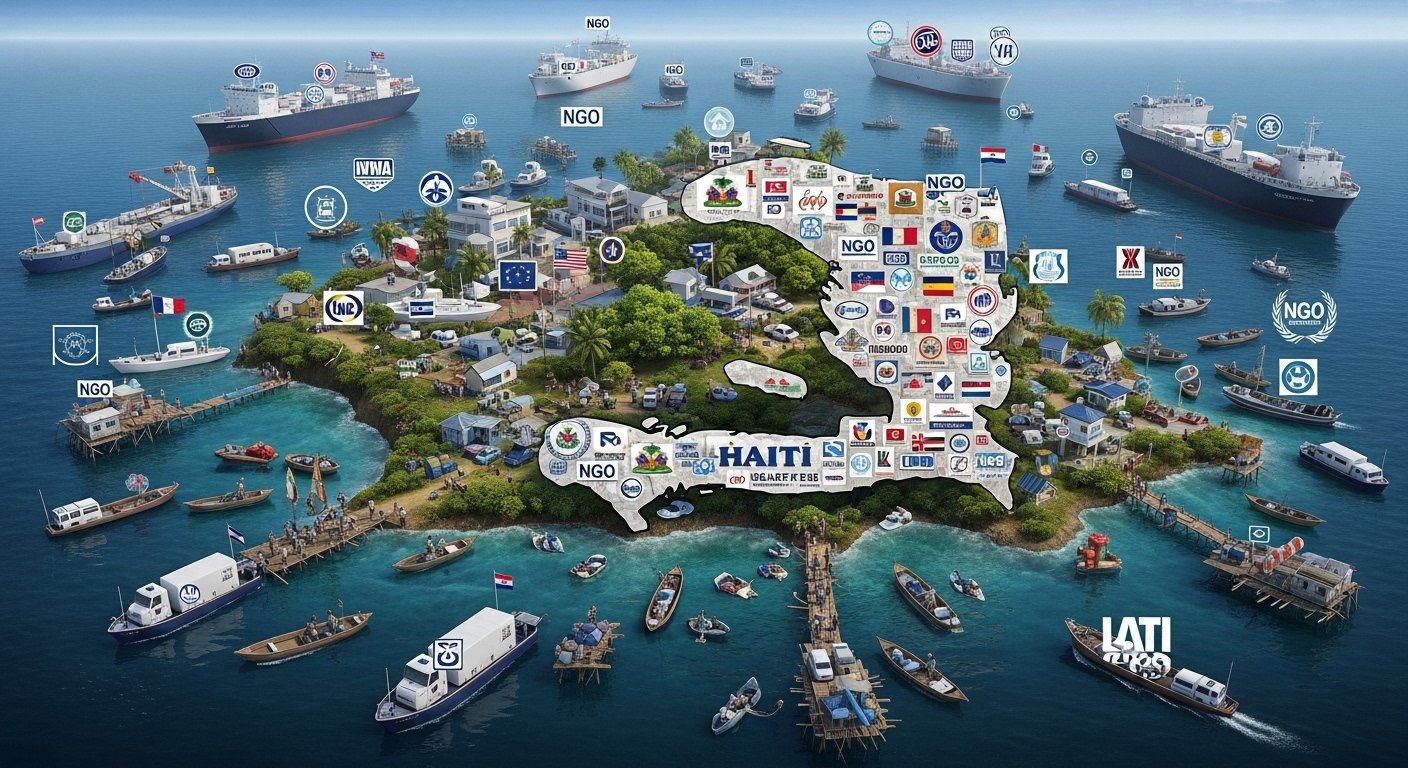
Discover how Haiti navigates the paradox of foreign aid and security in "The NGO Paradox: Can Haiti Find Security Amid a Sea of Foreign Organizations?"
Haiti’s security situation has long been a subject of concern, with the country facing numerous challenges in maintaining stability. Foreign aid has played a significant role in attempting to address these issues.
The presence of numerous foreign organizations and NGOs in Haiti, while well-intentioned, has created a complex environment. This paradox raises questions about the effectiveness of foreign aid in enhancing Haiti security.
As Haiti navigates these challenges, understanding the dynamics between foreign aid and local security is crucial.
Haiti stands at a critical juncture, grappling with a multifaceted crisis that threatens its very fabric. The situation on the ground is dire, with a complex interplay of security, political, and humanitarian challenges.
The security landscape in Haiti has deteriorated significantly, with gang violence and kidnappings becoming increasingly common. This has led to a displacement of people, with many fleeing their homes in search of safety.
Haiti’s political landscape is characterized by instability and a lack of effective governance. The absence of a functional government has exacerbated the crisis, making it challenging to address the country’s pressing needs.
The humanitarian situation in Haiti is dire, with millions in need of assistance. The country is vulnerable to natural disasters, and the current crisis has only heightened this vulnerability.
| Challenge | Description | Impact |
|---|---|---|
| Security | Gang violence and kidnappings | Displacement of people |
| Political | Instability and lack of governance | Exacerbated crisis |
| Humanitarian | Millions in need of assistance | Increased vulnerability |
The interplay of these challenges has created a complex crisis that requires a comprehensive response. The international community, including foreign organizations, must work together to address Haiti’s humanitarian needs and support the country’s recovery.
Foreign intervention in Haiti is not a new phenomenon; it dates back to colonial times. The country’s history has been shaped by various forms of international involvement, from colonial powers to modern aid organizations.
Haiti was colonized by France in the 17th century, and the legacy of this colonial past continues to influence its development. After gaining independence in 1804, Haiti faced numerous challenges, including economic isolation and political instability, which paved the way for further international intervention.
The 2010 earthquake brought a massive influx of foreign aid, with many international organizations and countries providing humanitarian assistance. While the response saved countless lives, it also raised questions about Haiti sovereignty and the long-term impact of such large-scale international intervention.
The United Nations has been involved in Haiti through various peacekeeping missions since the 1990s. These missions have had mixed results, sometimes improving security, other times facing criticism for their effectiveness and impact on local communities.
| Year | Event | Impact on Haiti |
|---|---|---|
| 1804 | Independence from France | Economic isolation and political instability |
| 2010 | Earthquake | Massive influx of foreign aid and humanitarian assistance |
| 1990s | UN Peacekeeping Missions | Mixed results in improving security and community impact |
The historical context of foreign intervention in Haiti highlights the complexities of international intervention and foreign aid. Understanding this history is crucial for addressing the current challenges faced by Haiti.
With hundreds of NGOs operating in Haiti, the country’s development landscape is heavily influenced by foreign aid. This presence is a result of decades of international intervention, starting from the humanitarian response after the 2010 earthquake.
The scale of NGO operations in Haiti is vast, with organizations involved in various sectors including healthcare, education, and infrastructure development. According to recent estimates, there are over 3,000 NGOs registered in Haiti, although the actual number could be higher due to the presence of unregistered entities.
NGOs in Haiti can be categorized into several types based on their origin, focus, and operational model. These include international NGOs, local NGOs, and community-based organizations. International NGOs often have larger budgets and are involved in large-scale projects, while local NGOs are more attuned to community needs.
The financial flows from NGOs into Haiti are substantial, contributing significantly to the country’s economy. However, the economic impact is a subject of debate. While NGOs provide essential services, they also raise concerns about aid dependency and the potential undermining of local economic structures.
| Type of NGO | Number of Organizations | Primary Focus Areas |
|---|---|---|
| International NGOs | 500+ | Healthcare, Education, Infrastructure |
| Local NGOs | 2,000+ | Community Development, Human Rights, Environmental Conservation |
| Community-Based Organizations | 1,000+ | Local Initiatives, Social Services, Cultural Preservation |
The complex landscape of NGOs in Haiti underscores the need for a nuanced understanding of their role in the country’s development and security.
The influx of NGOs in Haiti has sparked a paradox: while they aim to provide aid, their presence may be exacerbating the security issues. With a multitude of foreign organizations operating in the country, the question remains whether their efforts are truly contributing to stability.
The NGO paradox in Haiti refers to the contradictory outcomes of foreign aid interventions. On one hand, these organizations provide essential services and support to vulnerable populations. On the other hand, their presence can create dependencies and undermine local institutions, potentially worsening the security situation.
Foreign aid, though well-intentioned, can have unintended consequences. For instance, the influx of external aid can drive up local prices, making it difficult for Haitians to afford basic necessities. Moreover, the presence of NGOs can sometimes distort local economies and create dependency cycles.
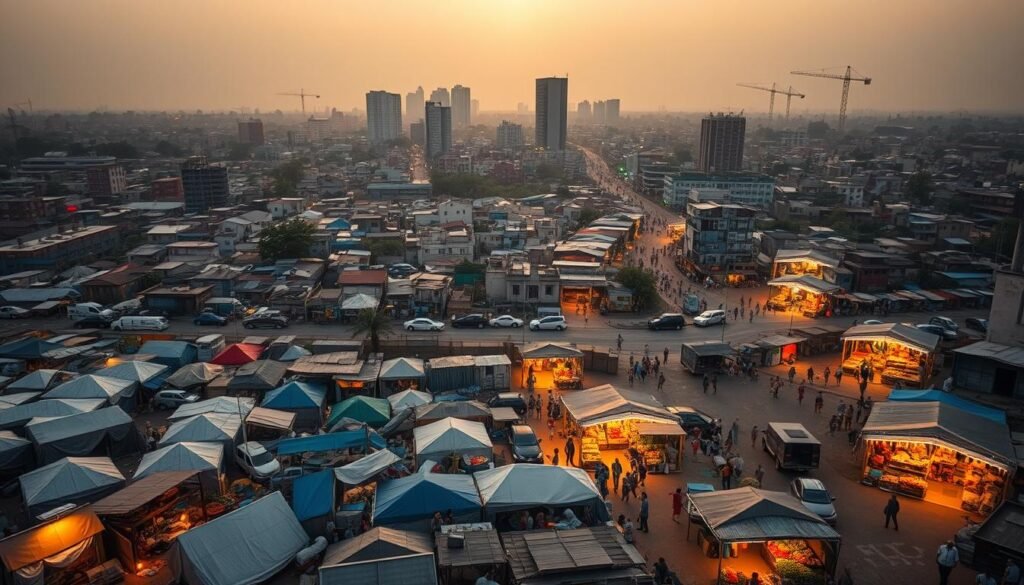
A significant concern is that reliance on foreign aid can weaken Haitian institutions. When NGOs take over essential services, it can prevent the Haitian government from developing its own capacity. This perpetuates a cycle of dependency, hindering the country’s ability to achieve self-sufficiency.
| Impact | Short-term Effects | Long-term Consequences |
|---|---|---|
| Economic | Influx of foreign capital | Distorted local economies, dependency on foreign aid |
| Institutional | NGOs providing essential services | Weakened government institutions, lack of capacity building |
| Security | Temporary stability through foreign presence | Increased vulnerability due to dependency and lack of local ownership |
Understanding the NGO paradox is crucial for rethinking aid effectiveness in Haiti. By acknowledging the potential pitfalls of foreign intervention, we can work towards creating more sustainable solutions that support Haitian security and sovereignty.
As a nation heavily reliant on foreign aid, Haiti faces unique security challenges. The presence of numerous foreign organizations has created a complex environment where aid and security intersect.
Gang violence has become a significant issue in Haiti, often filling the power vacuum left by weak governmental institutions. “The gangs have taken advantage of the situation, creating chaos and instability.” This environment makes it difficult for aid organizations to operate effectively.
The relationship between foreign aid and security in Haiti is multifaceted. While aid is intended to alleviate suffering and support development, it can also inadvertently create dependencies and undermine local authority. “The challenge lies in balancing the need for immediate aid with long-term security and stability.”
In response to Haiti’s security challenges, a Multinational Security Support Mission has been proposed to help stabilize the country. This mission aims to address gang violence and support the Haitian government in re-establishing authority. As noted by a recent report,
“A coordinated international effort is crucial to addressing Haiti’s security crisis.”
The success of such missions depends on their ability to work in tandem with local authorities and NGOs, ensuring that their efforts complement rather than complicate the existing security landscape.
The NGO landscape in Haiti is characterized by both success stories and cautionary tales. Foreign organizations have been operating in Haiti for decades, providing a wide range of services from emergency relief to long-term development programs.
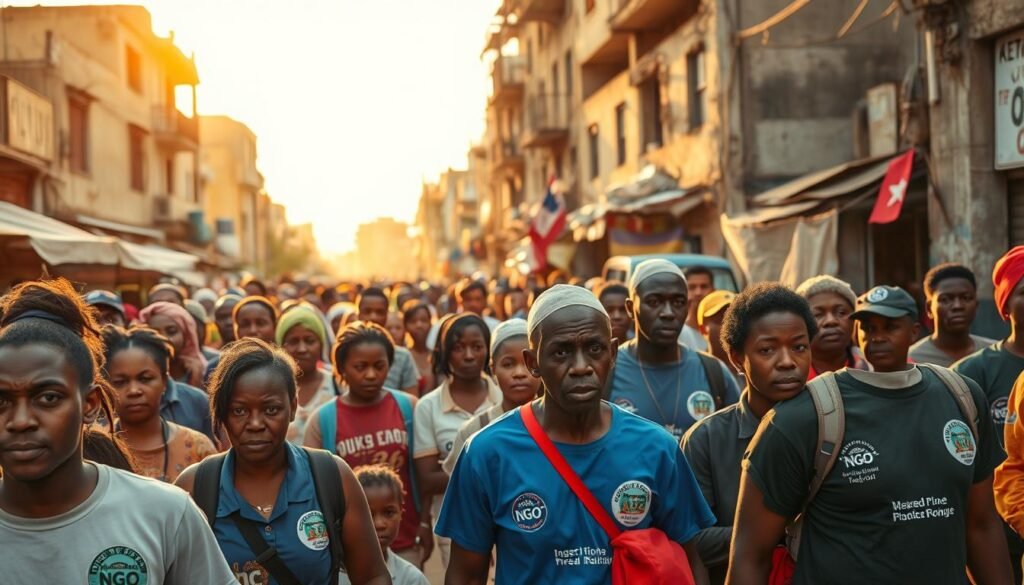
Some NGOs have made a significant positive impact in Haiti. For example, organizations like the Red Cross have provided critical emergency response services, while others like Oxfam have implemented sustainable development projects. These success stories often share common factors such as:
Despite the successes, there are also numerous examples of NGO failures in Haiti. These cases often result from issues such as inadequate needs assessment, poor coordination with government agencies, and a lack of transparency in operations. For instance, some NGOs have been criticized for:
The mixed results of NGO interventions in Haiti offer valuable lessons for improving aid effectiveness and development aid. Key takeaways include the importance of:
By learning from both the successes and failures, NGOs can improve their impact and contribute to more effective development aid in Haiti.
As Haiti navigates its current crisis, the role of foreign organizations in its governance has come under scrutiny. The presence of numerous international NGOs and financial institutions has sparked debate about the extent to which Haiti can truly be considered sovereign.
Haiti’s ability to govern itself is compromised by its weakened state. Years of political instability, corruption, and natural disasters have eroded the capacity of Haitian institutions. The state’s weakness creates a vacuum that foreign entities often fill, sometimes with unintended consequences.
Foreign organizations, including NGOs and international financial institutions, play a significant role in Haiti’s domestic affairs. While their intentions are often benevolent, their actions can undermine Haitian autonomy. The influence of these entities can be seen in various sectors, from healthcare to infrastructure.
| Institution | Role in Haiti |
|---|---|
| World Bank | Provides financial and technical assistance for development projects |
| IMF | Offers financial support and policy advice to stabilize the economy |
| IDB | Finances projects to promote economic development and reduce poverty |
The role of international financial institutions in Haiti is multifaceted, involving financial support, technical assistance, and policy guidance. While these institutions are crucial for Haiti’s development, their influence also raises questions about the country’s sovereignty.
In Haiti, the role of foreign organizations is viewed through various lenses by the local population. While some see these organizations as vital to addressing the country’s numerous challenges, others view them with skepticism, questioning their effectiveness and motives.
Many Haitians have shared their experiences and opinions about the foreign organizations operating in their communities. For instance, some have praised the humanitarian aid provided by these organizations, citing examples such as food assistance and medical care.
However, others have expressed concerns about the long-term impact of foreign aid, suggesting that it can create dependency and undermine local capacities.
There’s a growing call among Haitians for solutions that are led by Haitians themselves. This perspective emphasizes the importance of local ownership and decision-making in addressing the country’s challenges.
“We need to take charge of our own development. While foreign aid is helpful, it’s crucial that we Haitians lead the way in solving our problems.”
This sentiment is echoed by many who believe that Haitian-led initiatives are more likely to be sustainable and tailored to the specific needs of the community.
The Haitian diaspora plays a significant role in the country’s development, with many individuals and organizations contributing to various initiatives. Their influence extends beyond financial remittances to include advocacy and capacity-building efforts.
By engaging with both local communities and international organizations, the Haitian diaspora can help bridge the gap between foreign aid and local needs, promoting more effective and sustainable solutions.
Haiti’s quest for sustainable security necessitates a comprehensive reform of the aid model to ensure it supports long-term stability. The current aid landscape, dominated by foreign organizations and NGOs, has shown mixed results in addressing the country’s security challenges.
One crucial step in reforming the aid model is enhancing accountability and transparency. This can be achieved by implementing robust monitoring and evaluation systems to track the effectiveness of aid programs. As Mark Lowcock, former UN Under-Secretary-General for Humanitarian Affairs, once said, “Transparency is key to ensuring that aid reaches those who need it most.”
Donor countries and NGOs must be held accountable for their actions and outcomes. This includes publishing detailed reports on aid expenditures and project outcomes. Regular audits and independent evaluations can help identify areas for improvement.
Another vital aspect of aid reform is building local capacity and promoting Haitian ownership of development projects. This involves investing in training and capacity-building programs for local government officials, civil society organizations, and community leaders. By empowering local stakeholders, aid programs can become more sustainable and responsive to Haitian needs.
“The most effective aid is that which is led by the people it is intended to help.” –
Effective coordination between NGOs and the Haitian government is essential for aligning aid efforts with national priorities. This requires improved communication and collaboration mechanisms to ensure that aid programs complement the government’s development plans. A coordinated approach can help avoid duplication of efforts and maximize the impact of aid.
By implementing these reforms, Haiti can move towards a more sustainable security environment, where aid effectiveness is enhanced, and local capacities are strengthened.
As Haiti navigates its complex security and development challenges, the international community must reassess its policy approach to ensure a more stable future. The current situation demands a comprehensive strategy that addresses both immediate needs and long-term goals.
The traditional foreign assistance model has shown limitations in effectively addressing Haiti’s crises. A new approach should focus on sustainable development and local capacity building. This involves shifting from mere aid provision to fostering economic resilience.
A critical aspect of Haiti’s stability is the strengthening of its security institutions. International policy should prioritize training and equipping local security forces to counter gang violence effectively. This requires a coordinated effort between international partners and Haitian authorities.
Economic development is intrinsically linked to security in Haiti. By promoting economic opportunities, the international community can help reduce the conditions that foster insecurity.
Improving trade policies and market access can significantly boost Haiti’s economy. International policymakers should work on reducing trade barriers and promoting Haitian exports.
Infrastructure development is crucial for Haiti’s economic growth. Investments in roads, ports, and energy systems will not only improve living conditions but also attract foreign investment.
By implementing these international policy recommendations, Haiti can move towards a more secure and prosperous future. The key lies in a coordinated and sustainable approach that prioritizes local ownership and economic development.
Haiti’s future security and development depend on striking a balance between foreign aid and Haitian sovereignty. The presence of numerous foreign organizations has created a paradox, where help can sometimes hinder the very goals it aims to achieve.
To navigate this complex landscape, it’s essential to prioritize Haitian-led solutions and build local capacity. This involves reforming the aid model to ensure accountability, transparency, and coordination with national priorities. By doing so, Haiti can break free from dependency cycles and strengthen its institutions.
Achieving balance between foreign aid and Haiti sovereignty requires a nuanced approach. It involves recognizing the value of international support while empowering the Haitian government to take ownership of its development. By finding this balance, Haiti can move towards sustainable security and a brighter future.
The security situation in Haiti is deteriorating, with rising gang violence and a vacuum of authority. The presence of foreign organizations and aid has sometimes exacerbated the issue, creating dependency cycles and weakening local institutions.
Foreign organizations, including NGOs and aid agencies, operate in Haiti, providing humanitarian assistance and development programs. However, their efforts are not always coordinated, and their impact can be mixed, sometimes creating unintended consequences.
The NGO paradox refers to the phenomenon where foreign aid and the presence of NGOs can hinder progress and create dependency cycles, weakening local institutions. In Haiti, this paradox has contributed to the country’s security challenges and undermined its sovereignty.
Haitians have mixed views on foreign organizations, with some appreciating the assistance they provide, while others are critical of their impact on the country’s sovereignty and development. There is a growing push for Haitian-led solutions and greater accountability from foreign organizations.
To make foreign aid more effective in Haiti, reforms are needed to enhance accountability, transparency, and local capacity. This includes coordinating NGO efforts with national priorities, building local ownership, and promoting economic development as a security strategy.
International financial institutions play a significant role in Haiti’s governance, influencing the country’s economic policies and development trajectory. However, their impact can be complex, and their priorities may not always align with Haiti’s national interests.
Strengthening Haiti’s security institutions requires a multi-faceted approach, including training and capacity-building programs, equipment, and infrastructure support. It also involves promoting accountability and transparency within the security sector.
The Haitian diaspora plays a significant role in the country’s development, providing financial remittances, expertise, and advocacy. Their influence can help shape Haiti’s development trajectory and promote Haitian-led solutions.