Physical Address
304 North Cardinal St.
Dorchester Center, MA 02124
Physical Address
304 North Cardinal St.
Dorchester Center, MA 02124

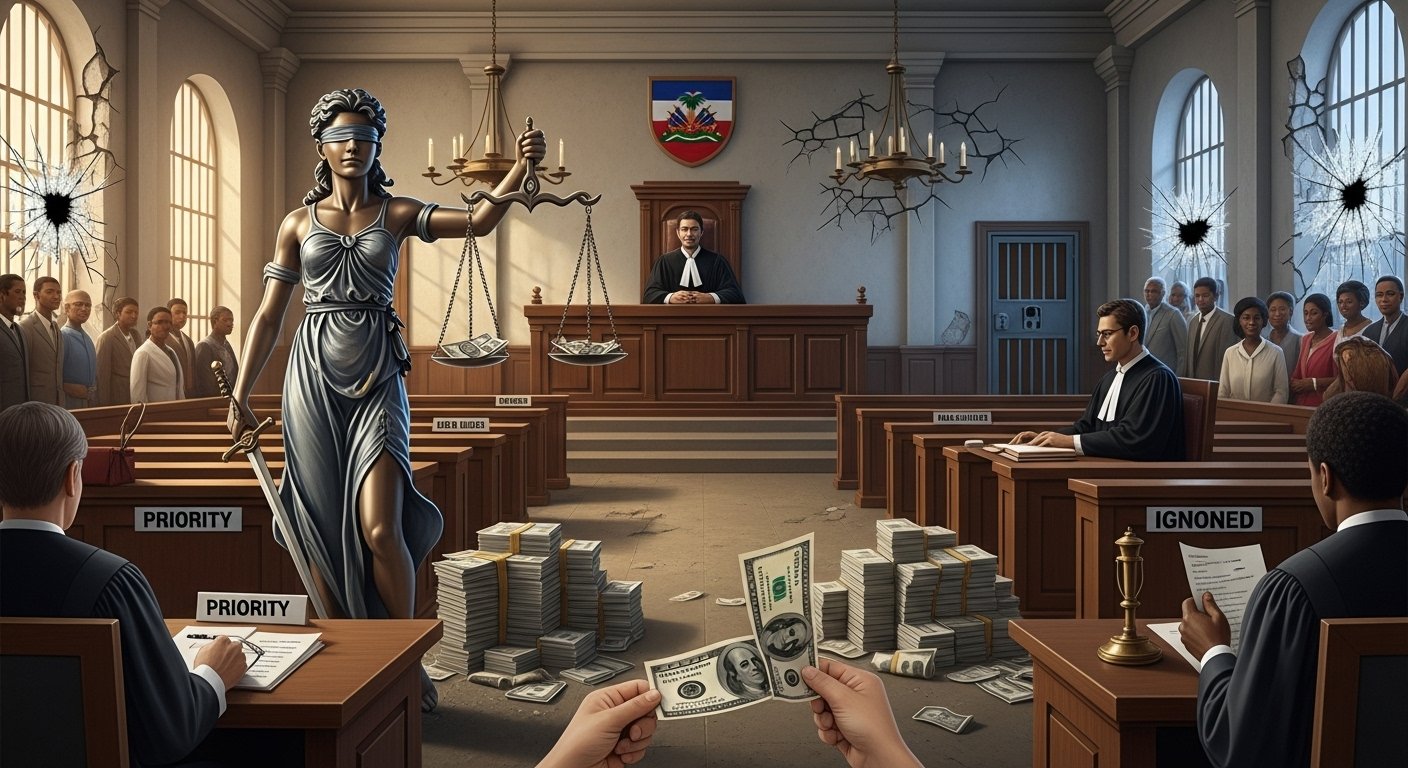
Uncover the devastating impact of Haiti's corrupt justice system in this eye-opening article.
Haiti’s justice system is plagued by corruption, leaving citizens vulnerable and undermining trust in the rule of law.
The consequences are far-reaching, with judicial corruption affecting every aspect of society, from everyday life to the overall stability of the country.
As a result, the people of Haiti are left to suffer, caught in a web of corrupt justice that seems impossible to escape.
Haiti’s legal framework has a complex history, deeply rooted in its colonial past and influenced by French legal traditions. The country’s judicial system has evolved significantly over the centuries, shaped by various historical events and political changes.
During the colonial period, Haiti was under French rule, and as such, the French legal system was imposed upon it. The French Civil Code of 1804, also known as the Napoleonic Code, had a lasting impact on Haiti’s legal framework. Even after gaining independence in 1804, Haiti retained many French legal traditions, which continue to influence its judicial system today.
Following independence, Haiti faced significant challenges in developing its judicial system. The new nation had to establish its own legal codes and judicial structures, a process complicated by political instability and lack of resources. Despite these challenges, Haiti made efforts to adapt its legal framework to meet the needs of its newly independent state.
Haiti’s history has been marked by periods of dictatorship, which significantly impacted its judicial system. Dictators often manipulated the legal system to consolidate power and suppress opposition. Transitions to democracy have brought about efforts to reform the justice system, but these efforts have been met with varying degrees of success. Key issues include:
Understanding these historical developments is crucial to grasping the complexities of Haiti’s current legal challenges and the ongoing efforts to reform its judicial system.
The anatomy of Haiti’s broken judicial system is a multifaceted problem that requires a comprehensive understanding. To grasp the full extent of the issue, it’s essential to examine the underlying structure and organization of the judiciary.
Haiti’s judiciary is structured around a Supreme Court, Courts of Appeal, and lower courts. However, the system’s complexity and the lack of clear jurisdictional boundaries often lead to confusion and inefficiencies. The judiciary’s structure is further complicated by a mix of French colonial legacy and post-independence adaptations, resulting in a legal framework that is both outdated and cumbersome.
One of the significant challenges facing Haiti’s courts is chronic underfunding. The judiciary suffers from inadequate financial resources, which hampers its ability to function effectively. This underfunding manifests in various ways, including low salaries for judges, inadequate infrastructure, and a lack of necessary equipment and training.
The resource limitations extend beyond financial constraints. There is a shortage of skilled legal professionals, including judges, prosecutors, and defense attorneys. This scarcity is particularly pronounced in rural areas, where access to legal services is already limited.
Haiti’s legal codes are largely based on French law, which, while foundational, has not kept pace with modern legal standards. The outdated legal codes contribute to procedural inefficiencies and create bottlenecks in the judicial process. For instance, the lack of modernized procedural rules leads to delays in court proceedings, further exacerbating the backlog of cases.
The combination of these factors—structural complexities, underfunding, and outdated legal frameworks—creates a judicial system that is slow, inefficient, and often inaccessible to the average citizen. Addressing these challenges will be crucial to reforming Haiti’s courts and ensuring justice for all.
The corrupt justice system in Haiti perpetuates inequality and injustice, particularly for the poor and vulnerable. This section delves into the specifics of how corruption has permeated the system.
Bribery is a pervasive issue in Haiti’s judicial system. Courts are often influenced by corrupt practices, where the outcome of cases is determined by who can pay the most, rather than the law. This has led to a situation where justice is commodified, and those who cannot afford to pay are often left without recourse.
Some of the key issues include:
Political interference is another significant challenge facing Haiti’s justice system. Politicians and government officials often use their influence to sway legal decisions, undermining the independence of the judiciary. This can lead to selective prosecution, where political opponents are targeted while allies are protected.
The elite in Haiti often enjoy impunity due to their wealth and influence. They can afford high-priced lawyers and bribe officials to avoid accountability. This selective justice perpetuates a cycle of corruption and inequality, eroding public trust in the justice system.
The consequences of these practices are far-reaching:
In conclusion, the corrupt justice system in Haiti has devastating effects on the population, particularly the most vulnerable. Addressing these issues is crucial for rebuilding trust and ensuring justice for all.
The human toll of Haiti’s judicial failures is a pressing concern, with the poor and marginalized bearing the brunt of a corrupt and inefficient system. The consequences of a lawless justice system are far-reaching, affecting not only the individuals directly involved in legal proceedings but also the broader society.
One of the most significant issues is prolonged pretrial detention. Many individuals are held in custody for extended periods without trial, contributing to severe prison overcrowding. This not only violates human rights but also exacerbates the harsh conditions within prisons, where inmates often lack access to basic necessities like food, water, and medical care.
Pretrial detention can last months or even years, during which time detainees may not have access to legal representation or a fair trial. This situation is further complicated by the lack of resources within the judicial system, leading to a backlog of cases and further delays.
The denial of due process is another critical issue. Many individuals are not afforded the right to legal representation, and when they are, the quality of representation can be inadequate. This lack of proper legal counsel can lead to unjust outcomes, further entrenching the cycle of injustice.
Due process is a fundamental right that is often overlooked in Haiti’s judicial system. Ensuring that individuals have access to fair legal proceedings is crucial for rebuilding trust in the system and upholding human rights.
For the poor, navigating the judicial system is nearly impossible. Without the means to afford legal representation or to bribe officials, they are often at the mercy of a system that seems designed to exclude them. This perpetuates a cycle of poverty and injustice, as those who are already disadvantaged are further marginalized.
The journey through the courts for the poor is fraught with obstacles, from the initial filing of a complaint to the final judgment. At each step, they face barriers that can be insurmountable, from lack of legal aid to corruption and bias within the system.
Haiti’s judicial failures are exemplified in several case studies that highlight the system’s inefficiencies and corruption. These cases not only demonstrate the challenges faced by the legal system but also underscore the human cost of its failures.
The assassination of President Jovenel Moïse in July 2021 was a national shock, and the subsequent investigation has been marred by controversy and delays. Despite international assistance, the case has seen numerous irregularities, including allegations of evidence tampering and political interference.
The La Saline massacre in 2018 was a brutal gang-related attack that left numerous civilians dead. The investigation into this atrocity has been slow, with many victims’ families still awaiting justice. The case highlights the challenges faced by Haiti’s justice system in addressing violent crimes.
Ordinary Haitian citizens often find themselves entangled in a justice system that is as unforgiving as it is inefficient. Prolonged pretrial detention and lack of access to legal representation are common issues faced by those navigating the courts.
| Case | Status | Challenges |
|---|---|---|
| Assassination of President Jovenel Moïse | Ongoing investigation | Evidence tampering, political interference |
| La Saline Massacre | Slow investigation | Lack of resources, witness intimidation |
| Ordinary Citizens | Prolonged detention | Lack of legal representation, court delays |
These case studies illustrate the multifaceted problems within Haiti’s justice system, from high-profile political assassinations to the everyday struggles of ordinary citizens. Addressing these issues will be crucial to rebuilding trust and ensuring justice for all Haitians.
The impact of corruption within Haiti’s justice system is multifaceted, touching on public trust, gang violence, and political stability. A corrupt justice system erodes the foundation of society, leading to widespread disillusionment with government institutions.
When citizens perceive that justice is not served due to corruption, their trust in government institutions begins to erode. This distrust can lead to decreased compliance with laws and regulations, as people may feel that the system is rigged against them. As a result, the legitimacy of the government is undermined.

The failure of the justice system to provide adequate security and justice has led to a rise in gang violence and vigilante justice. In the absence of effective law enforcement, gangs fill the power vacuum, and citizens may resort to taking the law into their own hands. This creates a cycle of violence that is difficult to break.
Judicial failure is closely linked to political instability. When the justice system fails to hold powerful individuals accountable, it creates an environment where political instability thrives. This instability can lead to further erosion of public trust and increased violence, creating a vicious cycle that is challenging to overcome.
In conclusion, the social and security implications of corruption within Haiti’s justice system are profound. Addressing these issues will require comprehensive reforms aimed at rebuilding public trust, reducing gang violence, and stabilizing the political landscape.
The economic impact of Haiti’s dysfunctional legal system is far-reaching and devastating. A corrupt and inefficient justice system deters investment, hinders economic growth, and exacerbates poverty.
The lack of a reliable legal framework creates uncertainty for businesses and investors. Foreign investment is crucial for Haiti’s economic development, but the current judicial climate makes it challenging to attract and retain investors. Companies are hesitant to invest in a country where contracts are not enforced, and disputes are resolved through bribery rather than law.
Insecure property rights and unresolved land disputes further complicate the economic landscape. Land ownership is a significant issue in Haiti, with many disputes arising from unclear titles and judicial corruption. This insecurity discourages investment in property and infrastructure.
Corruption within the justice system has a direct drain on Haiti’s economy. Bribery and judicial corruption lead to significant financial losses for individuals and businesses. The cost of bribes, combined with the uncertainty of judicial outcomes, makes it difficult for businesses to operate efficiently.
| Economic Indicator | Impact of Corrupt Justice System | Potential Improvement with Reform |
|---|---|---|
| Foreign Investment | Decreased due to uncertainty | Increased confidence with judicial reform |
| Business Operations | Hampered by bribery and corruption | Streamlined processes with transparent justice |
| Property Rights | Insecure, leading to disputes | Secure, with clear and enforced laws |
In conclusion, the economic consequences of Haiti’s lawless justice system are profound. Addressing these issues through judicial reform is crucial for improving the investment climate, securing property rights, and reducing the economic drain caused by corruption.
Haiti’s path to judicial reform is paved with both achievements and setbacks. As the country continues to grapple with the challenges of a corrupt justice system, various stakeholders have launched reform efforts aimed at improving the situation.
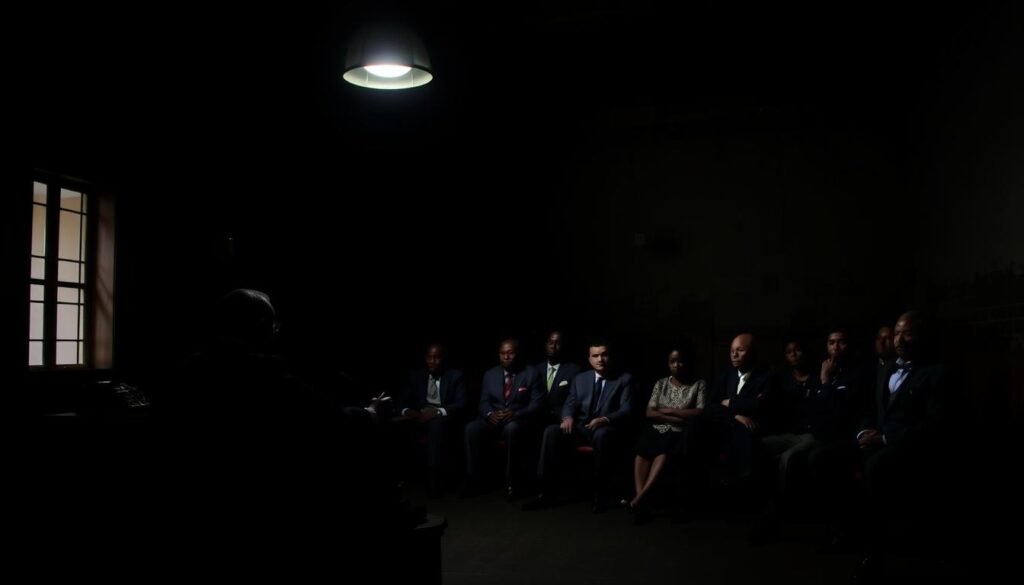
International organizations have played a crucial role in supporting Haiti’s justice reform. Programs funded by the United States Agency for International Development (USAID) and the United Nations have focused on strengthening the capacity of judicial institutions, improving legal frameworks, and enhancing access to justice for marginalized communities.
For instance, USAID has supported initiatives that provide training for judges and court personnel, aiming to reduce corruption and improve the efficiency of legal proceedings.
Domestically, there have been efforts to reform the justice system, though these have often been hindered by political obstacles. Initiatives to amend the legal code and improve the infrastructure of courts have faced resistance from entrenched political interests.
“The lack of political will to implement meaningful reforms remains a significant challenge,” notes a report by the International Crisis Group.
Grassroots movements have emerged as a powerful force pushing for accountability and reform in Haiti’s justice system. These movements have highlighted cases of judicial misconduct and advocated for the rights of victims.
Community legal aid networks have been established to provide legal assistance to those who cannot afford it. These networks not only offer legal representation but also work to educate communities about their rights.
Civil society organizations have taken on a crucial role in monitoring the justice system and advocating for reforms. They have been instrumental in exposing corruption and pushing for greater transparency in legal proceedings.
The collective efforts of these diverse stakeholders underscore the complexity and the importance of reforming Haiti’s justice system.
Haiti’s corrupt justice system has far-reaching consequences, affecting not only the rule of law but also the country’s overall development. Rebuilding justice is crucial for Haiti’s future, requiring a multifaceted approach that addresses the root causes of judicial corruption and inefficiency.
Judicial reform is essential to creating a fair and equitable society. This involves not only revising outdated legal codes but also ensuring that the judiciary is independent and impartial. International aid programs and domestic initiatives can play a vital role in supporting this process.
A reformed justice system can help restore public trust in government, reduce gang violence, and promote economic stability. By supporting rebuilding justice efforts, both domestic and international actors can contribute to a more just and prosperous Haiti. This, in turn, can help secure Haiti’s future by promoting stability, investment, and economic growth.
The main causes include a combination of historical, institutional, and systemic factors such as colonial legacy, chronic underfunding, political interference, and pervasive bribery.
Corruption leads to a lack of trust in the justice system, denial of due process, prolonged pretrial detention, and impunity for the elite, disproportionately affecting the poor and vulnerable.
Various reform efforts are underway, including international aid programs targeting justice reform, domestic reform initiatives, and grassroots movements for accountability, such as community legal aid networks and civil society monitoring and advocacy.
The corrupt justice system creates an uncertain investment climate, insecurity around property rights, and land disputes, ultimately draining Haiti’s economy and exacerbating poverty and underdevelopment.
Notable cases include the assassination of President Jovenel Moïse, the La Saline massacre investigations, and the experiences of ordinary citizens caught in the system’s inefficiencies and corruption.
Political interference compromises the independence of the judiciary, allowing for selective justice and impunity for those in power, further eroding public trust in the justice system.
Grassroots movements, including community legal aid networks and civil society monitoring and advocacy, play a crucial role in pushing for accountability and transparency within the justice system.
The corrupt justice system contributes to the erosion of public trust in government, the rise of gang violence and vigilante justice, and fuels political instability, having far-reaching consequences for Haitian society.