Physical Address
304 North Cardinal St.
Dorchester Center, MA 02124
Physical Address
304 North Cardinal St.
Dorchester Center, MA 02124
Discover the puppet masters behind Haiti's chaos - this article reveals how politicians and oligarchs engineer insecurity.
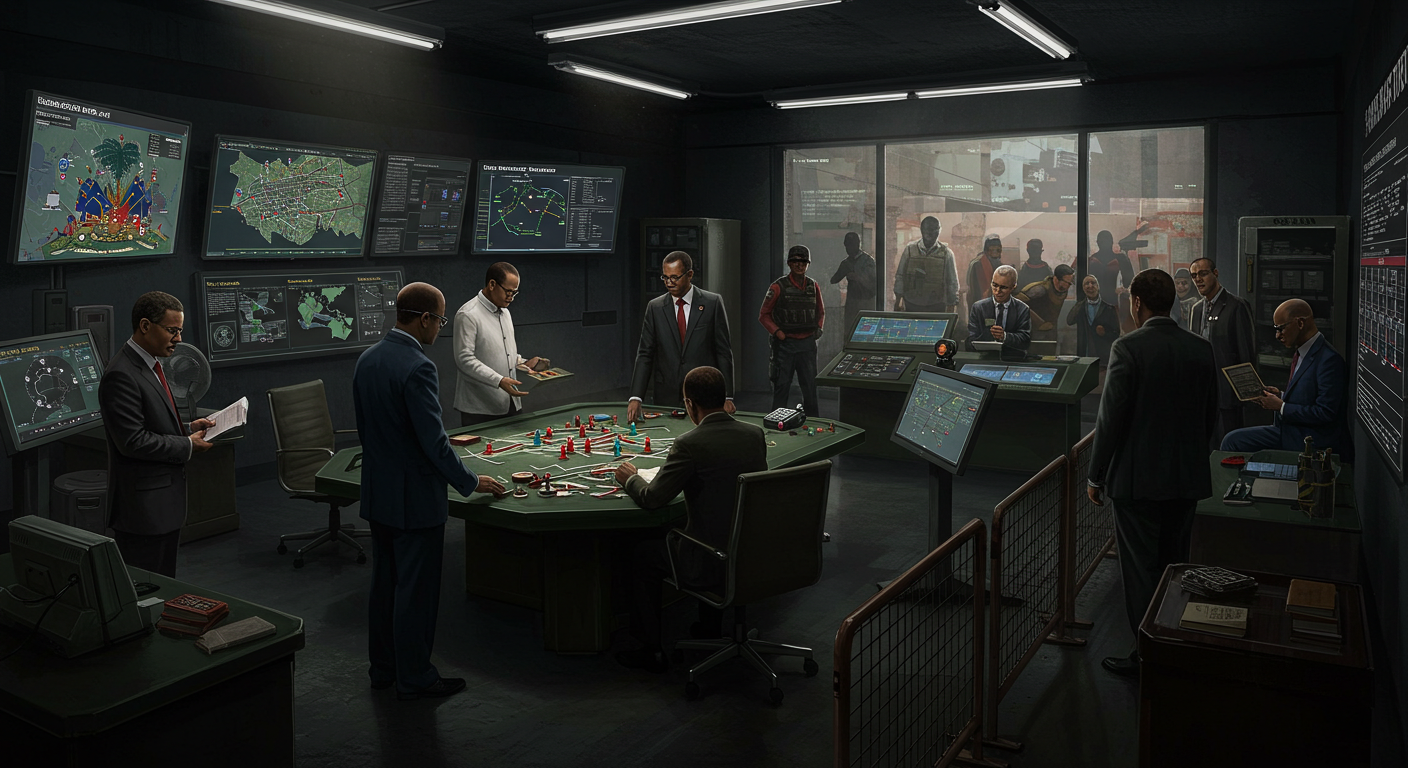
Haiti’s complex web of power dynamics has led to a state of perpetual insecurity. At the heart of this issue are Haiti’s puppet politicians and oligarchs, who play a significant role in shaping the country’s fate.
The interplay between these influential figures and the general populace has created an environment of chaos, where insecurity Understanding the mechanisms behind this phenomenon is crucial to addressing the root causes of Haiti’s problems.
The manipulation of power by Haiti’s oligarchs has far-reaching consequences, affecting not only the political landscape but also the daily lives of ordinary citizens.
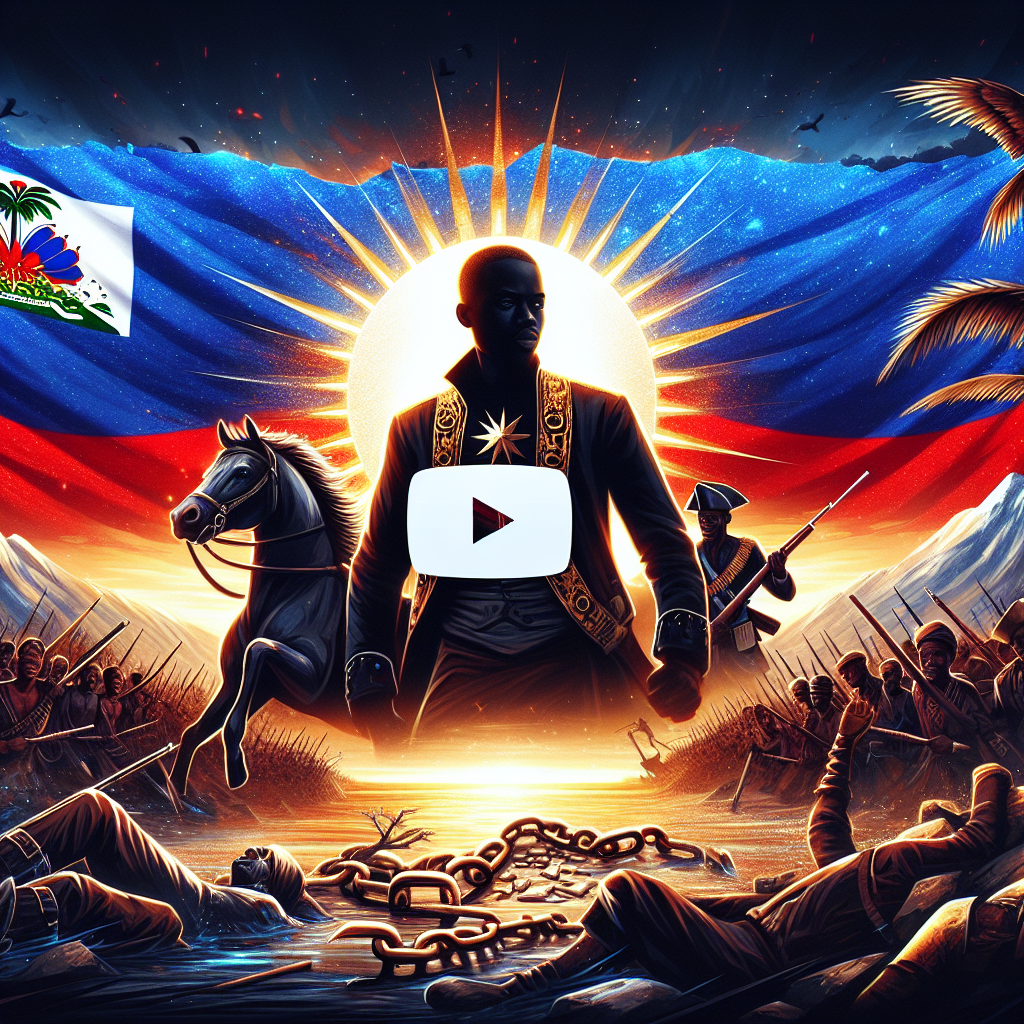
The roots of Haiti’s power dynamics lie in its colonial past and the subsequent foreign interventions that have shaped the nation. Haiti’s history is marked by periods of exploitation and external influence, which have contributed to its current state of insecurity.
Haiti’s journey began as a French colony, where it was subjected to harsh exploitation. The transition from colonial rule to independence did not sever the chains of oppression; instead, it paved the way for modern oligarchies. The legacy of colonialism continues to influence Haiti’s socio-economic structures.
The Duvalier regime, which lasted from 1957 to 1986, was characterized by authoritarian rule and violence. François Duvalier, also known as Papa Doc, and his son Jean-Claude Duvalier, or Baby Doc, ruled with an iron fist, creating a culture of fear and repression. Their regime had a lasting impact on Haiti’s political landscape, fostering an environment of mistrust and instability.
Foreign intervention has played a significant role in shaping Haiti’s history. Various occupations and interventions have influenced the country’s political and economic trajectory.
The United States has occupied Haiti multiple times, with significant interventions occurring in the early 20th century. These occupations have had lasting consequences, including the modernization of Haiti’s infrastructure but also the suppression of Haitian autonomy and the exacerbation of political instability.
| Period | Event | Impact |
|---|---|---|
| 1915-1934 | U.S. Occupation | Modernization of infrastructure, suppression of Haitian autonomy |
| 1957-1986 | Duvalier Regime | Culture of fear, repression, and political instability |
Understanding the intricacies of Haiti’s political landscape requires a nuanced look at the key figures and their allegiances.
Haiti’s political environment is characterized by a complex interplay of power among various stakeholders. Key political figures often have allegiances that are not immediately apparent, influencing their decisions and actions.
The political scene in Haiti is dominated by individuals with significant influence, often tied to either historical families or contemporary power brokers. These figures navigate a delicate balance of power, sometimes aligning with foreign interests or local business elites.
The “Group of 184”, a coalition of business leaders and other influential individuals, plays a significant role in shaping Haiti’s political and economic policies. This group, along with other business elites, exerts considerable influence over the country’s governance.
Beneath the surface of Haiti’s visible government lies a shadow government that wields significant power. This shadowy network includes influential individuals and groups who pull the strings from behind the scenes.
The “Group of 184” is a prime example of an entity that operates within this shadow government. Comprised of prominent business leaders and other elites, it has a profound impact on Haiti’s political decisions and economic direction.
The influence of such groups underscores the complexity of Haiti’s political landscape, where official governance structures are often overshadowed by the interests of powerful elites.
In Haiti, the architects of chaos are the puppet politicians and oligarchs who benefit from the country’s insecurity. This manufactured instability serves as a powerful tool for maintaining control and furthering their interests.
The puppet politicians and oligarchs in Haiti understand that maintaining a state of instability can be highly beneficial for their agendas. By creating an environment of uncertainty, they can manipulate the system to their advantage, often at the expense of the general population.
Chaos is utilized as a governance tool by Haiti’s ruling elite to distract from their mismanagement and corruption. By keeping the population in a state of crisis, they divert attention from the real issues and maintain their grip on power.
The methods used to manufacture crises in Haiti are varied and sophisticated. From orchestrating gang violence to manipulating economic conditions, the puppet politicians and oligarchs have a range of tactics at their disposal.
A notable example of manufactured crisis is the fuel shortage crisis, where strategic manipulation of fuel supplies led to widespread shortages, crippling the economy and daily life. This crisis was not merely a result of external factors but was exacerbated by internal actors for political gain.
The fuel shortage crisis highlights the extent to which Haiti’s puppet politicians and oligarchs will go to maintain their power and control. By understanding these dynamics, it’s possible to see the broader picture of how insecurity is designed and maintained in Haiti.
Ultimately, the architects of chaos in Haiti continue to benefit from the country’s instability. Recognizing their methods and motives is crucial to addressing the root causes of Haiti’s insecurity.
Behind the turmoil in Haiti lies a complex web of economic interests that profit from the country’s instability. The ongoing crisis has created an environment where certain individuals and groups can exploit Haiti’s resources for their own gain.
The economic beneficiaries of Haiti’s chaos are diverse, ranging from local oligarchs to international corporations. They profit from various sectors, including resource extraction, construction, and financial services. By understanding who these beneficiaries are, we can better grasp the motivations behind the continued instability.
Haiti is rich in natural resources, including gold, oil, and valuable minerals. The resource extraction game involves exploiting these resources, often through dubious means, to reap significant profits. This game is played by both local and international actors.
The extraction of gold and oil in Haiti has been a particularly contentious issue. Foreign companies have been known to secure lucrative contracts for resource extraction, often under questionable circumstances. Additionally, land grabs have become a common practice, where large tracts of land are acquired for agricultural purposes, mining, or other uses, often displacing local communities.
The economic beneficiaries of Haiti’s chaos are not just profiting from the country’s resources; they are also contributing to the ongoing instability. By examining the flow of money and the interests behind resource extraction, we can gain a deeper understanding of the complex dynamics at play in Haiti.
In Haiti, a small group of oligarchs has perfected the playbook for economic control, stifling competition and innovation. This control is exercised through various means, including the creation of monopolies and the manipulation of markets.
The oligarchs in Haiti have established monopolies over key sectors of the economy, dictating prices and limiting access to essential goods and services. This stranglehold on the market is a deliberate strategy to maximize profits while stifling economic growth.
Key tactics include:
A significant aspect of their control is through the “import mafia,” a network that dominates the importation of goods. By controlling imports, they can fix prices, making it impossible for small businesses and ordinary citizens to afford basic necessities.
The impact is felt across the economy:
| Sector | Effect of Monopoly | Impact on Economy |
|---|---|---|
| Food Imports | Price fixing | Increased cost of living |
| Construction Materials | Limited supply | Infrastructure development hindered |
| Energy | Controlled distribution | Frequent shortages |
Corruption is a cornerstone of the oligarchs’ business strategy, enabling them to maintain their grip on the economy. By bribing officials and manipulating legal processes, they ensure that their interests are protected, and their monopolies remain unchallenged.
The result is a vicious cycle of corruption and economic control that perpetuates inequality and stifles development.
Political puppetry in Haiti involves the selection and control of leaders through mechanisms that undermine genuine democracy. This phenomenon is characterized by the manipulation of electoral processes and the significant influence of external actors.
Haiti’s electoral processes are often marred by election manipulation tactics, creating an illusion of democracy. These tactics include:
Such practices ensure that political leaders are selected based on their allegiance to certain oligarchs or external powers rather than the will of the Haitian people.
Election manipulation in Haiti is a multifaceted issue, involving both domestic and international actors. Tactics range from simple vote buying to complex electoral fraud schemes.
The selection of political leaders in Haiti is also heavily influenced by external forces, including international powers. These forces often have vested interests in Haiti’s political and economic landscape.
International powers play a significant role in shaping Haiti’s political landscape. Their influence can be seen in the support they provide to certain political candidates or parties, often through foreign aid or diplomatic backing.

The interplay between domestic political actors and international powers creates a complex web of influence that shapes Haiti’s political destiny.
To understand Haiti’s current state of insecurity, it’s crucial to examine the tactical approaches used by its puppet politicians and oligarchs. The creation and maintenance of insecurity involve a multifaceted strategy that includes the weaponization of gang violence, the deliberate weakening of institutions, and information control.
Gang violence has become a significant tool in the hands of Haiti’s power brokers. By arming and protecting criminal organizations, these individuals can create chaos and maintain control.
The protection of criminal gangs by political figures ensures that these groups continue to operate with impunity, furthering the agenda of their political patrons.
A critical aspect of manufacturing insecurity is the undermining of key institutions such as the police and judiciary. This weakening prevents the effective enforcement of law and order, creating an environment conducive to chaos.
By starving these institutions of resources and infiltrating them with corrupt elements, the ruling elite can ensure that they are ineffective, thus maintaining their grip on power.
Controlling the narrative is vital in maintaining the status quo. Through propaganda and the manipulation of information, the puppet politicians and oligarchs can shape public perception and distract from their role in creating insecurity.
| Tactics | Methods | Outcomes |
|---|---|---|
| Weaponizing Gang Violence | Arming and protecting gangs | Increased violence and fear |
| Deliberate Institutional Weakening | Undermining police and judiciary | Breakdown of law and order |
| Information Control and Propaganda | Manipulating public perception | Distraction and misinformation |
The human cost of Haiti’s engineered chaos is a narrative of suffering, resilience, and the unyielding spirit of its people. Ordinary Haitians face unimaginable hardships daily, from basic survival needs to the psychological toll of living in constant uncertainty.
Life in Haiti is a daily struggle. With food insecurity rampant, many Haitians rely on meager rations or international aid to survive. The situation is exacerbated by:
The healthcare system in Haiti is on the brink of collapse. Hospitals lack basic supplies, and medical personnel are often undertrained or underpaid. This collapse is further complicated by:
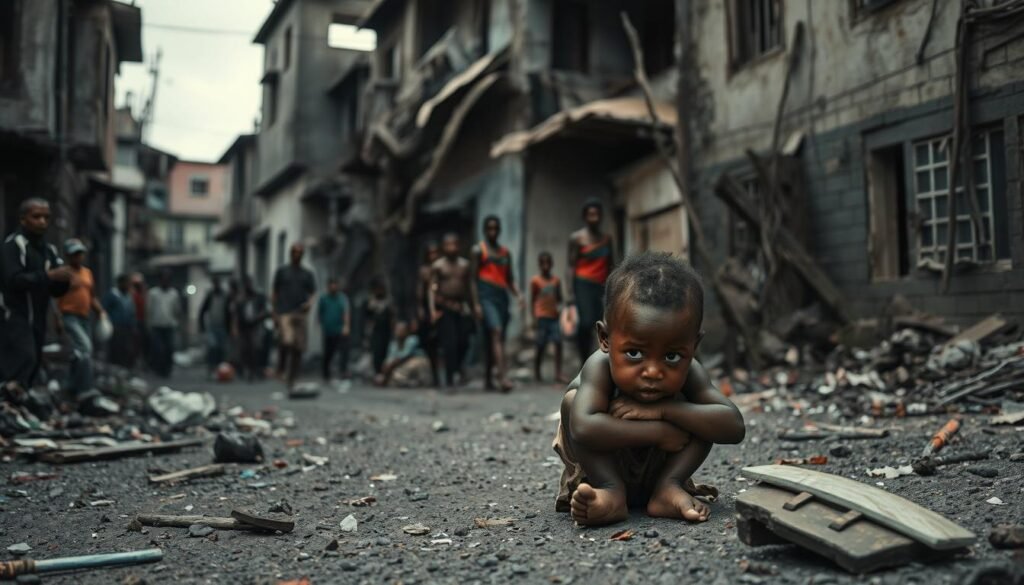
The engineered chaos has led to a significant diaspora effect, with many Haitians forced to migrate in search of safety and better opportunities. This migration results in:
The loss of skilled professionals not only hampers Haiti’s development but also leaves behind a population struggling to cope with the loss of family members. The emotional toll of family separation is profound, affecting community cohesion and individual well-being.
In conclusion, the human cost of Haiti’s engineered chaos is borne by its most vulnerable citizens. Understanding these impacts is crucial to addressing the root causes of the chaos and working towards a more stable future.
The designed disorder in Haiti is maintained by a complex web of international actors and interests. This intricate network involves foreign powers, international organizations, and non-governmental organizations (NGOs), all of which play a role in shaping Haiti’s political and economic landscape.
Foreign powers have long been involved in Haitian affairs, driven by geopolitical and economic motivations. These interests can sometimes align with, but often contradict, the best interests of the Haitian people.
The geopolitical significance of Haiti, coupled with its economic potential, makes it a target for foreign influence. Economic interests, such as resource extraction and strategic investments, often guide the policies of foreign powers towards Haiti.
The NGO industrial complex has grown significantly in Haiti, with numerous organizations operating in the country. While their intentions may be to provide aid and support, their presence often results in aid dependency rather than fostering sustainable development.
Aid, when not carefully managed, can create dependency rather than encouraging self-sufficiency. This dependency can undermine local capacities and perpetuate a cycle of reliance on foreign aid, hindering Haiti’s long-term development.
In the face of engineered insecurity, Haitians are building a movement for change. Amidst the turmoil, grassroots movements are emerging as a powerful force against the puppet politicians and oligarchs who have long controlled the narrative.
Community-based resistance is at the heart of Haiti’s fight for stability and justice. Local organizations are mobilizing communities to resist the status quo and demand better governance.
Some communities are taking matters into their own hands by establishing local governance alternatives. These initiatives aim to provide more transparent and accountable leadership, directly challenging the entrenched power structures.
As the traditional political landscape continues to fail the Haitian people, alternative leadership models are gaining traction. These models focus on inclusivity, transparency, and community engagement.
Youth-led political movements are playing a crucial role in shaping Haiti’s future. These movements are not only challenging the existing power dynamics but also bringing fresh perspectives and energy to the political arena.
The rise of grassroots movements and community-based resistance efforts signifies a turning point in Haiti’s struggle against the architects of chaos. By fostering resistance and promoting alternative leadership, Haitians are reclaiming their right to a secure and prosperous future.
Haiti’s future hinges on breaking the cycle of designed chaos that has plagued the nation for decades. The complex interplay between puppet politicians, oligarchs, and external forces has created a system that prioritizes the interests of a few over the needs of the many.
To move forward, it’s essential to understand the historical roots of this power dynamic and how it continues to shape Haiti’s political landscape today. By recognizing the methods used to manufacture crisis and maintain control, Haitians and international supporters can begin to develop strategies to counter these efforts.
The path to a more stable and equitable future involves empowering grassroots movements and community-based resistance efforts. These groups are working tirelessly to challenge the status quo and promote alternative leadership models that prioritize the needs of the Haitian people.
By supporting these initiatives and demanding greater transparency and accountability, it’s possible to break the cycle of designed chaos and create a brighter future for Haiti. The journey ahead will be challenging, but with collective effort and determination, Haiti can overcome the obstacles that have held it back for so long.
The main cause of insecurity in Haiti is the result of a complex interplay between puppet politicians, oligarchs, and external factors that design and benefit from chaos.
Historical events, including colonial rule, the Duvalier era, and U.S. occupations, have significantly contributed to Haiti’s current power dynamics and ongoing challenges.
Key figures in Haiti’s political landscape include politicians and oligarchs who often have allegiances to powerful interests, both domestic and foreign.
The “shadow government” refers to the unelected entities, such as the “Group of184” and the business elite, that exert significant influence over Haiti’s governance.
Haiti’s oligarchs control the economy through mechanisms such as monopolies, market manipulation, and corruption, which affect the broader population and contribute to economic hardship.
External powers, including international organizations and foreign governments, play a significant role in shaping Haiti’s political landscape through various means, including influencing election outcomes.
Gang violence is often weaponized and politically protected to contribute to the overall insecurity and chaos in Haiti, serving the interests of certain political and economic actors.
The human cost includes daily life struggles under insecurity, food insecurity, healthcare collapse, forced migration, brain drain, and family separation, affecting ordinary Haitians.
International actors, including foreign powers and the NGO industrial complex, contribute to Haiti’s disorder through their geopolitical and economic interests, and sometimes by reinforcing dependency rather than fostering sustainable development.
Yes, there are community-based resistance efforts and alternative leadership models emerging in Haiti, including youth-led political movements that challenge the status quo and offer hope for change.