Physical Address
304 North Cardinal St.
Dorchester Center, MA 02124
Physical Address
304 North Cardinal St.
Dorchester Center, MA 02124


Explore the "Patriot's Path" and discover how nationalism can rebuild Haiti from within.
In the face of adversity, the spirit of Haitian nationalism has the power to unite and strengthen the nation. Rebuilding Haiti requires a collective effort, driven by a shared sense of patriotism and a commitment to the country’s future.
By embracing their heritage and cultural identity, Haitians can foster a sense of unity and purpose. This patriotic unity is crucial in addressing the challenges that have hindered the country’s progress.
Through rebuilding Haiti with a focus on national pride, citizens can work together towards a brighter future. This involves not just physical reconstruction but also revitalizing the nation’s spirit and economy.
The challenges in Haiti are complex, involving political instability, economic vulnerabilities, and social fragmentation. This multifaceted crisis has deep roots, affecting various aspects of Haitian society.
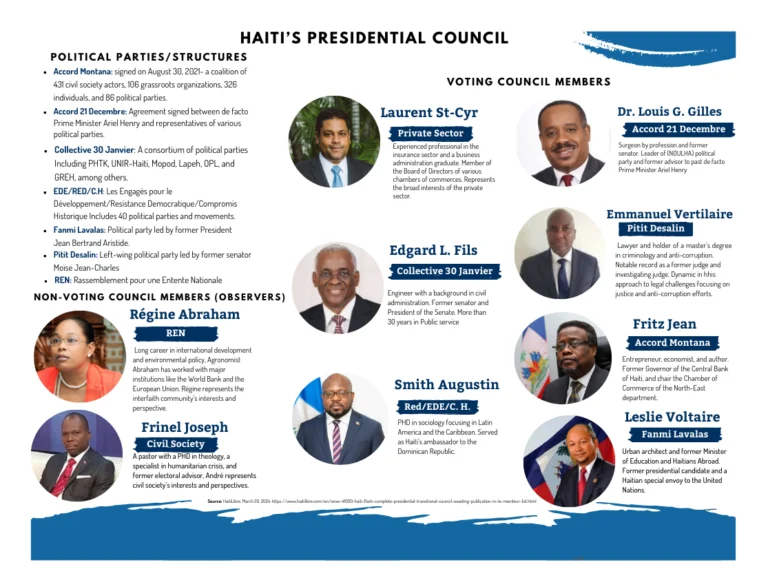
Political instability is a significant contributor to Haiti’s ongoing crisis. This instability manifests in various forms, including governance gaps and leadership challenges.
The absence of effective governance and strong leadership has led to a power vacuum, exacerbating the crisis. Weak institutions and a lack of trust in government further complicate the situation.
The political instability affects day-to-day governance, leading to inefficiencies and a lack of public services. This situation is aptly described by a quote from a recent report:
“The lack of stable governance has resulted in a decline in the quality of life for Haitian citizens.”
Haiti’s economy is highly vulnerable, with significant dependencies on foreign aid and imports. This dependency cycle hinders local economic development and perpetuates a state of economic fragility.
Social fragmentation is another critical aspect of Haiti’s crisis. The division within society hampers efforts towards national unity and rebuilding. Promoting social cohesion is essential for addressing the crisis comprehensively.
Understanding these challenges is crucial for developing effective solutions. By addressing political instability, economic vulnerabilities, and social fragmentation, Haiti can begin to rebuild and move towards a more stable future.
For decades, Haiti has been at the receiving end of external solutions that have failed to address its deep-seated issues. The reliance on foreign aid and non-governmental organizations (NGOs) has created a dependency cycle that hinders rather than helps the country’s development.
Foreign aid, while well-intentioned, often comes with conditions that benefit the donor rather than the recipient country. This can lead to a misalignment between the aid provided and Haiti’s actual needs.
The proliferation of NGOs in Haiti has created a culture of dependency. Many Haitians rely on these organizations for basic services that should be provided by the government, undermining the state’s authority and capacity.
External interventions often fail to understand the local context, leading to solutions that are not sustainable in the long term. A case in point is the post-earthquake reconstruction efforts.
| Aspect | Pre-Earthquake | Post-Earthquake |
|---|---|---|
| Housing | Inadequate housing | Temporary shelters, some permanent housing |
| Infrastructure | Poor infrastructure | Some reconstruction, but still inadequate |
| Economy | Struggling economy | Limited economic growth, still struggling |
The table illustrates the challenges faced in post-earthquake reconstruction, highlighting the limitations of external interventions. It’s clear that while there have been some improvements, much remains to be done to achieve sustainable development in Haiti.
Understanding nationalism in Haiti requires a nuanced approach that goes beyond conventional Western perspectives. Haitian nationalism is deeply intertwined with the country’s history, culture, and identity.
Western definitions of nationalism often focus on the nation-state and its institutions. However, Haitian nationalism encompasses more than just political boundaries; it includes a shared history, cultural heritage, and a collective memory of struggle and resilience.
“Nationalism is not just a political ideology; it’s a way of life, a means of survival and resistance against historical oppression.”
Haiti’s history, particularly its revolution, has played a pivotal role in shaping its national identity. The Haitian Revolution was not just a fight for independence; it was a defining moment that forged a national consciousness.
The Revolution instilled a sense of pride and unity among Haitians, creating a shared identity that transcends regional and socio-economic differences. This historical event continues to influence contemporary Haitian nationalism.
It’s crucial to differentiate between patriotic unity, which fosters a sense of shared purpose and belonging, and divisive nationalism, which can lead to exclusion and conflict. Haitian nationalism, when rooted in patriotic unity, can be a powerful force for national rebuilding and development.
Patriotic unity in Haiti means embracing its diverse heritage while working towards common goals, such as economic sovereignty and cultural renaissance.
By harnessing the power of nationalism, Haiti can overcome its current challenges and rebuild from within. This approach focuses on strengthening the nation’s internal capabilities and unity.
Haitian nationalism is rooted in the country’s history and cultural heritage. It emphasizes self-determination and the importance of collective identity. These principles are crucial for rebuilding a nation that has faced numerous external and internal challenges.
A strong collective identity can unite Haitians across different socio-economic backgrounds. This unity is essential for addressing the country’s challenges and achieving economic sovereignty. By working together, Haitians can develop solutions tailored to their unique needs.
Self-determination is a key driver of national rebuilding. It empowers Haitians to take control of their development, making decisions that reflect their values and priorities. This approach can lead to more effective and sustainable development outcomes.
In modern Haiti, the principles of nationalism can be applied in various ways:
By implementing these strategies, Haiti can make significant progress in rebuilding its economy and society. The focus on Haitian nationalism and collective identity will be crucial in this process.
Patriotic unity has been a driving force behind the rebuilding of several nations, offering valuable lessons for Haiti today. By examining historical examples, we can identify strategies that have contributed to successful national rebuilding efforts.
After World War II, Japan was in ruins, but through a concerted national effort, it achieved an economic miracle. Key factors included a unified national strategy, investment in education, and innovative manufacturing practices. Japan’s example demonstrates how patriotic unity can drive economic recovery and growth.
Rwanda’s path to recovery after the 1994 genocide is another powerful example. The government fostered national unity through reconciliation programs and community-based justice initiatives. Rwanda’s progress in rebuilding its economy and society highlights the importance of national rebuilding efforts led by a unified vision.
South Korea’s transformation from one of the poorest countries in the world to a thriving economy is attributed to its development model, which emphasized education, technological innovation, and export-driven growth. This model was driven by a strong sense of national purpose and patriotic unity.
These historical precedents offer valuable lessons for Haiti. Investing in education, fostering national unity, and adopting innovative economic strategies are critical components of a successful rebuilding effort. By learning from these examples, Haiti can chart a path toward a more prosperous future.
Fostering economic sovereignty is essential for Haiti to reclaim its economic destiny. By building a self-reliant economy, Haiti can reduce its vulnerability to external economic shocks and create a more stable future for its citizens.
One of the key strategies for achieving economic sovereignty is through the development of local industries and manufacturing. This can include:
Identifying strategic sectors for development is crucial. For Haiti, sectors such as tourism, agriculture, and renewable energy have significant potential for growth and can contribute to a more diversified economy.
| Sector | Potential Impact | Current Status |
|---|---|---|
| Tourism | High revenue potential, job creation | Underdeveloped |
| Agriculture | Food security, export opportunities | Needs modernization |
| Renewable Energy | Sustainable energy source, reduced dependency on fossil fuels | Emerging sector |
Achieving agricultural self-sufficiency is another critical component. This can be done by improving farming techniques, investing in irrigation systems, and promoting sustainable agricultural practices.

To reduce import dependencies, Haiti should focus on producing goods domestically. This includes:
Developing sustainable supply chains is vital for ensuring the long-term viability of local industries. This involves:
By implementing these strategies, Haiti can move towards achieving economic sovereignty and build a more resilient and self-reliant economy.
Haitian identity is at the heart of a cultural renaissance that can unify the nation. A cultural renaissance is essential for rebuilding Haiti from within, as it fosters a sense of pride and unity among its people.
Celebrating Haitian history and heritage is crucial in this process. By honoring the country’s rich cultural past, Haitians can reconnect with their roots and strengthen their national identity. This can be achieved through various means, such as:
The Creole language plays a vital role in fostering national unity. As a language that is unique to Haiti and shared by its people, Creole serves as a powerful symbol of Haitian identity. Promoting the use of Creole in education, media, and government can help to:
Arts and literature are significant vehicles for expressing patriotism and promoting national unity. By supporting local artists and writers, Haitians can celebrate their culture and heritage. This can be done through:
Supporting local artists and cultural institutions is vital for a thriving cultural renaissance. By investing in the arts, Haiti can promote its unique cultural identity and foster a sense of national pride. As seen in the image below, cultural expressions are a vibrant part of Haitian life.
By embracing a cultural renaissance, Haiti can reclaim its identity and move towards a more unified and prosperous future.
Nurturing patriotic citizens requires a fundamental shift in Haiti’s educational approach. Educational reform is essential for developing a curriculum that instills national pride and prepares citizens for the challenges of the modern world.
A curriculum centered on Haitian values is crucial for fostering a sense of national identity. This involves incorporating Haitian history, culture, and language into the educational framework. By doing so, students will develop a deeper understanding and appreciation of their heritage.
Technical skills are vital for Haiti’s national development. Educational institutions must focus on providing training in areas such as agriculture, technology, and vocational skills. This will equip students with the tools necessary to contribute to the country’s economic growth.
Vocational training programs are essential for preparing students for the workforce. These programs should be designed in collaboration with industry experts to ensure that graduates possess the skills required by the job market.
Haiti has long suffered from the brain drain phenomenon, where talented individuals leave the country in search of better opportunities. Educational reform can help reverse this trend by providing quality education and opportunities for professional growth within Haiti.
Rebuilding Haiti requires a governance model that prioritizes nationalist principles. This approach focuses on creating institutions that serve the Haitian people, rather than external interests.
Decentralization is key to empowering local communities. By transferring power and resources to local governments, Haiti can foster more inclusive and responsive governance.
Transparent institutions are the backbone of a functioning democracy. Building these institutions on Haitian values ensures they are culturally relevant and effective.
Implementing robust anti-corruption mechanisms is crucial. This includes transparent financial reporting, independent oversight bodies, and strict accountability measures.
Fighting corruption requires a collective effort and a strong sense of patriotic duty. Citizens must be engaged in holding officials accountable and promoting integrity in governance.
| Governance Aspect | Nationalist Approach |
|---|---|
| Decentralization | Empowers local communities |
| Transparent Institutions | Built on Haitian values |
| Anti-Corruption | Mechanisms for accountability |
By adopting a nationalist approach to governance, Haiti can build a more equitable and just society. This involves not just structural reforms but also a cultural shift towards valuing transparency and accountability.
Haiti’s diaspora community holds the key to unlocking the country’s potential. Engaging this community is crucial for fostering national unity and driving development. The diaspora can contribute significantly through knowledge transfer, investments, and other forms of support.
One of the most significant contributions of the diaspora is the transfer of knowledge and skills acquired abroad. This can be achieved through various programs, including professional exchange initiatives and educational workshops. By repatriating their skills, diaspora professionals can help build a more capable and competitive Haitian workforce.
Diaspora investments are vital for stimulating economic growth. Creating attractive investment opportunities can encourage diaspora members to invest in Haiti. This includes initiatives like diaspora bonds and development funds.
Diaspora bonds are a financial instrument that can be used to mobilize resources from the diaspora for national development projects. These bonds offer a secure and patriotic way for diaspora members to contribute to Haiti’s growth.
Effective diaspora engagement requires building strong connections between the homeland and the diaspora community. This involves creating platforms for dialogue, collaboration, and mutual support.
| Engagement Strategy | Description | Benefits |
|---|---|---|
| Knowledge Transfer Programs | Professional exchange initiatives and educational workshops | Enhanced skills, competitive workforce |
| Diaspora Bonds | Financial instruments for national development projects | Secure investment, patriotic contribution |
| Investment Opportunities | Attractive investment channels for diaspora members | Economic growth, job creation |
By leveraging the patriotism and resources of the Haitian diaspora, the country can accelerate its rebuilding process and achieve sustainable development.
While nationalism offers a promising route to rebuilding Haiti, it’s not without its hurdles. As the country embarks on this path, several key challenges must be addressed to ensure success.
One of the primary challenges is striking a balance between fostering nationalism and maintaining global cooperation. Haiti can benefit from international partnerships, but an over-reliance on foreign aid can undermine national sovereignty.
To avoid the pitfalls of isolationism, Haiti must engage in strategic international relationships that support its national interests. Maintaining beneficial international relationships is crucial.
This involves diplomatic efforts to ensure that Haiti remains a valuable partner on the global stage while protecting its sovereignty.
Another significant challenge is addressing the internal divisions and inequalities that have long plagued Haiti. By promoting inclusive national policies, Haiti can work towards a more equitable society.
By tackling these challenges head-on, Haiti can navigate the complexities of nationalist rebuilding and create a brighter future for its citizens.
Haiti’s path to recovery and prosperity lies in embracing a strong sense of nationalism and patriotic unity. By adopting “The Patriot’s Path,” Haiti can break free from the cycle of dependency on external solutions and instead, focus on self-determination and collective identity.
Through patriotic rebuilding, Haiti can reclaim its cultural heritage, develop a self-reliant economy, and nurture a sense of shared citizenship. This approach can help address the country’s current challenges, including political instability, economic vulnerabilities, and social fragmentation.
By harnessing the power of nationalism, Haiti can shape its future and create a brighter tomorrow for its citizens. The journey ahead will require dedication, resilience, and a commitment to the values that have defined Haiti’s history and identity.
“The Patriot’s Path” is a nationalist approach to rebuilding Haiti from within. It emphasizes the importance of patriotic unity, self-determination, and collective identity in addressing the country’s challenges.
Foreign aid has had a mixed impact on Haiti’s development, often creating dependencies and undermining local industries. While it has provided essential humanitarian assistance, it has not led to sustainable economic growth or self-reliance.
The Haitian diaspora can contribute to rebuilding Haiti through knowledge transfer, skills repatriation, and investment. Mechanisms like diaspora bonds and development funds can also be used to support development projects.
Balancing nationalism with global cooperation requires careful consideration of Haiti’s interests and the need for international collaboration. This can involve maintaining beneficial international relationships while prioritizing national sovereignty.
Examples include post-war Japan, Rwanda after the genocide, and South Korea’s development model. These countries demonstrate how patriotic unity and self-determination can drive rebuilding and development.
Educational reform can nurture patriotic citizens by incorporating Haitian values into the curriculum, building technical skills for national development, and implementing vocational training programs.
A cultural renaissance is essential in reclaiming and celebrating Haitian identity. It involves promoting Haitian history, heritage, and culture, as well as supporting local artists and cultural institutions.
Achieving economic sovereignty in Haiti requires developing local industries and manufacturing, achieving agricultural self-sufficiency, and reducing import dependencies. Creating sustainable supply chains is also crucial.
The core principles of Haitian nationalism include patriotic unity, self-determination, and collective identity. These principles can be harnessed to drive rebuilding and development in Haiti.
Governance and institutional reforms can support nationalist goals by decentralizing power, building transparent institutions based on Haitian values, and implementing anti-corruption mechanisms.