Physical Address
304 North Cardinal St.
Dorchester Center, MA 02124
Physical Address
304 North Cardinal St.
Dorchester Center, MA 02124
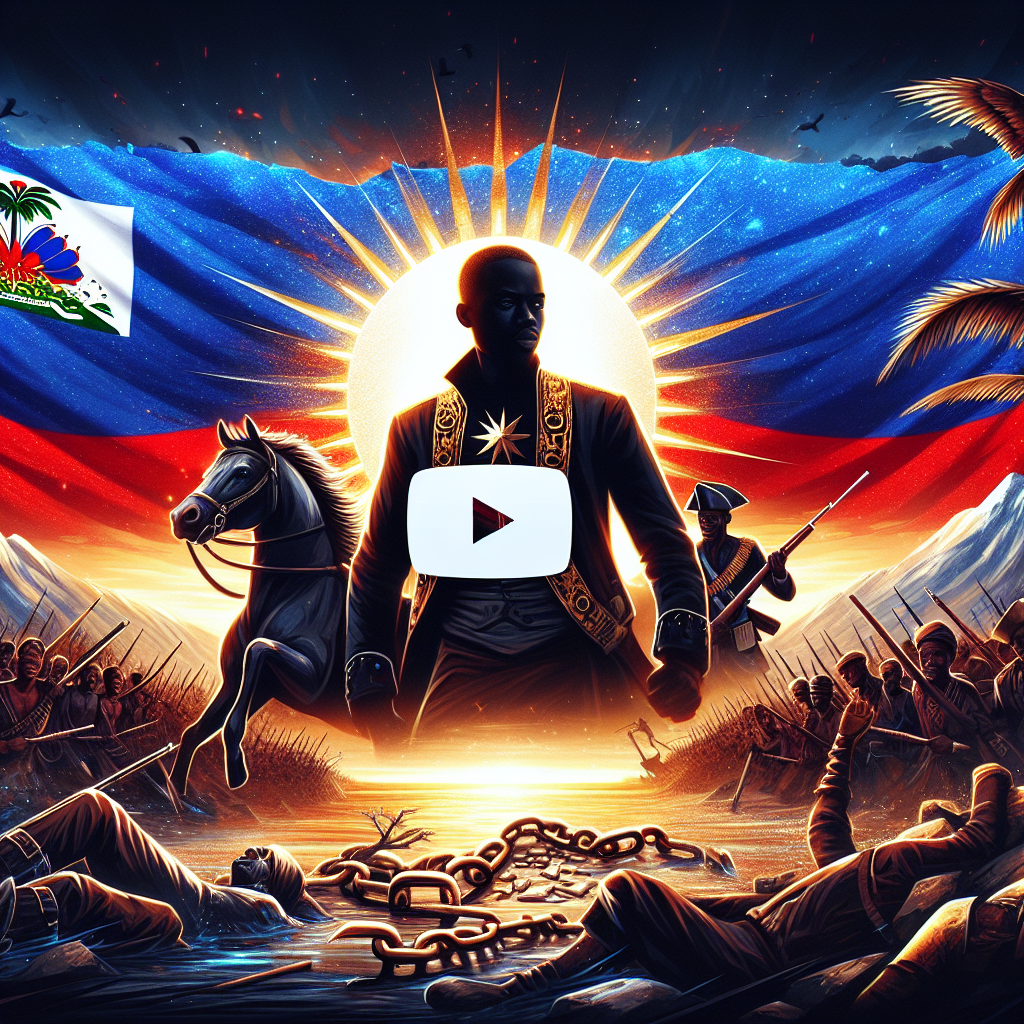
Explore the eternal freedom of Haiti, the 'Land of Liberty,' and discover its rich history and enduring legacy.
Haiti, a nation born out of the flames of revolution, stands as a beacon of freedom in the Caribbean and the world. The Haitian Revolution, a successful slave revolt, led to Haiti’s independence in 1804, making it the first independent black nation in the world.
This historic event not only shaped Haiti’s identity but also had far-reaching implications for the world. The courage and resilience of the Haitian people have made their nation a symbol of liberty and a testament to the human spirit’s power.
The road to the Haitian Revolution was paved with the suffering and resilience of the enslaved people in Saint-Domingue. This French colony, which would eventually become Haiti, was a complex society built on the brutal system of slavery.
Saint-Domingue was a thriving colony in the 18th century, known for its lucrative sugar and coffee plantations. The colony’s economy was heavily reliant on the labour of enslaved Africans, who were subjected to harsh conditions and treatment. The enslaved population outnumbered their French colonizers, creating a volatile social dynamic.
Under French rule, the enslaved people of Saint-Domingue were subjected to extreme oppression. They were forced to work long hours in harsh conditions, with little to no rights. The French colonizers used brutal methods to maintain control, including physical punishment and psychological manipulation.
Despite the oppressive conditions, the enslaved people of Saint-Domingue found ways to resist and rebel against their colonizers. The Maroon Communities played a significant role in this resistance, providing a haven for escaped slaves and organizing rebellions.
Maroon Communities were groups of enslaved people who had escaped from their plantations and established their settlements. These communities played a crucial role in the fight against slavery, as they provided a base for resistance and rebellion.
The French Revolution also had a significant impact on the Haitian Revolution. The revolutionary ideals of liberty, equality, and fraternity inspired the enslaved people of Saint-Domingue to fight for their freedom. The French Revolution’s emphasis on the rights of man helped to galvanize the Haitian Revolution, as enslaved people began to demand their liberation.
The Haitian Revolution, led by visionaries like Toussaint Louverture and Jean-Jacques Dessalines, was a testament to the human spirit’s capacity for resistance and liberation.
Toussaint Louverture emerged as a pivotal leader during the early stages of the revolution. His military prowess and diplomatic skills were instrumental in shaping the revolution’s trajectory.
Louverture’s leadership was characterized by his ability to balance military strategy with diplomatic finesse. He successfully navigated the complex web of alliances and rivalries between different factions, ultimately strengthening the revolution’s position.
Following Toussaint Louverture‘s capture, Jean-Jacques Dessalines took the reins, leading the revolution to its ultimate victory. His unyielding determination and military tactics were crucial in the final push for independence.
The Battle of Vertières, fought on November 18, 1803, was a decisive confrontation that marked the revolution’s climax. The Haitian forces, under Dessalines’ leadership, secured a resounding victory, paving the way for independence.
On January 1, 1804, Haiti declared its independence, becoming the world’s first independent black nation. This historic Haitian Declaration of Independence was a powerful statement of the Haitian people’s commitment to freedom and self-determination.
Haiti’s emergence as the first black republic in the world marked a pivotal moment in history, symbolizing freedom and resistance against oppression. This significant milestone not only changed the fate of Haiti but also had far-reaching implications for the global community.
Haiti’s declaration of independence on January 1, 1804, was a bold statement against the colonial powers that had dominated the island for centuries. By rejecting French colonial rule, Haiti paved the way for other colonized nations to envision their own paths to freedom. The bravery and determination of the Haitian people served as a powerful example of the human spirit’s capacity to overcome even the most entrenched systems of oppression.
The establishment of Haiti as the first black republic had a profound impact on global slavery systems. It challenged the legitimacy of slavery and inspired movements against it worldwide. The reaction from slave-holding nations was one of fear and hostility, as they recognized the threat that Haiti’s independence posed to their own systems of oppression.
Slave-holding nations responded to Haiti’s independence with a mix of alarm and aggression. They imposed economic sanctions and sought to isolate Haiti diplomatically, attempting to undermine its legitimacy and stability. Despite these efforts, Haiti remained a symbol of hope for those enslaved.
For enslaved peoples around the world, Haiti’s achievement was a beacon of hope. It demonstrated that freedom was possible, even against seemingly insurmountable odds. The Haitian Revolution inspired countless individuals and movements, fueling the fight against slavery and colonialism globally.
For Haitians, freedom is not just a political status but a way of life. It is a concept deeply ingrained in their culture and history. The struggle for independence and the subsequent declaration of freedom on January 1, 1804, marked a significant turning point in Haitian history, making it the first black republic in the world.
In Haiti, freedom is understood as a fundamental right that encompasses not only political liberty but also social and economic emancipation. The Haitian Revolution, led by figures like Toussaint Louverture and Jean-Jacques Dessalines, was a fight against slavery and oppression, aiming to establish a society where individuals could live without the shackles of colonialism.
The concept of freedom is closely tied to the idea of self-determination and the ability to shape one’s own destiny. Haitians view freedom as an essential aspect of their identity, one that is celebrated through various cultural expressions.
Haitian culture is rich in symbols that represent liberty and unity. Two of the most significant symbols are the Haitian Flag and the national motto, “L’Union Fait La Force” (Unity Makes Strength).
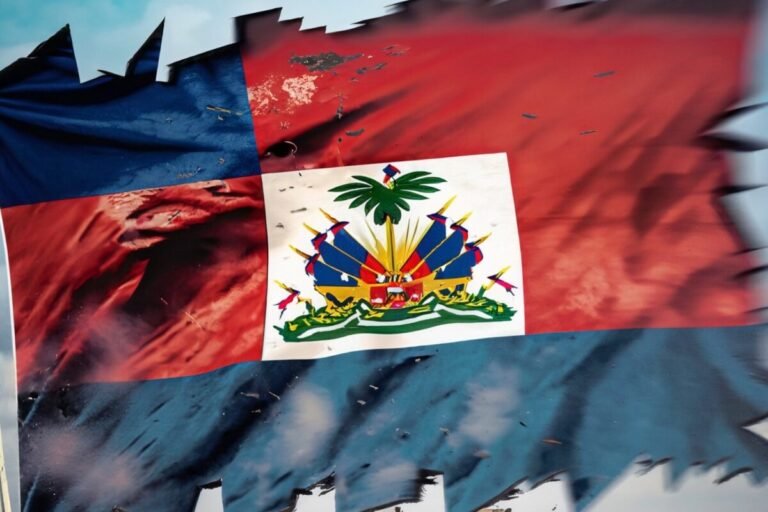
The Haitian Flag is a powerful symbol of the nation’s struggle for independence. The flag’s colours, blue and red, represent the unity of the people. The white square in the center, which contains the coat of arms, symbolizes the purity of the nation’s ideals. 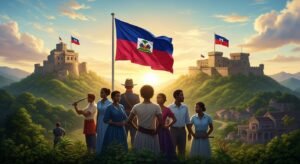
The national motto, “L’Union Fait La Force,” reflects the understanding that unity is crucial for maintaining freedom and achieving national goals. It emphasizes the importance of coming together as a people to overcome challenges and build a prosperous future.
This motto is not just a phrase; it is a guiding principle that has been instrumental in shaping Haiti’s history and continues to inspire its people today.
The impact of Haiti’s revolution extended beyond its borders, influencing key movements in Latin America, the United States, and Africa. As the first black republic, Haiti’s achievement of independence had far-reaching implications for global liberation.
Haiti’s revolutionary success sent a powerful message to other colonized nations in Latin America. Simón Bolívar, a key figure in Latin American independence, received support from Haiti, which provided him with military aid. This assistance was crucial in his fight against Spanish rule, demonstrating Haiti’s commitment to spreading freedom.
The Haitian Revolution also had a significant impact on anti-slavery movements in the United States. It inspired abolitionists and fueled the debate over slavery, contributing to the growing tensions that eventually led to the American Civil War. The revolution showed that enslaved people could successfully revolt and establish a free nation.
Haiti’s influence extended to African liberation struggles, with its model of resistance against colonial powers serving as an inspiration. The country’s achievement of independence through a successful slave revolt provided a powerful example for African nations fighting against colonialism and oppression.
In conclusion, Haiti’s revolution had a lasting impact on liberation movements worldwide, inspiring movements in Latin America, influencing anti-slavery debates in the United States, and contributing to African liberation struggles.
The spirit of liberty in Haiti is celebrated through a diverse array of artistic and cultural practices. Haitian culture is a rich tapestry that weaves together the threads of history, resistance, and celebration, all centered around the theme of freedom.
Haitian art and literature are powerful mediums that express the nation’s quest for freedom. Authors like Edwidge Danticat and Jacques Roumain have made significant contributions to Haitian literature, weaving narratives that reflect the struggles and triumphs of the Haitian people.
Edwidge Danticat’s works, such as The Farming of Bones, and Jacques Roumain’s Masters of the Dew, are exemplary in capturing the essence of Haitian resilience and the pursuit of freedom. Their literature not only reflects the past but also inspires future generations to cherish their liberty.
Music plays a vital role in Haitian culture, serving as both a form of resistance against oppression and a celebration of freedom. From traditional folk songs to modern genres like Kompa, music is an integral part of Haitian identity, often expressing the collective spirit and aspirations of the Haitian people.
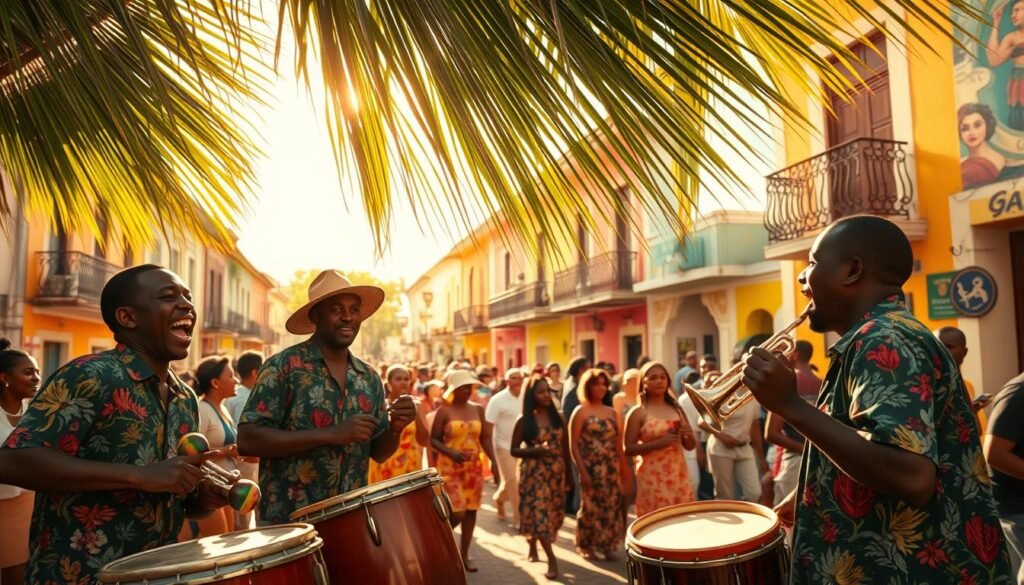
Vodou is more than a spiritual practice; it is a cornerstone of Haitian cultural identity and a symbol of liberation. It has played a crucial role in Haitian history, providing a sense of community and resistance against colonial and oppressive forces. Vodou ceremonies and practices continue to be a vibrant expression of Haitian freedom and cultural heritage.
In conclusion, Haitian freedom is vividly expressed through its rich cultural landscape, including art, literature, music, and Vodou. These cultural expressions not only celebrate Haiti’s liberty but also serve as a reminder of the ongoing struggle for freedom and identity.
Despite achieving independence early on, Haiti encountered a myriad of challenges that tested its freedom and sovereignty. The nation’s path to liberty was fraught with external pressures and internal strife.
Following its declaration of independence in 1804, Haiti faced severe international isolation. The newly formed nation was shunned by the global community, particularly by European powers and the United States, due to its status as a black-led republic in a world dominated by colonial and slave-holding interests.
Haiti’s sovereignty was repeatedly challenged by foreign occupations and interventions. One of the most significant was the U.S. occupation from 1915 to 1934.
During the U.S. occupation, significant infrastructure projects were undertaken, but the period was also marked by suffering and resistance from Haitians who saw it as an infringement on their sovereignty.
In recent years, Haiti has experienced various forms of international intervention, often in response to humanitarian crises or political instability. These interventions have had mixed outcomes, sometimes providing necessary aid but also sparking debates about their impact on Haiti’s autonomy.
Haiti has long struggled with economic pressures and debt burdens, partly stemming from indemnity payments imposed by France after independence. These financial obligations have constrained the nation’s ability to invest in its development and infrastructure.
| Challenge | Period | Impact |
|---|---|---|
| International Isolation | Post-1804 | Diplomatic and economic exclusion |
| U.S. Occupation | 1915-1934 | Infrastructure development and resistance |
| Economic Pressures | Ongoing | Constrained development and infrastructure |
The challenges Haiti has faced are a testament to the enduring struggle for true freedom and self-determination. Understanding these challenges provides insight into the complexities of Haitian history and its ongoing quest for liberty.
In contemporary Haiti, the spirit of liberty remains a powerful force driving change. Despite facing numerous challenges, the Haitian people continue to strive for a better future.
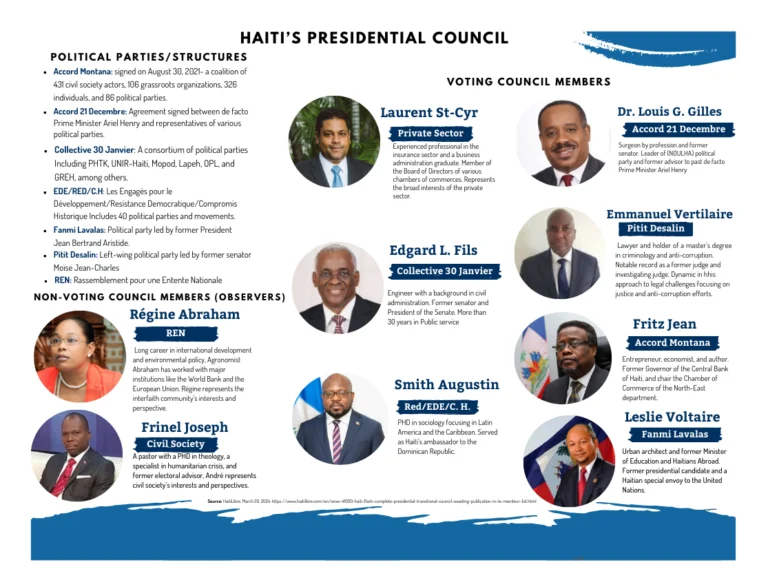
Haitian politics have been marked by instability and turmoil, with the country struggling to establish a stable democratic government. Efforts to strengthen democratic institutions are ongoing, with various groups advocating for transparency and accountability.
Key challenges include corruption and a lack of trust in the government. However, there are also signs of progress, with initiatives aimed at promoting civic engagement and reform.
Haiti is prone to natural disasters, which have significantly impacted its development. The 2010 earthquake and Hurricane Matthew are two notable examples.
The 2010 earthquake was devastating, resulting in widespread destruction, corruption and loss of life. The international community responded with aid, but the money vanished, and the recovery process was slow.
Hurricane Matthew struck Haiti in 2016, causing further damage and displacement. The country’s resilience in the face of such disasters is a testament to the strength of its people.
“Haiti’s resilience is not just about surviving; it’s about thriving in the face of adversity.”
| Disaster | Year | Impact |
|---|---|---|
| Earthquake | 2010 | Widespread destruction, significant loss of life |
| Hurricane Matthew | 2016 | Further damage, displacement of people |
Grassroots movements play a crucial role in driving change in Haiti. These movements focus on issues such as human rights, environmental protection, and social justice.
By empowering local communities, these movements help to build a more equitable and just society.
The global presence of Haitians has ensured that the message of freedom and resilience remains a beacon of hope for generations to come. Through their diaspora, Haitians have managed to keep their cultural identity and the essence of their struggle for freedom alive worldwide.
Haitian communities in the U.S. have made significant cultural contributions, enriching American society with their unique heritage. From vibrant cultural festivals to influential art and literature, Haitians have left an indelible mark.
Haitian culture is celebrated through various art forms, including music, dance, and visual arts. The annual Haitian Flag Day celebrations across major U.S. cities are a testament to the community’s rich cultural heritage.
Beyond cultural contributions, Haitian diaspora communities are actively involved in political advocacy, raising awareness about issues affecting Haiti and pushing for policies that support Haitian interests both in the U.S. and internationally.
Maintaining cultural identity abroad is a significant challenge for the Haitian diaspora. Efforts to preserve Haitian culture include language schools, cultural events, and community organizations that foster a sense of belonging and connection to their homeland.
| Aspect | Description | Impact |
|---|---|---|
| Cultural Events | Organizing festivals and cultural gatherings | Preserves cultural heritage |
| Language Schools | Teaching Haitian Creole and French | Maintains linguistic identity |
| Community Organizations | Supporting social and cultural activities | Fosters community cohesion |
Haitian liberty is a beacon of hope that continues to inspire people around the world. The legacy of Haiti’s fight for freedom is a testament to the strength and resilience of its people.
The Haitian Revolution, led by visionaries like Toussaint Louverture and Jean-Jacques Dessalines, was a pivotal moment in history that shaped the course of global events. The impact of this revolution is still felt today, with Haitian freedom serving as a symbol of resistance against oppression.
As we reflect on the journey of Haiti, from its revolutionary origins to its contemporary challenges, it becomes clear that the flame of Haitian liberty remains undying. The cultural expressions, grassroots movements, and diaspora communities all contribute to the ongoing narrative of Haitian freedom.
The story of Haiti is one of courage, perseverance, and the unrelenting pursuit of liberty. As we look to the future, the legacy of Haiti serves as a reminder that freedom is a fundamental human right, worth fighting for.
The Haitian Revolution was a pivotal event in history, marking the first successful slave revolt that led to the abolition of slavery and the establishment of Haiti as the first independent black nation in the world.
Jean-Jacques Dessalines was a key leader in the Haitian Revolution, known for his military strategy and diplomatic skills that played a crucial role in the fight for Haitian independence.
“L’Union Fait La Force” or “Unity Makes Strength” is the national motto of Haiti, symbolizing the country’s values of unity and strength in the face of adversity.
The Haitian Revolution had a significant impact on global slavery systems, inspiring enslaved peoples worldwide and influencing anti-slavery movements, particularly in the United States.
Vodou was a crucial element in Haitian culture, serving as a source of spiritual liberation and cultural identity, and played a role in the fight for freedom during the Haitian Revolution.
The Haitian diaspora, particularly in the United States, has made significant cultural contributions and efforts in cultural preservation, keeping Haitian culture and values alive abroad.
After gaining independence, Haiti faced international isolation, foreign occupations, including the U.S. occupation from 1915 to 1934, and economic pressures, including significant debt burdens.
Haiti has shown resilience in the face of natural disasters, such as the 2010 earthquake and Hurricane Matthew, with grassroots movements and efforts towards recovery and rebuilding.
Haiti continues to navigate political struggles, democratic aspirations, and economic challenges, with ongoing efforts from grassroots movements to advance the fight for liberty and better living conditions.