Physical Address
304 North Cardinal St.
Dorchester Center, MA 02124
Physical Address
304 North Cardinal St.
Dorchester Center, MA 02124
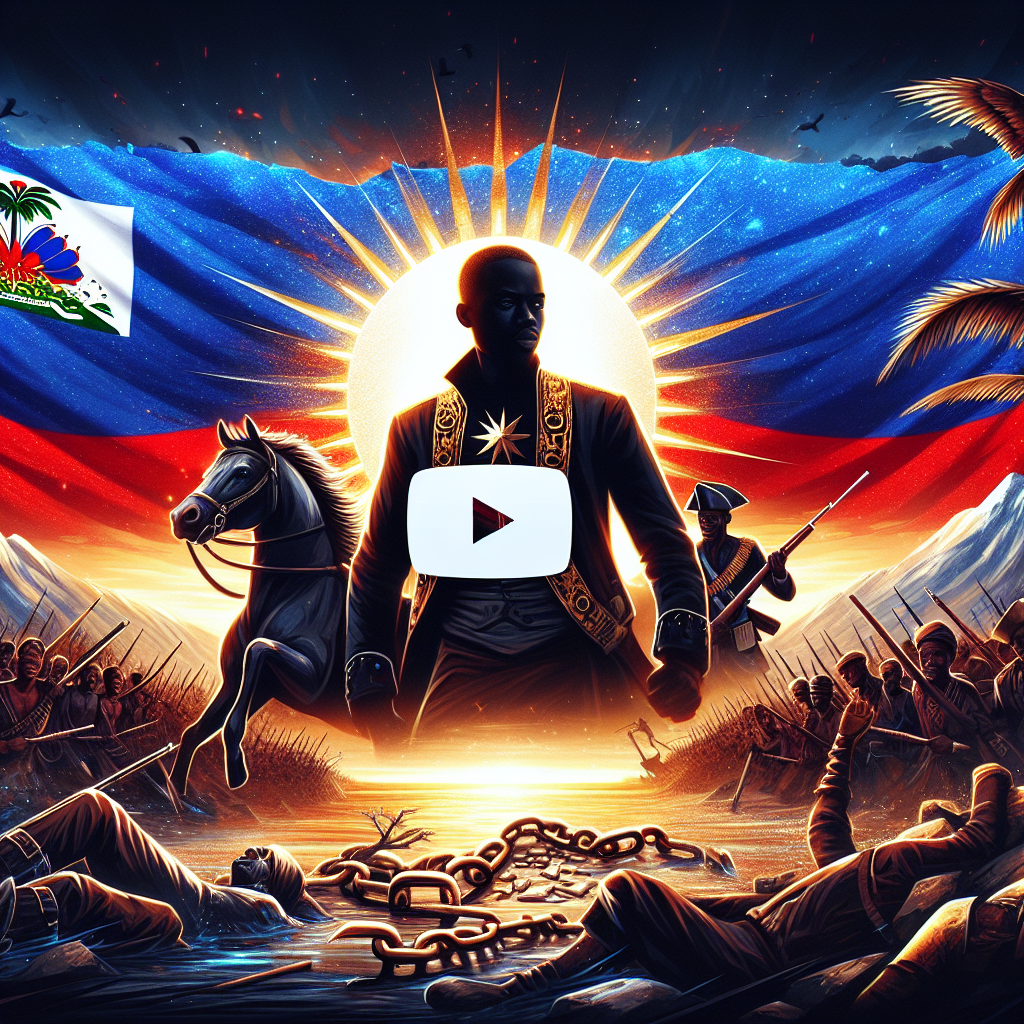

Explore Haiti's path to prosperity and the critical role of a trustworthy political class in this insightful article.
The island nation of Haiti has faced numerous challenges in recent years, hindering its development and prosperity. Despite these obstacles, there is a growing consensus on the importance of establishing a trustworthy political class to drive the country forward.
A trustworthy political class is crucial for achieving political stability, which is a prerequisite for Haiti’s development and prosperity. By having leaders who are committed to the welfare of their citizens, Haiti can begin to address its deep-seated issues and work towards a more prosperous future.
Haiti’s journey to becoming the first independent black nation in the world is marked by a complex history of revolution and political upheaval. This unique beginning has significantly influenced the country’s political development.
Haiti’s path to independence was paved by a successful slave revolt, led by figures such as Toussaint Louverture and Jean-Jacques Dessalines. This revolution, which began in 1791, not only challenged French colonial rule but also led to the establishment of Haiti in 1804. The legacy of this revolution continues to shape Haiti’s identity and political aspirations.
Since gaining independence, Haiti has experienced cycles of political instability, including numerous coups, occupations, and authoritarian regimes. These periods of instability have hindered the country’s development and contributed to its current challenges. Key factors include foreign interventions, internal power struggles, and economic difficulties.
The Duvalier family’s rule, spanning several decades, left a lasting impact on Haiti’s political landscape. François Duvalier, also known as Papa Doc, and his son Jean-Claude Duvalier, or Baby Doc, ruled with an iron fist, suppressing opposition and cultivating a culture of fear and corruption. The legacy of Duvalierism continues to influence Haiti’s political culture and governance challenges.
Understanding these historical elements is crucial for grasping the complexities of Haiti’s current political situation and the steps needed towards a more stable and prosperous future.
Haiti faces numerous political hurdles that have hindered its progress toward prosperity. The country’s political landscape is complex, with various challenges that need to be addressed to ensure stability and growth.
One of the significant challenges Haiti faces is the presence of governance gaps and institutional weaknesses. These gaps have led to ineffective governance, hindering the implementation of policies and development projects. Strengthening institutions is crucial for Haiti’s political stability.
Recent political crises have had a profound impact on Haiti, exacerbating existing challenges. These crises have led to increased instability, affecting the country’s ability to attract investment and implement long-term development plans. Understanding the impact of these crises is essential for devising effective solutions.
Security challenges, including gang violence, are another critical issue facing Haiti. Gang violence has contributed to the country’s instability, affecting citizens’ daily lives and hindering economic activities. Addressing these security challenges is vital for creating a stable environment conducive to growth.
| Challenge | Description | Impact |
|---|---|---|
| Governance Gaps | Ineffective governance due to institutional weaknesses | Hinders policy implementation and development |
| Political Crises | Instability caused by recent political events | Affects investment and long-term planning |
| Gang Violence | Security issues due to gang activities | Impacts daily life and economic activities |
In conclusion, Haiti’s current political challenges are multifaceted, requiring a comprehensive approach to address governance gaps, the impact of political crises, and security challenges. By understanding these challenges, Haiti can move toward a more stable and prosperous future.
The persistent political turmoil in Haiti has severe economic costs, impacting investment and growth. This instability creates an uncertain environment that discourages both domestic and foreign investment, crucial for economic development.
Political instability directly affects Haiti’s economic growth by deterring investors. The lack of a stable political environment means that investors are less likely to commit to long-term projects, fearing potential losses due to unrest or policy changes.
Moreover, political instability leads to lost opportunities for development. Resources that could be allocated to infrastructure, education, and healthcare are instead diverted to address immediate political crises, hindering long-term progress.
The interplay between poverty and political instability creates a vicious cycle. Poverty fuels dissatisfaction, which can lead to political unrest, while instability exacerbates poverty by undermining economic activities and investment. Breaking this cycle is crucial for Haiti’s prosperity.
In conclusion, the economic cost of political instability in Haiti is multifaceted, affecting growth, investment, and development. Addressing this issue is essential for creating a stable environment that fosters economic progress and reduces poverty.
Establishing a trustworthy political class is pivotal for Haiti’s journey towards prosperity. The current political landscape in Haiti is marked by instability and mistrust, which hinders the country’s ability to achieve sustainable economic development.
Political trustworthiness in Haiti involves leaders being transparent, accountable, and committed to the public good. It requires a shift from the historical patterns of authoritarianism and corruption that have plagued the country.
Key elements of political trustworthiness include:
There is a significant link between political trust and economic development. When citizens trust their political leaders, they are more likely to invest in the economy, comply with laws, and participate in the political process.
Economic development is fostered through stable and predictable governance, which attracts investment and promotes growth. A trustworthy political class can thus be a catalyst for Haiti’s economic prosperity.
Haiti has had instances of leaders who demonstrated integrity and a commitment to the public good. For example, leaders who have prioritized education, healthcare, and infrastructure development have contributed positively to the country’s development.
By examining these examples and understanding the importance of political trustworthiness, Haiti can move towards a more prosperous future.
The journey to a trustworthy political class in Haiti can be informed by studying successful political reforms elsewhere. By examining the experiences of other nations, Haiti can identify effective strategies for achieving political stability and prosperity.
The Caribbean region offers valuable case studies in political transformation. For instance, the Dominican Republic’s transition from authoritarian rule to democracy provides insights into the importance of institutional reforms and the role of civil society. Key reforms included constitutional changes, electoral law revisions, and the establishment of independent judicial bodies.
Beyond the Caribbean, other developing nations have undergone significant political transformations. Countries like South Korea and Chile have transitioned from authoritarian regimes to democratic systems, offering lessons on the importance of economic development, social welfare, and anti-corruption measures. These examples highlight the need for a multifaceted approach to political reform.
Successful political reforms share common elements, including strong leadership committed to change, robust institutional frameworks, and active citizen participation. By understanding these elements, Haiti can develop a tailored approach to achieving a trustworthy political class.
By learning from these examples and adapting their lessons to the Haitian context, the country can move towards a more stable and prosperous future.
For Haiti to achieve its full potential, it needs a political system that embodies transparency and accountability. A trustworthy political class is foundational to this endeavor, requiring several key building blocks to be put in place.
Transparency in governance is crucial, allowing citizens to access information about government activities and decisions. This can be achieved through open data initiatives and freedom of information laws. Accountability mechanisms, such as independent judiciary and anti-corruption agencies, ensure that those in power are held responsible for their actions.
“Transparency is not just a moral virtue; it’s a crucial component of good governance.” –
Effective anti-corruption frameworks are essential for preventing the misuse of power. This includes robust legal frameworks, independent anti-corruption bodies, and protection for whistleblowers. By implementing these measures, Haiti can significantly reduce corruption and enhance trust in its political system.
| Anti-Corruption Measure | Description | Impact |
|---|---|---|
| Robust Legal Frameworks | Laws that clearly define corruption and its penalties | Deters corrupt practices |
| Independent Anti-Corruption Bodies | Agencies that investigate and prosecute corruption | Holds officials accountable |
| Whistleblower Protection | Laws that protect individuals reporting corruption | Encourages reporting of corrupt activities |
A merit-based system for political advancement ensures that leaders are chosen based on their competence and integrity. This involves transparent selection processes and capacity-building programs for future leaders.
Establishing and enforcing ethical standards is critical for maintaining public trust. This includes codes of conduct for public officials and mechanisms for enforcing these codes. By upholding ethical standards, Haiti’s political class can demonstrate its commitment to serving the public interest.

The future of Haiti’s political leadership is being shaped in its classrooms today. Education is a critical component in the development of political leaders, providing them with the necessary knowledge, skills, and values to lead effectively.
Civic education plays a vital role in fostering a sense of citizenship and responsibility among future leaders. It educates students about their rights and duties, promoting active participation in the political process. Civic education lays the groundwork for a politically aware and engaged citizenry.
Higher education institutions in Haiti are crucial in shaping political leadership by offering specialized programs in political science, governance, and related fields. These programs equip students with a deep understanding of political systems and processes, preparing them for leadership roles.
Leadership training programs provide practical skills and experience, complementing theoretical knowledge gained through formal education. These programs often include workshops, mentorship, and hands-on projects that help develop the competencies required for effective political leadership.
| Education Level | Contribution to Political Leadership | Key Skills Developed |
|---|---|---|
| Civic Education | Fosters citizenship and political awareness | Critical thinking, civic engagement |
| Higher Education | Provides specialized knowledge in political science and governance | Analytical skills, policy development |
| Leadership Training | Offers practical leadership skills and experience | Strategic planning, public speaking |
As Haiti navigates its path to prosperity, the question of whether international support is helpful or hindering remains critical. The country’s history is replete with examples of international intervention, the impacts of which have been multifaceted.
Haiti has experienced various forms of international intervention, from military occupations to humanitarian aid. Understanding these historical patterns is crucial to assessing the effectiveness of current international support.
A key challenge is balancing Haiti’s sovereignty with the need for international support. While external aid can provide critical resources, it must be delivered in a way that respects Haitian autonomy and promotes self-determination.
Reforming international aid to focus on promoting good governance is essential. This involves shifting from mere financial aid to capacity-building initiatives that strengthen Haitian institutions.
| Aspect | Current State | Proposed Reform |
|---|---|---|
| International Aid Focus | Primarily financial aid | Capacity-building initiatives |
| Governance Impact | Limited institutional strengthening | Strengthening Haitian institutions |
| Sovereignty Consideration | Often overlooked | Respecting Haitian autonomy |
By reforming international aid and focusing on good governance, Haiti can move towards a more prosperous future, leveraging international support as a catalyst for positive change.
With millions worldwide, the Haitian diaspora is a powerful force for change. The diaspora community has the potential to significantly contribute to Haiti’s political development through various channels.
The Haitian diaspora can facilitate knowledge transfer by sharing skills and expertise gained abroad with the local population. Return migration also brings back valuable experience and new perspectives that can be applied to Haiti’s development challenges.
“The diaspora is not just a source of remittances; it’s a reservoir of skills, knowledge, and innovation that can be tapped into for development.” –
Haitians living abroad can engage in political activities that influence their homeland’s political landscape. This includes advocacy, lobbying, and supporting political initiatives that promote good governance and democracy.
Diaspora investment is crucial for Haiti’s economic and political stability. Investments can range from financial remittances to investments in businesses and infrastructure projects that create jobs and stimulate economic growth.
| Contribution | Description | Impact |
|---|---|---|
| Knowledge Transfer | Sharing skills and expertise | Enhances local capacity |
| Political Engagement | Influencing homeland politics | Promotes good governance |
| Diaspora Investment | Financial and business investments | Stimulates economic growth |
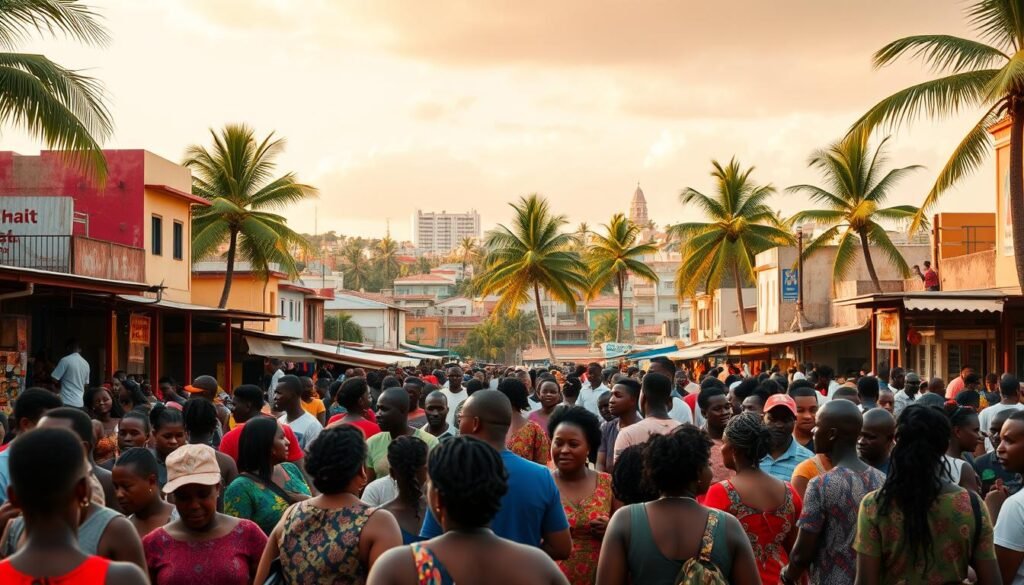
The Haitian diaspora’s contributions can be a game-changer for the country’s political and economic future. By leveraging their skills, resources, and influence, the diaspora can help build a more stable and prosperous Haiti.
Haiti’s path to a more transparent and accountable political system lies significantly in the hands of its grassroots movements and civil society. These entities are crucial in promoting political accountability, creating platforms for new political voices, and ensuring media transparency.
Grassroots movements are essential in holding political leaders accountable. They organize protests, monitor government activities, and advocate for policies that benefit the broader population rather than just a privileged few. By doing so, they create a level of transparency that is often lacking in Haiti’s political landscape.
Civil society organizations play a vital role in identifying and nurturing new political talent. They provide training and support to individuals who are committed to positive change, thereby enriching the political discourse with fresh perspectives. This not only revitalizes the political scene but also offers the Haitian people a more diverse range of leadership options.
Media transparency is another critical aspect of promoting political accountability. A free and independent media can expose corruption, highlight government inefficiencies, and provide a platform for public debate. In Haiti, a robust media landscape can significantly enhance the political environment by ensuring that citizens are well-informed and that government actions are subject to public scrutiny.
| Key Actors | Roles | Impact |
|---|---|---|
| Grassroots Movements | Organizing protests, monitoring government | Increased political accountability |
| Civil Society Organizations | Nurturing new political talent | Diversification of political leadership |
| Media | Exposing corruption, public debate | Enhanced political transparency |
Political reform in Haiti is crucial for the country’s prosperity and involves several practical steps. To foster a more stable and trustworthy political environment, Haiti must undertake comprehensive reforms that address the root causes of political instability.
A key step towards political reform is revising the constitution to ensure it reflects the current needs and aspirations of the Haitian people. This includes implementing electoral reforms to make the voting process more transparent and inclusive. As noted by Haitian political analyst, “A constitutional reform that is inclusive and transparent is essential for Haiti’s political stability.”
“A constitutional reform that is inclusive and transparent is essential for Haiti’s political stability.”
Electoral reforms should focus on creating an independent electoral commission, improving voter registration processes, and ensuring the security of polling stations.
| Reform Area | Current Challenges | Proposed Solutions |
|---|---|---|
| Constitutional Reform | Outdated provisions | Inclusive drafting process |
| Electoral Reforms | Lack of transparency | Independent electoral commission |
Establishing independent institutions is vital for ensuring that power is distributed evenly and that no single entity dominates the political landscape. This includes strengthening the judiciary and anti-corruption agencies.
Key institutions to focus on include:
Creating pathways for new political talent is essential for bringing fresh perspectives into the political arena. This can be achieved through leadership training programs and civic education.
Incentivizing ethical behavior among politicians can be achieved through legislation that rewards integrity and punishes corruption. This includes laws that protect whistleblowers and ensure transparency in political financing.
Haiti stands at a crossroads, with the potential for a prosperous future hinging on significant political transformation. The journey to achieving this future requires a trustworthy political class that prioritizes the nation’s development over personal gain. By understanding the historical context of Haiti’s political landscape and addressing current challenges, the groundwork for a stable and prosperous nation can be laid.
A political transformation that incorporates transparency, accountability, and merit-based leadership is crucial. This shift can foster an environment conducive to economic growth, attracting investment and reducing poverty. The role of education, international support, and the Haitian diaspora will be vital in shaping a political system that serves the people’s interests.
By implementing practical steps such as constitutional and electoral reforms, building independent institutions, and developing political talent pipelines, Haiti can move towards a brighter future. The path to Haiti prosperity is complex, but with a committed and trustworthy political class, the nation can overcome its challenges and achieve a prosperous future.
Haiti’s political landscape is characterized by governance gaps, institutional weaknesses, and security challenges, including gang violence, which hinder the country’s development and stability.
Political instability directly impacts Haiti’s economy by deterring investment, hindering growth, and creating a cycle of poverty that further destabilizes the political environment.
Education is crucial for developing political leadership in Haiti, with civic education, higher education, and leadership training programs contributing to the development of informed, capable leaders.
The Haitian diaspora can contribute through knowledge transfer, political engagement from abroad, and investment in political development, bringing new perspectives and resources to Haiti’s political landscape.
A trustworthy political system in Haiti would involve transparency and accountability mechanisms, anti-corruption frameworks, merit-based political advancement, and ethical standards with effective enforcement.
Practical steps toward political reform include constitutional and electoral reforms, building independent institutions, developing political talent pipelines, and creating incentives for ethical political behavior.
International support can be reformed by balancing sovereignty with necessary support, focusing on aid that promotes good governance, and implementing reforms that support Haiti’s long-term development goals.
Grassroots movements and civil society play a crucial role in promoting political accountability, creating platforms for new political voices, and enhancing political transparency through the media and other channels.