Physical Address
304 North Cardinal St.
Dorchester Center, MA 02124
Physical Address
304 North Cardinal St.
Dorchester Center, MA 02124
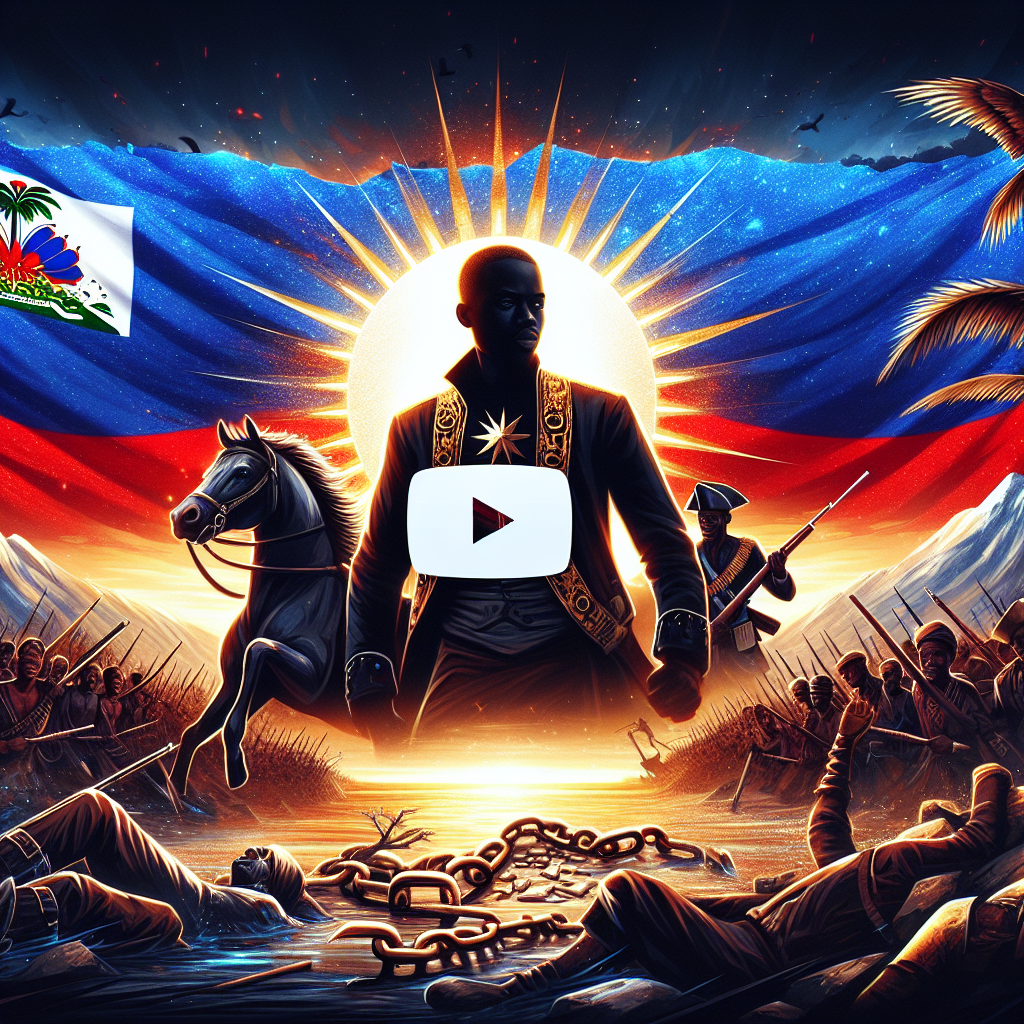
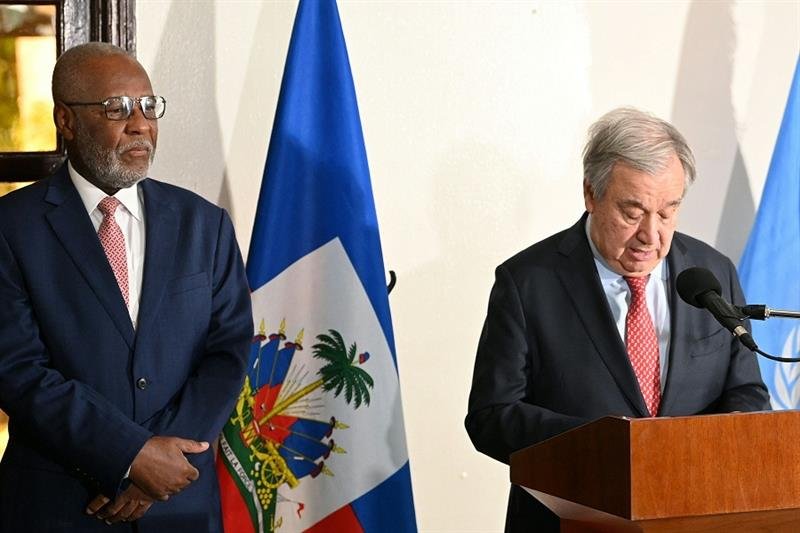
Haiti's UN membership: Evaluating the ongoing benefits and challenges for the Caribbean nation.
Haiti’s relationship with the United Nations (UN) has been a cornerstone of its international relations since joining the organization in 1945. As a member, Haiti has participated in various UN initiatives aimed at promoting peace, security, and cooperation among nations.
The benefits of UN membership for Haiti are multifaceted, including access to development aid, humanitarian assistance, and a platform for international diplomacy. This membership has been crucial for Haiti, especially during times of crisis, providing the country with the support needed to address various challenges.
As we explore the significance of Haiti’s UN membership, it’s essential to consider the broader context of Haiti’s international relations and how they impact the country’s development and stability.
The year 1945 marked a significant milestone for Haiti as it became a founding member of the United Nations. This membership was a crucial step in Haiti’s journey on the international stage, offering the country a platform to engage in global affairs.
Haiti’s path to UN membership was facilitated by its participation in the 1945 United Nations Conference on International Organization in San Francisco. As one of the original members, Haiti was among the 51 countries that signed the United Nations Charter.
As the world’s first black republic, Haiti brought a unique perspective to the UN. Its history of independence, dating back to 1804, positioned it as a symbol of freedom and self-determination.
The early expectations surrounding Haiti’s UN membership included hopes for economic development and international cooperation. The UN Charter’s emphasis on promoting peace, security, and cooperation among its members resonated with Haiti’s aspirations for growth.
Initially, Haiti’s role in the UN focused on participating in General Assembly discussions and contributing to UN agencies. This involvement allowed Haiti to voice its concerns and collaborate with other nations on issues of mutual interest.
| Year | Event | Significance |
|---|---|---|
| 1945 | Haiti becomes a UN founding member | Participation in the UN Conference on International Organization |
| 1804 | Haiti gains independence | First black republic in the world |
Understanding the UN’s framework is essential to grasping how Haiti benefits from its membership. The UN’s involvement in Haiti is multifaceted, involving various support systems and agencies designed to address the country’s diverse needs.
The UN provides support to Haiti through a complex framework that includes various agencies and programs. This structure is designed to address different aspects of Haiti’s development, from economic growth to humanitarian assistance.
Haiti, as a member state, has representation in the UN General Assembly, where it participates in decision-making processes. The country’s voting power is a crucial aspect of its membership, allowing it to influence UN policies and programs.
Several key UN agencies are actively involved in Haiti, including the United Nations Development Programme (UNDP), the United Nations Children’s Fund (UNICEF), and the World Health Organization (WHO).
The UNDP focuses on supporting Haiti’s development through initiatives aimed at reducing poverty and promoting sustainable development.
UNICEF works to improve the lives of children in Haiti, providing support in areas such as education, health, and protection.
The WHO plays a critical role in strengthening Haiti’s health systems, responding to health crises, and improving overall health outcomes.
The United Nations has been instrumental in providing economic support to Haiti through its development aid initiatives. This support has been crucial in addressing various economic challenges faced by the country.
The UN has launched several economic programs in Haiti aimed at promoting sustainable development. These programs focus on areas such as infrastructure development, agriculture, and vocational training. For instance, the UN Development Programme (UNDP) has been actively involved in supporting Haiti’s economic growth through initiatives like the Country Programme Document, which outlines strategic priorities for development cooperation.
Development assistance from the UN has had a significant impact on Haiti’s local economy. Some of the key benefits include:
Despite the benefits, there have been challenges in the implementation and distribution of aid. These include:
To assess the effectiveness of UN interventions, it’s essential to examine economic metrics before and after the implementation of these programs. Key indicators include GDP growth rate, unemployment rate, and poverty levels. While there have been improvements in some areas, challenges persist, highlighting the need for continued support and strategic planning.
In conclusion, the UN’s development aid has contributed significantly to Haiti’s economic development, despite facing several challenges. Continued efforts and strategic planning are necessary to maximize the impact of these initiatives.
The UN’s peacekeeping presence in Haiti has been a subject of both praise and criticism, as seen in the MINUSTAH mission.
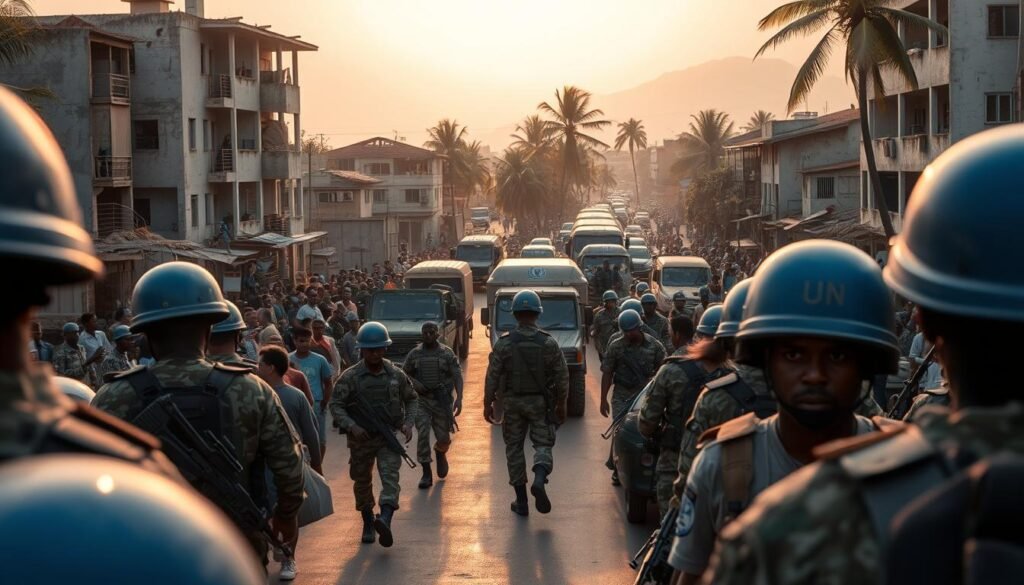
MINUSTAH was established in 2004 with the primary goal of stabilizing Haiti after political turmoil. It aimed to enhance security, promote democratic processes, and support the Haitian government in rebuilding the country.
During its tenure, MINUSTAH played a crucial role in maintaining security, particularly during the turbulent periods following the 2010 earthquake.
Despite its efforts, MINUSTAH faced significant controversies.
One of the most severe criticisms was related to the cholera outbreak in 2010, which was linked to UN personnel. The outbreak resulted in thousands of deaths and widespread illness.
The UN has acknowledged responsibility for the outbreak and has taken steps to compensate victims, though the issue remains a point of contention.
MINUSTAH was also marred by allegations of sexual abuse and exploitation by some of its personnel. These allegations highlighted the need for stricter accountability measures within UN peacekeeping missions.
Following the 2010 earthquake, the UN’s role in Haiti evolved to address the humanitarian crisis. The security presence was crucial in maintaining order and facilitating aid distribution.
In 2019, MINUSTAH was succeeded by the United Nations Integrated Office in Haiti (BINUH), which focuses on supporting the Haitian government’s efforts to promote stability and development.
BINUH continues the legacy of MINUSTAH by addressing ongoing security challenges and promoting human rights.
In the face of numerous natural disasters, the UN has been instrumental in providing disaster response and relief efforts in Haiti.
The UN has been actively involved in responding to Haiti’s natural disasters, providing critical aid and support to affected communities.
The UN played a crucial role in responding to the 2010 earthquake, coordinating relief efforts and providing essential services such as food, shelter, and medical care.
In 2016, the UN assisted Haiti in responding to Hurricane Matthew, delivering emergency aid and supporting recovery efforts to help communities rebuild.
The UN has also been involved in addressing health crises in Haiti, including disease outbreaks and improving access to healthcare services.
The UN has implemented various long-term humanitarian strategies in Haiti, focusing on sustainable development and resilience. Some of the key initiatives include:
These efforts have shown varying degrees of success, with some initiatives demonstrating significant positive impact on the ground.
As Haiti continues to face various challenges, the value of its UN membership is being reassessed. The country’s relationship with the UN is complex, involving economic aid, peacekeeping missions, and humanitarian interventions.
A thorough cost-benefit analysis of Haiti’s UN membership reveals both positive and negative aspects. On the positive side, the UN has provided significant economic aid and supported development projects. For instance, the UN’s Development Programme has funded initiatives aimed at improving infrastructure and promoting economic growth. However, the costs associated with maintaining this membership, including financial contributions and potential loss of sovereignty, must also be considered.
Local perspectives on the UN presence in Haiti vary widely. Some Haitians appreciate the security and stability provided by UN peacekeeping missions, while others criticize the missions for not doing enough to address the root causes of instability. “The UN has been a mixed blessing for Haiti,” says Dr. Jean-Pierre, a Haitian economist. “While they have brought some stability, their presence has also created dependencies.”
Experts assessing the Haiti-UN relationship highlight the need for a more nuanced approach. “The UN needs to shift from a paternalistic model to one that empowers local communities and governments,” argues Dr. Smith, an international relations expert. This view is supported by various studies indicating that sustainable development is more likely when local stakeholders are actively involved in decision-making processes.
The measurable outcomes of UN involvement in Haiti include improvements in healthcare, education, and infrastructure. For example, UN-supported programs have led to increased access to clean water and healthcare services. However, challenges persist, and the effectiveness of these interventions is often debated. A detailed analysis of these outcomes is crucial to understanding the overall impact of UN membership on Haiti.
The UN’s involvement in Haiti has raised important questions about political stability, governance, and the country’s sovereignty. As Haiti continues to navigate its complex relationship with the UN, it is crucial to examine the political implications of this membership.
The UN’s presence in Haiti has had a multifaceted impact on the country’s governance and political stability. On one hand, UN peacekeeping missions have contributed to maintaining order and stability. On the other hand, there have been concerns about the influence of external forces on Haiti’s internal political processes.
Stabilizing Effect: UN missions have provided a stabilizing effect, particularly during periods of political turmoil. For instance, the MINUSTAH mission played a crucial role in maintaining security during the post-earthquake period.
The extent of UN intervention in Haiti’s internal affairs has sparked debates about sovereignty. While the UN’s intentions are often centered around providing aid and support, there are concerns that such interventions may undermine Haiti’s self-determination.
Balancing Support and Sovereignty: It is essential to strike a balance between providing necessary support and respecting Haiti’s sovereignty. This involves ensuring that UN interventions are aligned with the needs and priorities of the Haitian people.
The UN has supported various political reform initiatives in Haiti, with mixed results. Some initiatives have led to significant improvements in governance, while others have faced challenges and criticisms.
Reform Challenges: One of the key challenges has been ensuring that reforms are sustainable and tailored to Haiti’s specific context. The UN’s role in supporting these reforms has been crucial, but it requires careful planning and collaboration with local stakeholders.
Finding the right balance between international support and self-determination is critical for Haiti’s political stability and sovereignty. The UN’s role should be supportive rather than prescriptive, enabling Haiti to take ownership of its development and governance.
Empowering Local Leadership: Empowering local leadership and ensuring that international support is aligned with national priorities can help achieve this balance. This approach fosters a more sustainable and equitable development process.
Haiti’s multifaceted crisis, encompassing gang violence, political instability, and economic hardship, poses significant challenges for the UN’s response efforts.
Gang violence has escalated dramatically in Haiti, contributing to a severe deterioration in security. The UN has been working to address this issue through various peacekeeping and security initiatives.
Political instability remains a significant challenge, with ongoing struggles for power and a lack of effective governance. The UN is engaged in efforts to support political stability and strengthen governance structures.
Haiti is also facing a severe economic crisis, compounded by food insecurity. The UN has launched programs aimed at addressing these economic challenges and improving food security.
The UN is adopting a multifaceted approach to address Haiti’s challenges, including supporting security efforts, promoting political stability, and implementing economic development programs.
The effectiveness of the UN’s current strategies can be seen in various metrics:
| Indicator | Pre-UN Intervention | Post-UN Intervention |
|---|---|---|
| Gang Violence Incidents | 500 (avg. per month) | 350 (avg. per month) |
| Political Stability Index | 40/100 | 55/100 |
| Food Insecurity Rate | 60% | 45% |
The future of Haiti’s membership in the UN is poised at a critical juncture, with emerging opportunities and obstacles on the horizon. As the global landscape continues to evolve, Haiti’s relationship with the UN is likely to be reshaped, presenting new avenues for cooperation and growth.
Haiti’s ongoing engagement with the UN offers several emerging opportunities, including enhanced economic development and improved security. However, challenges such as gang violence, political instability, and economic crises must be addressed to fully leverage these opportunities. The UN can play a crucial role in supporting Haiti’s efforts to stabilize its political environment and foster economic growth.
Key areas of focus include:
Reform within the Haiti-UN relationship is essential to address the current challenges effectively. This could involve revising the mandate of the current UN mission in Haiti, the BINUH, to better align with the country’s evolving needs. Reform possibilities might include:
“The UN’s role in Haiti must evolve to meet the changing needs of the country. This includes a greater focus on sustainable development and local capacity building.” –
Exploring alternative models for international support can provide Haiti with more flexible and effective solutions. This might involve:
| Model | Description | Potential Benefits |
|---|---|---|
| Decentralized Cooperation | Direct collaboration between Haitian local governments and international partners | Increased local ownership, improved responsiveness |
| South-South Cooperation | Collaboration between Haiti and other developing countries | Shared experiences, relevant solutions |
| Public-Private Partnerships | Collaboration between government entities and private sector organizations | Increased investment, innovation |
To maximize the benefits of its relationship with the UN, Haiti must prioritize strategic areas of cooperation. This includes focusing on sustainable development, improving security, and enhancing governance. By aligning its priorities with the UN’s capabilities, Haiti can leverage international support to achieve its development goals.
Haiti’s membership in the United Nations has been a complex and multifaceted relationship, marked by both significant achievements and challenges. As we evaluate the path forward, it is essential to consider the key findings from our analysis.
The UN has played a crucial role in supporting Haiti’s development, providing humanitarian aid, and promoting peace and security. However, the relationship has also been criticized for its impact on Haiti’s sovereignty and the effectiveness of aid implementation.
Moving forward, it is crucial for Haiti and the UN to work together to address the current challenges facing the country, including gang violence, political instability, and economic crisis. A more collaborative and inclusive approach can help ensure that the UN’s support is tailored to Haiti’s specific needs and priorities.
By evaluating Haiti’s UN membership and identifying areas for improvement, we can chart a more effective path forward, one that balances international support with Haitian self-determination and promotes sustainable development and peace.
Haiti became a member of the United Nations on October 24, 1945, and has since been actively involved in various UN initiatives and programs.
The UN provides economic support to Haiti through various programs, including the United Nations Development Programme (UNDP), which focuses on sustainable development and poverty reduction.
UN peacekeeping missions, such as MINUSTAH and BINUH, have been deployed in Haiti to maintain stability, security, and support for the Haitian government.
The UN has played a crucial role in responding to natural disasters in Haiti, including the 2010 earthquake and Hurricane Matthew, by providing humanitarian assistance and support.
Haiti’s UN membership provides access to international support, development aid, and humanitarian assistance, which have contributed to the country’s development and stability.
Challenges include concerns about sovereignty, the effectiveness of aid implementation, and the need for reform within the UN-Haiti relationship.
The World Health Organization (WHO) and other UN agencies have worked to address health crises in Haiti, including outbreaks and other health-related issues.
The current UN mission in Haiti is the United Nations Integrated Office in Haiti (BINUH), which focuses on supporting the Haitian government and promoting stability and security.
To maximize benefits, Haiti can prioritize strategic areas for UN support, promote effective aid implementation, and engage in ongoing dialogue with the UN to address emerging challenges.
Future prospects include emerging opportunities for cooperation, reform possibilities within the relationship, and alternative models for international support.