Physical Address
304 North Cardinal St.
Dorchester Center, MA 02124
Physical Address
304 North Cardinal St.
Dorchester Center, MA 02124
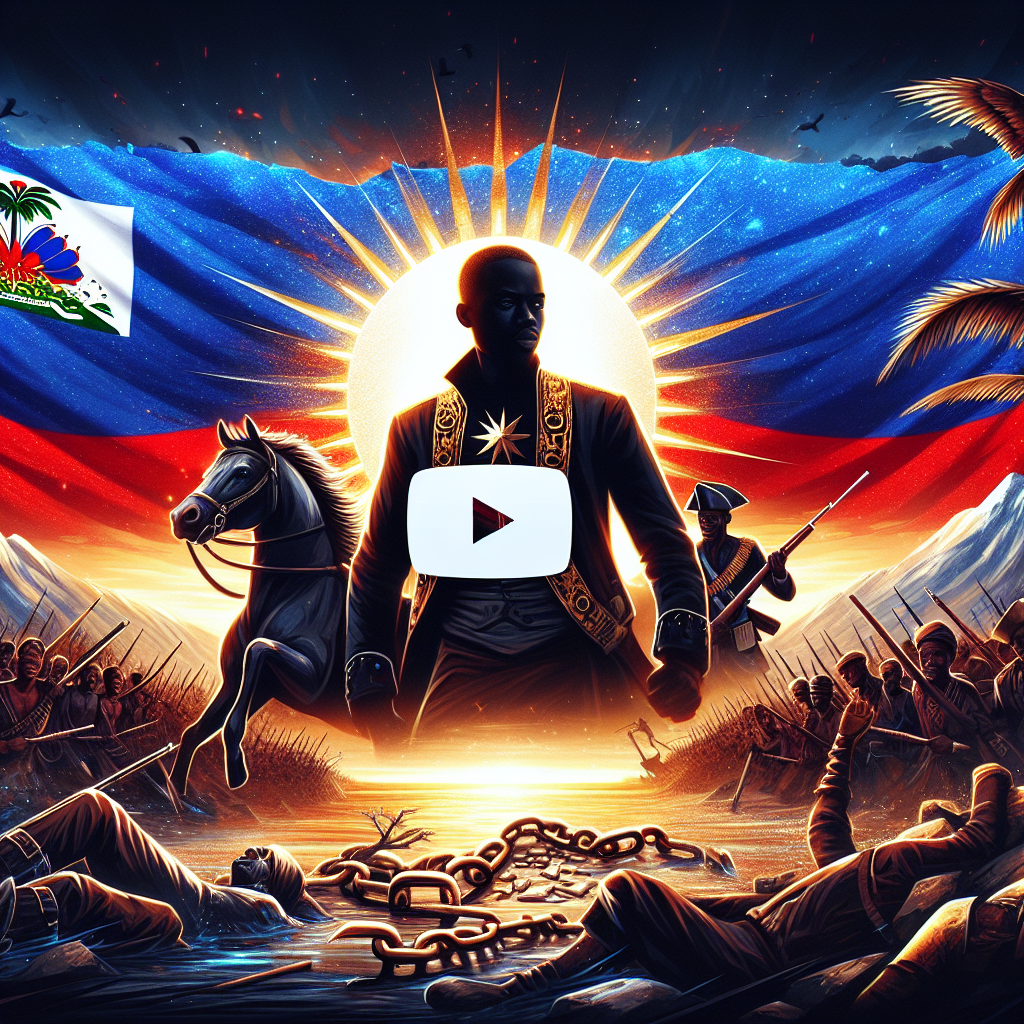

Uncover the grip of Haiti's oligarchy and how their elite interests contribute to the country's instability.
Haiti’s ongoing turmoil has left many wondering about the root causes of its instability. Beneath the surface of political unrest and economic hardship lies a complex web of elite interests manipulating the system to maintain their power.
The country’s oligarchy has long been accused of exploiting Haiti’s resources for their own gain, perpetuating a cycle of poverty and violence. As a result, the Haitian people continue to suffer, caught in a struggle between competing elite factions vying for control.
Haiti’s past is a layered narrative of oppression, resistance, and the relentless pursuit of power. Understanding this complex history is crucial to grasping the roots of the country’s current instability.
Haiti was a French colony, Saint-Domingue, exploited for its vast resources and enslaved population. The brutal conditions and colonial exploitation fueled the Haitian Revolution, a successful slave revolt that led to Haiti’s independence in 1804. This revolutionary freedom was a beacon of hope, but it also set the stage for future power struggles.
Following independence, a new elite emerged, often composed of former free people of color and military leaders. This group began to consolidate power, laying the groundwork for future oligarchies. The formation of this elite was influenced by both internal dynamics and external pressures, including economic dependencies and political maneuverings.
The 20th century saw significant power consolidation in Haiti, with various regimes and leaders vying for control. The Duvalier dictatorship, which lasted from 1957 to 1986, exemplified this consolidation, with a tight grip on political, economic, and social life. This period reinforced the oligarchic structures that continue to influence Haiti today.
The historical context of Haiti’s power structures reveals a complex interplay of elite formation and power consolidation, shaped by both domestic and international factors. Understanding this history is key to addressing the country’s ongoing challenges.
Understanding Haiti’s oligarchy requires examining the economic elite and their political connections. The country’s power structure is characterized by a complex interplay between traditional families, political figures, and foreign business interests.
Haiti’s economic elite is dominated by a handful of influential families, known as the “familles traditionnelles.” These families have maintained their power and wealth over generations through strategic business dealings and strategic marriages.
The “familles traditionnelles” have significant holdings in various sectors, including finance, commerce, and real estate. Some of the key family networks include:
| Family Name | Primary Business Interests | Notable Holdings |
|---|---|---|
| Brandt & Vorbe | Finance, Telecommunications | Haiti’s largest private bank, telecommunications company |
| Mevs & Acra | Commerce, Real Estate | Major import-export businesses, a significant real estate portfolio |
| Bigio | Manufacturing, Construction | Leading manufacturer of construction materials, major construction projects |
These families have developed sophisticated mechanisms to transfer their wealth across generations, including strategic marriages, trusts, and holding companies. This ensures the continuity of their economic influence.
Haiti’s political landscape is closely tied to its economic elite. Many political leaders have direct connections to the influential families or have built their careers through alliances with these families.
For instance, some political figures have family ties to the economic elite, while others have been supported by these families through campaign financing or other means.
Foreign business interests also play a significant role in Haiti’s economy and, by extension, its oligarchy. These interests often form partnerships with local families and businesses, further entrenching the existing power structure.
Examples include international corporations partnering with Haitian companies to exploit natural resources or establish new industries, with the economic elite often serving as local partners or facilitators.
Haiti’s instability is deeply rooted in the oligarchy’s grip on the nation’s economy, politics, and resources. This entrenched elite maintains its power through various mechanisms that stifle competition, manipulate political processes, and control vital infrastructure.
The Haitian oligarchy concentrates wealth by dominating key markets, particularly in the import-export sector. By controlling the flow of goods, they dictate prices and limit opportunities for smaller businesses and entrepreneurs. This market control stifles economic growth and perpetuates inequality.
For instance, a few large conglomerates dominate the import of staple goods like rice and sugar, allowing them to manipulate prices to their advantage. This not only affects consumers but also hampers local producers who cannot compete with the imported goods.
The oligarchy influences Haiti’s political system through various tactics, including funding political campaigns and bribing officials. This ensures that their interests are represented and protected, often at the expense of the general population.
Moreover, they use their economic leverage to shape policy decisions that favor their business interests. This can involve manipulating legislation or regulatory frameworks to maintain their grip on the economy.
By controlling critical infrastructure such as ports, transportation networks, and energy supplies, the oligarchy can dictate the terms of economic activity in Haiti. This infrastructure control allows them to extract rents and limit access to essential services for the broader population.
For example, control over ports enables them to regulate the flow of goods, further consolidating their market control.
Many media outlets in Haiti are owned or influenced by members of the oligarchy. This control over media narratives allows them to shape public opinion, suppress critical information, and maintain a favourable image of their activities.
By limiting the dissemination of information that could be detrimental to their interests, the oligarchy maintains its grip on power and continues to influence the direction of the country.
The oligarchic structure in Haiti has profound economic impacts on the country, particularly in how markets are captured and controlled. This control is exercised through various means, including monopolies, financial dominance, and real estate control.
Haiti’s oligarchs control key import-export businesses, creating monopolies that allow them to dictate prices and manipulate market conditions. This not only stifles competition but also inflates prices for consumers.
The financial sector in Haiti is dominated by a few powerful institutions and individuals. This concentration of financial power allows oligarchs to control access to capital, influencing who can invest in businesses and projects.
| Sector | Control Mechanism | Impact |
|---|---|---|
| Import-Export | Monopolies | Price inflation |
| Banking | Financial dominance | Limited access to capital |
| Real Estate | Land ownership | Displacement of locals |
Oligarchs in Haiti also control significant portions of real estate and land. This control can lead to the displacement of local communities as land is acquired for lucrative development projects.
In response to the economic conditions created by oligarchic control, many Haitians turn to the informal economy as a means of survival. This includes street vending, small-scale agriculture, and other informal activities.
The economic impacts of Haiti’s oligarchy are far-reaching, affecting not just the economy but also the social fabric of the country. Understanding these dynamics is crucial for developing strategies to address the challenges faced by Haiti.
In Haiti, the oligarchy employs a range of tactics to subvert democratic processes and maintain control. This manipulation is multifaceted, targeting various aspects of the political system.
The oligarchy’s influence over Haiti’s electoral processes is significant, with election financing and vote buying being key strategies. By controlling campaign funds, oligarchs can dictate who runs and who wins, often ensuring that elected officials are beholden to their interests.
The judicial system in Haiti is another critical area where the oligarchy exerts its influence. Through judicial capture, they can manipulate legal outcomes, protecting their interests and silencing opposition. This capture is often achieved by appointing sympathetic judges or influencing court decisions.

The use of security forces and private militias is a more coercive method of maintaining control. These groups can be used to intimidate political opponents, suppress dissent, and maintain order in favour of the oligarchy.
Constitutional crises are often engineered by the oligarchy as a means to further their political agendas. By manipulating constitutional provisions or challenging the legitimacy of government institutions, they can create political instability that serves their interests.
| Tactic | Description | Impact |
|---|---|---|
| Election Financing | Control over campaign funds | Influence over elected officials |
| Judicial Capture | Manipulation of legal outcomes | Protection of oligarchic interests |
| Security Forces | Use of force to maintain control | Suppression of dissent |
| Constitutional Crises | Engineering political instability | Furthering oligarchic agendas |
The grip of Haiti’s elite on the country’s resources has far-reaching human costs. The concentration of wealth and power among a few individuals has led to significant social disparities.
Poverty is a pervasive issue in Haiti, largely due to the oligarchy’s control over the economy. The wealthy elite manipulate markets to maintain their grip on the country’s resources, leaving the majority in poverty. This has resulted in a stark contrast between the rich and the poor.
Access to quality education is limited for most Haitians. The oligarchs’ influence on the education system has led to a lack of investment in public schools, making education inaccessible to the majority.
Haiti’s healthcare system suffers from chronic underfunding and inadequate infrastructure. The oligarchy’s control over healthcare resources has exacerbated these issues, leaving many without access to basic medical care.
Many Haitians see migration as the only viable option to escape the dire socio-economic conditions. This has led to a significant diaspora community, with remittances becoming a crucial part of Haiti’s economy.
The human cost of oligarchic rule in Haiti is multifaceted, affecting various aspects of life for the average citizen. Addressing these issues will require a comprehensive approach that includes economic reform, improved access to education and healthcare, and a reduction in inequality.
Understanding Haiti’s oligarchy requires examining its international connections and enablers. The complex web of global relationships and policies plays a crucial role in sustaining the elite power structures in Haiti.
The United States has historically played a significant role in shaping Haiti’s political landscape. U.S. foreign policy has often supported leaders who align with American interests, sometimes at the expense of Haitian democratic aspirations. For instance, the U.S. has provided substantial financial and military aid to Haitian governments, which can create dependencies that reinforce oligarchic control.
U.S. influence can be seen in its support for certain political figures and policies that favor the elite. This backing can legitimize and strengthen the position of Haiti’s oligarchs, making it challenging for grassroots movements to effect change.
Haiti is deeply connected to international financial institutions (IFIs) such as the International Monetary Fund (IMF) and the World Bank. These organizations provide critical financial assistance but often come with conditions that can exacerbate economic inequalities. For example, structural adjustment programs have historically led to the privatization of state-owned enterprises, benefiting foreign investors and local elites at the expense of public services.
The influence of IFIs can perpetuate a cycle of dependency, where Haiti’s economic policies are shaped by external actors rather than domestic needs. This can further entrench the power of the oligarchy by limiting economic opportunities for the broader population.
Multinational corporations play a significant role in Haiti’s economy, often operating in sectors such as manufacturing, mining, and agriculture. These corporations can form alliances with local elites, perpetuating exploitative practices that benefit both parties at the expense of Haitian workers and the environment.
The presence of these corporate networks can undermine local economies and contribute to the concentration of wealth among a few individuals, reinforcing the oligarchic structure.
Haiti’s diaspora community is a vital source of financial support through remittances, which can account for a significant portion of the country’s GDP. While remittances provide essential income for many families, they can also create a dependency that the oligarchy can exploit.
The diaspora’s influence extends beyond financial remittances; it also includes political engagement and cultural exchange. However, the oligarchy can co-opt these dynamics to maintain their power, for example, by influencing diaspora communities’ political activities back in Haiti.
The fight against Haiti’s oligarchic domination is gaining momentum, driven by civil society, investigative journalism, and digital activism. As the oligarchy continues to consolidate power, various resistance movements are emerging to challenge the status quo.
Grassroots social movements are at the forefront of the resistance. These movements, often led by local community organizers, are mobilizing people around issues such as land rights, economic justice, and political representation. For instance, groups like the Konbit initiative are working to empower local communities through cooperative farming and economic development projects.
Civil society organizations play a crucial role in supporting grassroots movements. They provide legal aid, advocacy, and resources to communities fighting against oligarchic interests. Organizations such as the Haitian Platform for Advocacy and Alternative Development (PAPDA) are working tirelessly to promote transparency and accountability in governance.
Investigative journalism is another critical component of the resistance. By uncovering corruption and exposing the oligarchy’s tactics, investigative journalists are helping to inform the public and mobilize action. Initiatives like the Haiti Grassroots Watch are dedicated to shedding light on the activities of Haiti’s elite and their impact on the broader population.
Youth-led digital activism is also on the rise in Haiti. Using social media platforms and digital tools, young activists are organizing campaigns, raising awareness, and mobilizing support for various causes. For example, the hashtag #KreyòlRevolution has been used to promote Haitian culture and resistance against foreign interference.
These diverse forms of resistance highlight the determination of Haitians to challenge the oligarchy and push for meaningful change. As the resistance movement continues to grow, it remains to be seen how the oligarchy will respond to the increasing pressure.
Meaningful reform in Haiti necessitates a comprehensive strategy to dismantle the oligarchy’s grip on the economy and politics. To achieve this, various pathways must be explored to create a more equitable society.

Economic democratization is crucial for reducing the oligarchy’s influence. This can be achieved through policies that promote fair competition, support small and medium-sized enterprises, and encourage cooperative ownership models. By diversifying the economy and reducing dependence on a few large corporations, Haiti can create more opportunities for its citizens.
Progressive taxation can also help redistribute wealth and fund social programs that benefit the broader population. Additionally, initiatives that support financial inclusion can empower marginalized communities by providing them with access to banking services and credit.
Overhauling the political system is essential for breaking the oligarchy’s grip on power. This involves electoral reforms to make the system more transparent and representative. Strengthening institutions such as an independent judiciary and anti-corruption agencies is also vital.
Furthermore, promoting civic engagement through education and participatory governance can help ensure that the political system serves the people’s interests rather than just the elite.
International policy can play a significant role in supporting Haiti’s reform efforts. This includes promoting fair trade practices that benefit Haitian producers and workers, rather than just multinational corporations. International financial institutions can also be encouraged to support projects that foster economic democratization and social equity.
Community-based development initiatives offer a promising alternative to top-down approaches. By empowering local communities to take charge of their development, these initiatives can help build resilience and sustainability. This can involve supporting community cooperatives and social enterprises that address specific local needs.
By exploring these pathways to reform, Haiti can move towards a more equitable and stable future. It requires a concerted effort from both within and outside the country to support meaningful change.
Haiti’s oligarchy has long been a major obstacle to the country’s stability and development. The complex web of elite interests has fueled instability, perpetuated poverty, and undermined democracy. However, understanding these dynamics is the first step towards creating meaningful change.
Reform efforts must address the root causes of Haiti’s instability, including the concentration of wealth and power among a small elite. Economic democratization strategies, political system overhauls, and community-based development alternatives can help break the cycle of oligarchic rule.
International support and internal activism are crucial to Haiti’s future prospects. Continued engagement from the global community, combined with grassroots movements and civil society organizations, can help drive reform and promote stability.
As Haiti looks to the future, there is a growing recognition that a more equitable and just society is possible. By working together, Haitians and their international partners can build a brighter future, one that prioritizes the needs of the many over the interests of the few.
The main cause of Haiti’s ongoing instability is the oligarchy’s grip on power, deep corruption, which contributes to economic and political factors that hinder the country’s development.
Colonial exploitation laid the groundwork for Haiti’s current oligarchic structure by creating a system of inequality and concentration of power among a few elite families since 1806.
The “Familles Traditionnelles” are Haiti’s economic elite, comprising traditional families that dominate the economy and have significant connections to political power brokers.
Haiti’s oligarchs maintain their grip on power through various means, including market control, political manipulation, fuel insecurity, monopolization of resources and infrastructure, and media ownership.
The economic impacts of the oligarchy’s control include the capture of markets through monopolies, dominance of the financial sector, and control of real estate and land, leading to poverty and inequality.
The oligarchy undermines democracy in Haiti through tactics such as election financing and vote buying, connection with the gangs, capture of the judicial system, and the use of security forces and private militias.
The social consequences of oligarchic rule in Haiti include poverty perpetuation, inequality, limited access to education, insecurity and deficiencies in the healthcare system, leading to migration as a survival response.
Global connections, Core group, CARICOM, including U.S. foreign policy, relationships with international financial institutions, and corporate exploitation, enable and support Haiti’s oligarchy, perpetuating its power and influence.
Forms of resistance to the oligarchy’s domination in Haiti include grassroots social movements, civil society organizations, investigative journalism, and youth-led digital activism.
Potential pathways to meaningful reform in Haiti include strategies for economic democratization, overhauling the political system, bringing back the 1805 Constitution, recommendations for better international policy, and alternatives for community-based development.