Physical Address
304 North Cardinal St.
Dorchester Center, MA 02124
Physical Address
304 North Cardinal St.
Dorchester Center, MA 02124
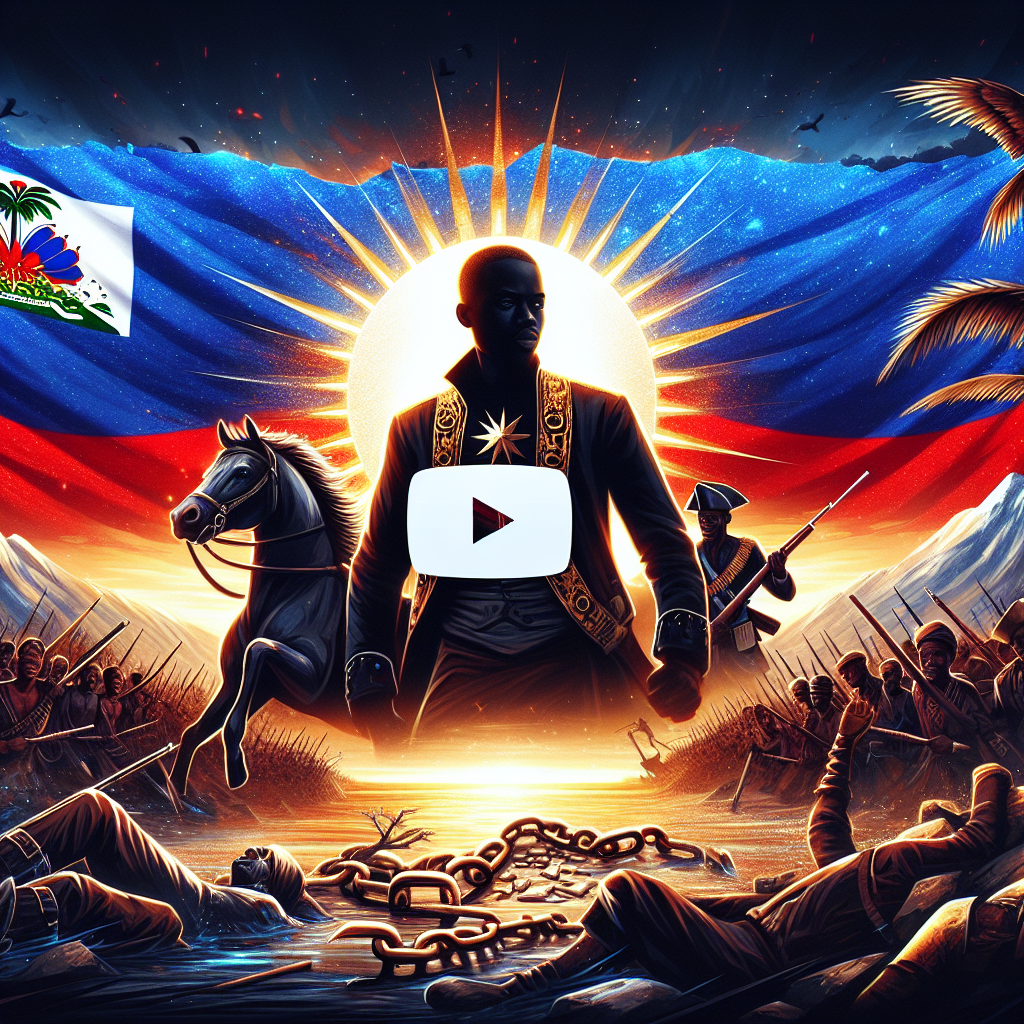
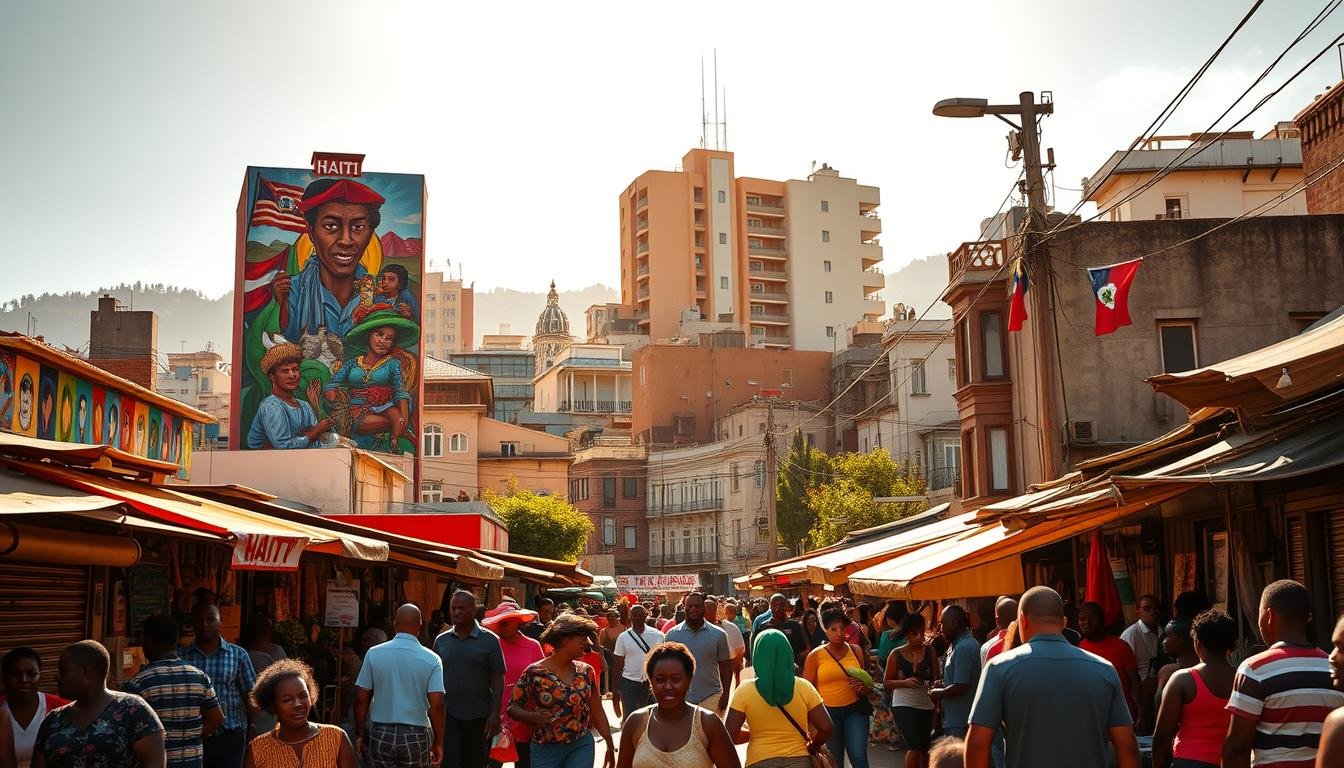
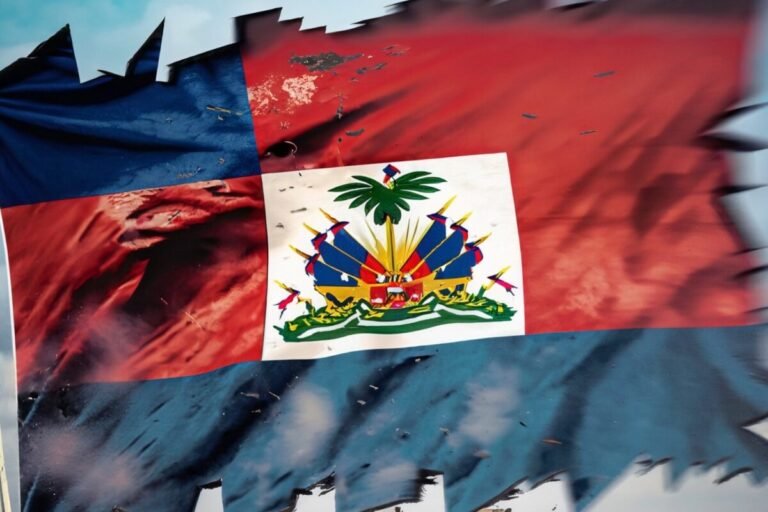
Explore the rich Haitian identity and the boundless nature of citizenship in our latest article, "Haitian Identity Runs in Our Veins: Citizenship Beyond Borders."
The concept of Haitian identity is complex and multifaceted, extending far beyond geographical boundaries. For many, being Haitian is not just about nationality; it’s a sense of belonging to a rich cultural heritage that spans generations and transcends borders.
The diaspora community plays a significant role in shaping this identity, as individuals and families navigate their connections to Haiti while living in other parts of the world, particularly in the United States.
This dynamic interplay between citizenship and cultural identity raises important questions about what it means to be Haitian in a globalized world.
The roots of Haitian identity are firmly planted in the soil of revolution and independence, a legacy that continues to influence contemporary Haitian society. To understand the depth of Haitian identity, it’s essential to explore its historical context.
Haiti’s history is marked by its status as the first black republic in the world. This distinction is not merely a matter of chronological precedence but is deeply intertwined with the country’s identity.
The Haitian Revolution, which began in 1791 and concluded in 1804, was a pivotal event in Haitian history. It was a successful slave revolt that led to the establishment of Haiti as an independent nation. This revolution was not only significant for Haiti but also had far-reaching implications for the world, challenging the institution of slavery and inspiring movements for independence and equality.
Haiti’s declaration of independence in 1804 was a bold statement against colonialism and slavery. It marked Haiti as a beacon of freedom in a world dominated by slave-holding powers. The global significance of Haiti’s independence lies in its challenge to the status quo, inspiring other movements for freedom and self-determination.
The figures who led the Haitian Revolution played a crucial role in shaping the country’s identity. Their leadership, vision, and sacrifices are remembered and celebrated to this day.
Toussaint Louverture, one of the key leaders of the Haitian Revolution, had a vision for a unified and prosperous Haiti. His strategic brilliance and commitment to the cause of freedom were instrumental in the initial successes of the revolution. Though his life was cut short, his legacy continues to influence Haitian identity and politics.
Jean-Jacques Dessalines, another pivotal figure, was the founder of Haiti and led the revolution to its ultimate victory, declaring Haiti’s independence. His role in nation-building and his commitment to the sovereignty of Haiti have made him a national hero. The impact of his leadership on Haitian identity is profound, symbolizing resistance against oppression and the struggle for self-determination.
Haitian culture is a resilient tapestry woven from the threads of language, spirituality, and artistic expression. This rich heritage is supported by several cultural pillars that have been preserved and passed down through generations.
The Haitian Creole language is a fundamental aspect of Haitian identity. It is a creole language based on French, with influences from African languages, and has evolved as a distinct means of communication among Haitians.
Haitian Creole emerged as a simplified form of communication between enslaved Africans and French colonizers. It has since developed into a complex language with its grammar and syntax.
Efforts to preserve Haitian Creole include its recognition as an official language in Haiti, alongside French. Educational programs and cultural events also promote its use and appreciation.
Haitian religious traditions are characterized by a blend of Vodou and Catholicism. This syncretism reflects the historical context of Haiti and the resilience of its people.
Vodou practices incorporate elements of Catholicism, creating a unique spiritual identity. This blend is evident in rituals and ceremonies that honour both Vodou spirits and Catholic saints.
Vodou has often been misunderstood and stigmatized. However, there is a growing movement to reclaim and appreciate Vodou as an integral part of Haitian cultural heritage.
Haitian artistic expression is vibrant and diverse, encompassing music, dance, and visual arts. These art forms are not only aesthetically pleasing but also convey cultural narratives and historical experiences.
| Art Form | Description | Cultural Significance |
|---|---|---|
| Music | Includes genres like Kompa and Zouk | Reflects Haitian history and contemporary life |
| Dance | Characterized by energetic movements | Integral to cultural celebrations and rituals |
| Visual Arts | Features vibrant colors and symbolic themes | Depicts Haitian mythology and daily life |
The Haitian diaspora has spread across the globe, forming vibrant communities that preserve their cultural heritage. This dispersion is a result of various historical migration waves that have shaped the identity of Haitians living abroad.
The history of Haitian migration is complex, driven by political turmoil, economic hardship, and natural disasters. Understanding these migration patterns is crucial to grasping the dynamics of the Haitian diaspora.
During the Duvalier regime, many Haitians were forced into exile due to political persecution. This period saw a significant wave of migration, primarily to countries like the United States, Canada, and France.
Political exile played a crucial role in shaping the Haitian diaspora, as it led to the establishment of tight-knit communities that maintained strong ties to their homeland.
Economic factors and natural disasters have also driven Haitian migration. Events like the 2010 earthquake exacerbated existing economic challenges, prompting many to seek better opportunities abroad.
The resilience of Haitians in the face of adversity is a testament to their determination to build better lives for themselves and their families.
North America is home to some of the largest and most vibrant Haitian diaspora communities. Cities like Miami, New York, Boston, and Montreal have become hubs for Haitian culture and identity.
Little Haiti in Miami is one of the most prominent Haitian enclaves outside of Haiti. It serves as a cultural and economic center for the Haitian community, hosting various events and businesses that celebrate Haitian heritage.
The community in Miami is known for its vibrant cultural expressions, from music and art to cuisine and festivals.
New York and Boston are also home to significant Haitian populations. These communities have established their own cultural institutions, churches, and social organizations that support Haitian identity.
In these cities, Haitians have found ways to balance their cultural heritage with their new lives in the United States.
Montreal, Canada, hosts a thriving Haitian community that has integrated into the city’s multicultural fabric. The community is known for its contributions to the local economy and cultural scene.
Haitians in Montreal have maintained strong connections to their roots while embracing their new Canadian identity.
Haitian identity is not confined by geographical boundaries; it transcends borders, reflecting a deep connection to heritage and culture. This complex identity is shaped by both the historical context of Haiti and the contemporary experiences of the Haitian diaspora.
The concept of Haitian identity is deeply rooted in the idea of “Lakay” or home, which represents more than just a physical location; it embodies a sense of belonging and emotional citizenship.
“Lakay” is a Creole term that signifies home or a place of belonging. For Haitians, “Lakay” is not just Haiti; it can be any place where they feel a deep emotional connection.
Emotional citizenship is about feeling a deep sense of belonging to a community or culture, regardless of legal status. For Haitians abroad, this means maintaining strong ties to their heritage.
In today’s globalized world, transnational identities are becoming increasingly common. Haitians, like many other diaspora communities, navigate multiple cultural identities.
Many Haitians hold dual citizenship, legally belonging to two countries. This status reflects the complex realities of living between cultures.
Cultural citizenship is about the everyday practices that connect individuals to their cultural heritage, beyond legal definitions of citizenship.
As Haitians settle in foreign lands, preserving their cultural heritage becomes a vital aspect of their identity. This preservation is crucial for maintaining community cohesion and passing down traditions to future generations.
Language is a fundamental aspect of Haitian culture. Efforts to preserve Creole among second-generation Haitians include:
Bilingual education programs that incorporate Creole into school curricula help children maintain their linguistic heritage.
Families play a crucial role by adopting policies that encourage the use of Creole at home.
Cultural celebrations and community events are vital for preserving Haitian heritage. These events foster a sense of community and cultural pride.
Haitian 18 of May Flag Day is celebrated with parades, cultural performances, and traditional foods.
Haitian cuisine, such as griot and rice, is a significant aspect of cultural preservation.
| Cultural Event | Description | Significance |
|---|---|---|
| Haitian Flag Day | Celebrated with parades and cultural performances | Promotes national pride |
| Arts Festivals | Showcases Haitian music, dance, and visual arts | Preserves artistic heritage |
| Traditional Cuisine | Preparation and sharing of traditional dishes | Maintains culinary traditions |
Haitian-Americans embody a dual consciousness, living at the intersection of two rich cultural heritages. This unique position allows them to navigate between different cultural contexts, often blending traditions and practices from both their Haitian roots and American surroundings.
The experience of having multiple cultural identities can be both enriching and challenging. Haitian-Americans often find themselves negotiating between different cultural expectations and norms.
The term “Haitian-American” itself represents a hyphenated identity, signifying a blend of two cultures. This identity influences self-perception, as individuals navigate between the cultural practices and values of their Haitian heritage and the societal norms of America.
Identity formation can vary significantly across generations. First-generation Haitian-Americans may strongly identify with their Haitian roots, while subsequent generations may experience a more complex negotiation between their Haitian heritage and American upbringing.
Code-switching, or the practice of alternating between different languages or cultural norms depending on the context, is a common experience among Haitian-Americans. This ability to adapt culturally is a valuable skill in navigating diverse social environments.
Linguistically, Haitian-Americans may navigate between Haitian Creole, French, and English, depending on their context. This linguistic flexibility is a key aspect of their cultural adaptation.
Cultural competence involves understanding and navigating different cultural norms and expectations. Haitian-Americans develop this competence through their experiences in various social, familial, and professional contexts.
Political engagement among Haitians extends far beyond the borders of Haiti, influencing both local and international policies. The diaspora community plays a vital role in shaping the political landscape of their homeland through various means.
The Haitian diaspora has a significant impact on the political processes in Haiti. Their influence is evident in several areas:
The struggle for voting rights has been a longstanding issue for the Haitian diaspora. Advocacy efforts have led to significant advancements, allowing diaspora communities to have a voice in Haitian elections.
Diaspora leaders have not only participated in Haitian politics but have also held key positions, influencing policy decisions and contributing to the country’s development.
Beyond their impact on Haitian politics, the diaspora is also actively engaged in advocacy and activism within their host countries, focusing on issues such as:
The Haitian diaspora has been at the forefront of advocating for fair and just immigration policies, working to ensure that the rights of immigrants are protected and that they are treated with dignity.
In times of crisis, the diaspora has mobilized to provide humanitarian aid, leveraging their resources and networks to support relief efforts in Haiti and beyond.
The political engagement of the Haitian diaspora across borders underscores their commitment to both their homeland and their host countries. Through their efforts, they are shaping political landscapes and contributing to the development of their communities.
Diaspora communities contribute significantly to Haiti’s economic stability through various financial channels, including remittances. These economic ties are vital for the well-being of families in Haiti and play a crucial role in the country’s broader economic landscape.
The flow of remittances from the Haitian diaspora to their families back home is a lifeline for many households. These financial transfers help cover basic needs, from food and healthcare to education.
Remittances sent by Haitians living abroad constitute a significant portion of Haiti’s GDP, highlighting the diaspora’s critical role in supporting the national economy. According to recent data, remittances account for approximately 30% of Haiti’s GDP, making them a vital component of the country’s financial stability.
The obligation to support family members back in Haiti is a strong cultural and familial bond. This responsibility not only reflects personal commitment but also contributes to the economic resilience of households.
Beyond remittances, the Haitian diaspora is also involved in entrepreneurship and business investments that foster economic growth. These investments range from small-scale ventures to larger business initiatives.
Diaspora investment in Haiti is on the rise, with many individuals investing in sectors such as real estate, agriculture, and manufacturing. This investment not only creates jobs but also stimulates local economies.
Transnational business ventures between Haiti and countries with significant Haitian diaspora communities are becoming more common. These ventures facilitate the exchange of goods, services, and ideas across borders.
The economic ties between Haiti and its diaspora are complex and multifaceted, involving both personal financial support and broader investment initiatives. Understanding these dynamics is crucial for appreciating the full scope of Haiti’s economic relationships.
Digital connections have become the backbone of transnational identity for Haitians, fostering a sense of community beyond borders. Technology has enabled Haitians to maintain strong cultural ties with their homeland while integrating into their host countries.
Social media platforms have emerged as crucial tools for Haitians to connect with their heritage. They provide a space for sharing cultural content, participating in community discussions, and supporting one another across geographical distances.
Virtual communities on platforms like Facebook and WhatsApp have become essential for Haitians to network, share information, and offer support. These online networks help individuals navigate challenges related to immigration, cultural adaptation, and personal struggles.
Haitians are actively creating and sharing cultural content, including music, art, and literature, through digital platforms. This not only preserves their cultural heritage but also promotes it globally, fostering a sense of pride and identity among community members.
Digital platforms are also being utilized for cultural education, providing resources for learning about Haitian history, language, and traditions.
Language learning apps have made it easier for younger generations to learn Creole and other aspects of Haitian culture. These tools are vital for preserving cultural heritage in diaspora communities.
Online archives and historical resources are being developed to document and share Haitian history and cultural heritage. These resources serve as valuable educational tools and help to promote a deeper understanding of Haitian identity.

The journey of Haitian transnational citizens is marked by resilience in the face of legal, social, and economic challenges. Despite their strong cultural identity, they encounter numerous obstacles that affect their daily lives and sense of belonging.
One of the significant challenges faced by Haitian transnationals is navigating complex legal and immigration systems. Temporary Protected Status (TPS) uncertainties have left many in limbo, unsure of their future in their host countries.
The TPS designation for Haiti has been a lifeline for many, allowing them to live and work in countries like the United States without fear of deportation. However, the uncertainty surrounding its renewal creates anxiety and instability.
Visa restrictions often lead to family separation, causing emotional distress and economic hardship. Stricter visa policies can limit the ability of Haitian transnationals to maintain close ties with their families back home.
Beyond legal barriers, Haitian transnationals also face discrimination and integration challenges. These can manifest in various aspects of life, from the workplace to educational institutions.
Negative media representation and stereotypes about Haitians can exacerbate feelings of isolation and marginalization. Positive representation is crucial for fostering a more inclusive society.
Haitian transnationals often encounter challenges in the workplace and educational settings, including bias and limited opportunities. Addressing these issues is vital for their successful integration.
The evolving nature of Haitian identity reflects the complex interplay between cultural heritage and global influences. As the world becomes more interconnected, Haitian identity is being reshaped by the experiences of the diaspora and the creativity of its youth.
The concept of belonging is undergoing a significant transformation within the Haitian community. Third Culture Kids are at the forefront of this change, blending their Haitian roots with the cultures of their host countries to create new identity formations.
Third Culture Kids are individuals who have spent their formative years in cultures other than their parents’. They embody a unique blend of cultures, creating new ways of being Haitian.
Transnational citizenship models are emerging as a vital aspect of Haitian identity, allowing individuals to maintain strong ties to their homeland while integrating into their host countries.
Young Haitians are driving a cultural reclamation movement, seeking to reconnect with their heritage through language, art, and tradition.
Cultural reclamation involves a renewed interest in Haitian Creole, Vodou, and traditional arts, ensuring the continuation of Haitian cultural practices.
There is a growing trend of cross-cultural collaborations, with Haitian artists and entrepreneurs working with international partners to create innovative products and art.
The future of Haitian identity is bright, with youth perspectives leading the way towards a more inclusive and dynamic understanding of what it means to be Haitian.
The concept of Haitian citizenship is not confined to the geographical boundaries of Haiti. It is a transnational identity that encompasses the cultural heritage and diaspora communities worldwide. Throughout this article, we have explored the historical, cultural, and social dimensions that shape Haitian identity beyond borders.
The diaspora plays a vital role in preserving and promoting Haitian cultural heritage, from language and religious traditions to artistic expressions. As Haitian communities navigate multiple cultural identities, they contribute to the richness and diversity of their host countries while maintaining strong ties to their homeland.
The future of Haitian identity lies in its ability to adapt and evolve while remaining true to its roots. As the diaspora continues to grow and engage with their heritage, they will shape the course of Haitian citizenship, fostering a sense of belonging that transcends geographical boundaries. By embracing this transnational identity, we can appreciate the boundless nature of Haitian citizenship and its significance in an increasingly globalized world.
Haitian identity encompasses the cultural, historical, and social aspects that define being Haitian, extending beyond Haiti’s geographical boundaries to include the diaspora community worldwide.
The Haitian Revolution of 1791-1804 was pivotal in shaping Haitian identity, establishing Haiti as the first black republic and influencing the global perception of Haitian people and their cultural heritage. Important to mention that Haitians are citizens by blood, not by paper.
Haitian Creole is a vital component of Haitian culture, serving as a primary means of expression and a symbol of national identity, with efforts underway to preserve and promote its use.
Haitian diaspora communities preserve their heritage through cultural celebrations, language preservation initiatives, and community events that maintain their connection to Haitian culture.
Vodou is an integral part of Haitian religious heritage, representing a syncretic practice that combines elements of African, indigenous, and European spiritual traditions, playing a significant role in Haitian spiritual identity.
Haitian-Americans often navigate multiple cultural identities through code-switching, cultural adaptation, and embracing their hyphenated identity, balancing their Haitian heritage with their American experience.
Remittances from the Haitian diaspora significantly contribute to Haiti’s economy, supporting families and influencing economic development, with a substantial impact on the country’s financial stability.
Digital technology, particularly social media, enables Haitians worldwide to maintain connections with their cultural heritage, participate in virtual communities, and access cultural content, fostering a transnational identity.
Haitian transnational citizens encounter challenges such as legal barriers, immigration policy uncertainties, discrimination, and integration struggles, affecting their lives and identity.
Haitian identity is evolving through the emergence of new identity formations, cultural reclamation movements, and cross-cultural collaborations, particularly among younger generations, shaping the future of Haitian identity globally.