Physical Address
304 North Cardinal St.
Dorchester Center, MA 02124
Physical Address
304 North Cardinal St.
Dorchester Center, MA 02124

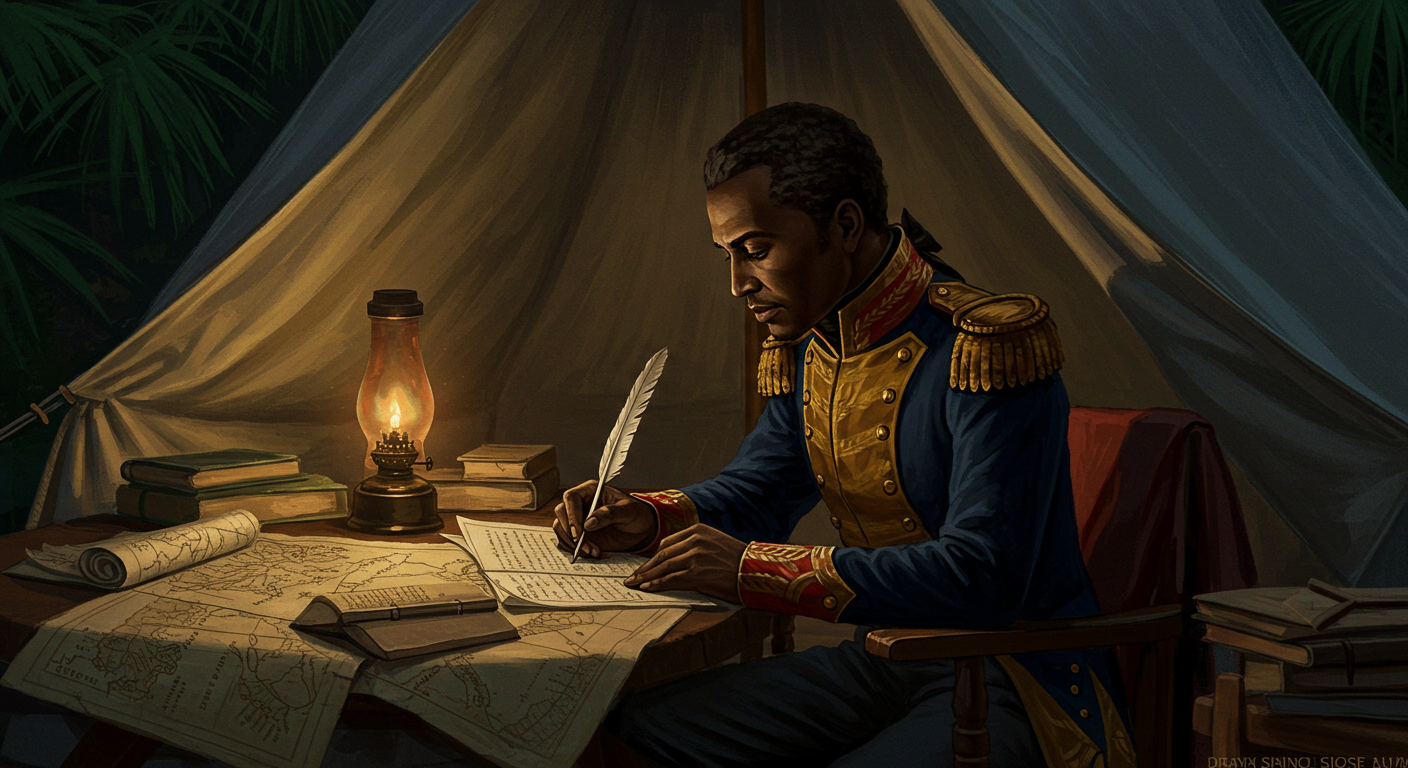
The text of the letter from Dessalines to Toussaint Louverture on July 4, 1800, represents a powerful moment in the Haitian Revolution. Below is a blog draft that reflects both the historical significance and the broader implications for modern readers:
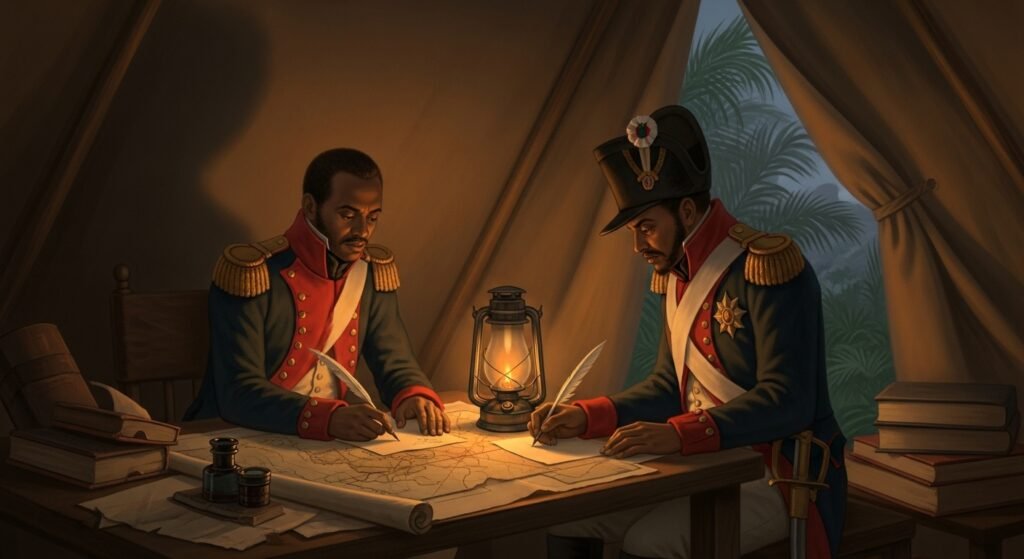
On July 4, 1800, in the midst of the Haitian struggle for liberation, Jean-Jacques Dessalines wrote an impassioned and strategic report to his superior, General Toussaint Louverture. At that time, Dessalines commanded the western army, actively engaging French forces and defending the progress of the revolutionaries. The letter showcases the military precision, leadership, and ideological focus that fueled Haiti’s victory as the world’s first independent Black republic.
As reflected in this document, the Haitian Revolution was not just a spontaneous uprising but a meticulously organized and disciplined effort by determined leaders like Dessalines. This correspondence illustrates their resolve to confront colonial power while envisioning a Haiti free from oppression—a vision that continues to resonate with modern struggles against systemic injustice.
The role of Dessalines has often been overshadowed by the larger-than-life figure of Toussaint Louverture in global historical narratives. Western historiography has frequently downplayed, misinterpreted, or outright erased the strategic, ideological, and moral complexity of leaders like Dessalines. His letter, intended as an official military report, is a vital reclamation of this truth.
In this report, Dessalines narrates his military maneuvers with great care, offering insight into key victories. Yet, for decades, colonial narratives minimized the contributions of figures like Dessalines, framing the revolution in fragmented, chaotic terms. By reclaiming these authentic voices, Haitian descendants and allies dismantle harmful stereotypes and rewrite the narratives of resistance.

Dessalines’ letter is a window into the brilliance of Haitian military strategy. Key elements from the report include:
This letter captures critical moments in revolutionary history while demonstrating Dessalines’ practical leadership style—one tethered not only to liberation but also to the discipline needed to overcome powerful colonial forces.
Dessalines’ strategic acumen and moral clarity resonate beyond the Haitian Revolution, serving as enduring paradigms for resistance movements today. The systematic erasure of Haiti’s revolutionary history mirrors ongoing attempts to silence the stories of marginalized communities globally. By revisiting and amplifying these narratives, individuals can challenge modern systems of oppression and ignite transformations in thought and action.
For the Haitian diaspora, Dessalines’ voice reminds us that unity and resolute courage are necessary for overcoming internal divisions and external adversities. His emphasis on organization, moral integrity, and unrelenting defense of freedom remains a roadmap for dismantling systemic inequalities.
To honor Dessalines’ legacy and combat historical erasure, readers must:
Awakening to the power of Dessalines’ message arms individuals with tools for both intellectual liberation and collective empowerment.
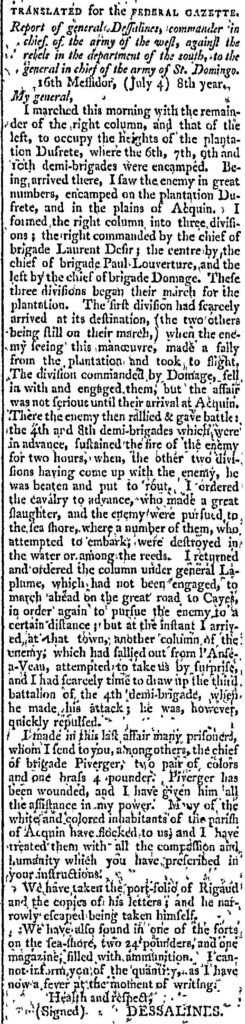
The letter from Jean-Jacques Dessalines to Toussaint Louverture is far more than a military report—it is a testament to the brilliance, humanity, and unshaken resolve of a leader committed to the total liberation of his people. By reclaiming such narratives, modern readers draw strength from historical victories, transforming their understanding of resistance and unity.
By engaging with this revolutionary history, readers can harness the enduring spirit of Haiti’s fight for freedom as an inspiring guide to achieving justice in today’s world.